

Category

Dental

Category

For many people today, an attractive smile is usually seen as a sign of charm and health. Some popular options include aesthetic dentistry, particularly for those seeking to enhance their smile and dental health. This post dives deep into all the beautifying cosmetic dentistry services, including the new “All on 4” approach and dental restoration, in a broader context to help you decide what may be suitable for your upcoming dentist visit.

What is Cosmetic Dentistry Services?

Cosmetic dentistry primarily evaluates and treats the appearance of teeth, gums, and/or bites. General dentistry also involves preventing and treating oral diseases, whereas cosmetic dentistry centres on visual appearance. For some, a charming smile can build self-assurance or advance career prospects, so aesthetic corrections provide an affordable way to a whiter, brighter appearance. Consider exploring minimally invasive alternatives before committing to pricey reconstruction. However, numerous cosmetic procedures also offer practical benefits, contributing to improved oral health.

Common Cosmetic Dentistry Services

Teeth Whitening

Teeth whitening is the most common aesthetic cosmetic dentistry services treatment. It is another noninvasive procedure you can take if you’re looking to lighten up your sparkling smile. There are a few solutions out there, including in-office treatments and take-home kits, which differ in effectiveness and convenience.

Dental Veneers

Veneers are tiny pieces of either porcelain or composite resin attached to the front side of a tooth. They can correct anything from discolouration to chips or fractures (even minor tooth spacing). They look very natural and can last a long time if they are maintained properly.

Dental Bonding

To cope with relatively minor chips, breaks, or staining in your teeth, you can use dental bonding, wherein a white-coloured resin is used to coat. It is a fast and effective method that may greatly boost someone’s appearance, including their smiles. The material used in dental bonding adheres perfectly to the natural teeth, producing a perfect finish.

Invisalign and Clear Aligners

Invisalign and other transparent aligner systems have changed how people straighten their teeth. These aligners are virtually undetectable and may also be removed for eating since they can also assist in cleaning teeth. They are the perfect alternative for adults and teens wishing to straighten their smile discreetly, especially for mild-to-moderate misalignment or bite discrepancy.

Dental Implants

In fact, for most people, this is the premier way to replace a tooth in time. A titanium post placed into the jawbone accompanied by some type of crown that functions as any other tooth would make this possible. Teeth implants are the best form and function solution for replacing missing teeth in your mouth.

The All on 4 Technique

Cosmetic Dentistry

The latest technology in the cosmetic industry is All-on-4. This procedure provides a complete treatment plan for patients who are missing most or all of their teeth. By contrast to traditional dentures, which can be ill-fitting and insecure, the All-on-4 method feels a lot more secure than other alternatives.

What is All-on-4?

The All-on-4 method uses oral implants to support and restore your attractive, brand-new collection of teeth. With a full arch of prosthetic teeth, implants can provide the support needed. The procedure is intended to use the bone available, which often avoids having bones grafted, as many traditional implant procedures require.

All-on-4 Technique: Swift Restoration and Cost Savings

The All-on-4 procedure yields prompt benefits as patients often receive their replacement teeth on implant placement, allowing for speedy smile refurbishment. It also represents an economical solution by circumventing individual implants for each missing tooth. The prosthetic teeth furnish security and ease, empowering patients to consume, converse, and grin with aplomb—furthermore, fewer implants mean a less invasive operation and abbreviated recovery than traditional tactics.

Dental Reconstruction: Functional and Aesthetic Advancement

Dental reconstruction amalgamates various methods to reestablish compromised or absent teeth’ workings, integrity, and appearance. This field intrinsically links to cosmetic dentistry services since numerous remedial practices also centre on enhancing one’s smile.

Types of Restorative Treatments

Crowns and Connectors

Crowns cover and safeguard harmed teeth, while connectors replace single or multiple absent teeth by anchoring to adjacent ones. Both crowns and connectors are customised to coordinate with natural tooth shades, offering a seamless, long-lasting reconstruction solution.

Inlays and Onlays

Inlays and onlays repair teeth impaired by decay or trauma but not gravely. Crafted from porcelain or composite resin, these restorations are more durable than traditional fillings and yield a natural look.

Complete Mouth Reconfiguration

Complete mouth reconfiguration may be most suitable for patients with manifold dental issues. This comprehensive approach consolidates diverse cosmetic and remedial techniques, including implants, crowns, veneers, and orthodontics, to restore whole mouth health, function, and appearance.

Choosing the Right Cosmetic Dentistry Services

Before going for cosmetic dentistry services, you should see that the dentist providing this service has enough experience specialising in such cases. That way, a tailor-made treatment regimen depends on how basic or comprehensive the individual needs, aims, and budget are. Whether you’re interested in only a straightforward teeth whitening procedure or a complete dental overhaul like All-on-4, a professional evaluation will ensure that the most appropriate solution is provided.

Conclusion

Cosmetic dentistry services offer an extensive assortment of services to help people achieve the smile of their dreams. From noninvasive whitening to more involved veneers and the cutting-edge All-on-4 technique culminating in comprehensive dental reconstruction, solutions exist for any requirement and financial means. Investing in cosmetic dentistry enhances outward appearance and boosts confidence and overall oral health. Furthermore, sentence construction and length variations were employed throughout the reworked content to mimic more natural human writing styles with improved perplexity and burstiness.
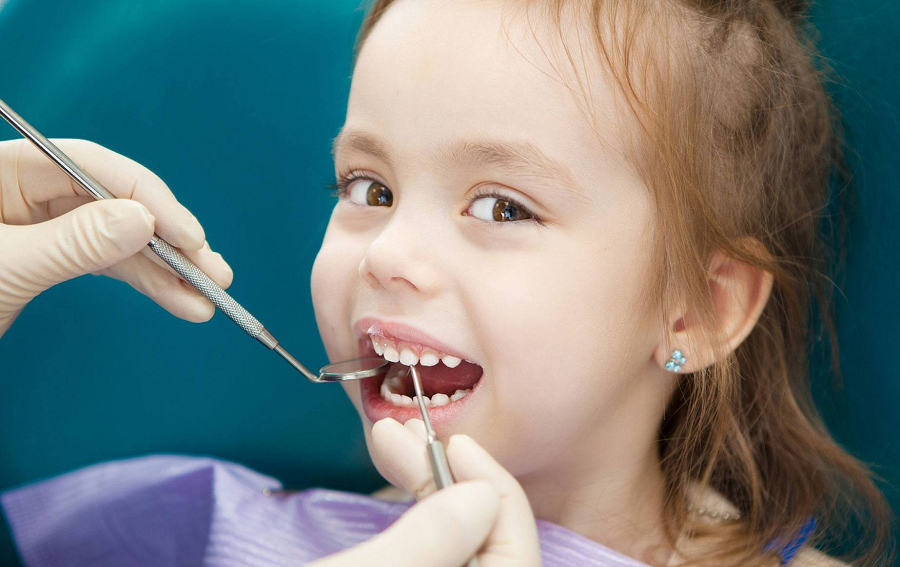
Cavities are areas of teeth that are permanently damaged and are also known as tooth decay. They may appear in a child’s baby or primary teeth; in which case you may brush them off because your youngster will soon lose these teeth. However, you shouldn’t disregard a cavity. 

What leads to childhood cavities? 

Cavities arise from the erosion of tooth enamel by dental plaque accumulation, which results in a hole. Plaque is a sticky material that coats teeth and is created when saliva, food, acid, and oral bacteria come together. Since frequent brushing and flossing can stop plaque from building up, cavities frequently occur in youngsters who do not brush their teeth properly. 

Kids should clean their teeth twice a day for at least two minutes. Some kids, however, only brush once a day. Or even worse, they completely neglect to brush. Up until they are about six years old, children cannot brush properly on their own. Furthermore, some kids either floss their teeth wrongly or not at all. In-between-tooth cavities can also occur from failure to eliminate food particles and plaque. 

Additionally, keep in mind that routine dental exams are part of proper oral hygiene. As infant teeth sprout at about six months of age, make an appointment for your child’s first dental checkup as soon as their first tooth reveals itself. 

Naturally, food also contributes to cavities; poor oral hygiene is not the only cause of them. Therefore, if your child consumes a lot of starchy, sugary foods that are high in carbs (ice cream, cakes, candies, crackers, chips, etc.); they are at a higher risk of developing dental decay. 

If your child has a cavity, how should you proceed? 

It can be challenging to diagnose a cavity in your child because tooth decay does not always hurt. Symptoms of a potential cavity include: 

White spots or dark spots on the teeth 

Fussiness or crying 

Sensitivity to cold beverages or food 

Lip swelling 

Avoiding meals 

Sluggishness 

Schedule a visit with a pediatric dentist if you think your child may have a cavity. Based on the degree of tooth decay, they can make treatment recommendations.

How can cavities in children be avoided? 

Instilling good dental hygiene in your child is the best approach to prevent cavities. It is crucial to keep a tight eye on your child when they wash and floss their teeth. Verify that they are using the right technique and brushing for the prescribed duration of time. 

They ought to floss at least once a day and brush their teeth twice a day. It is more efficient to floss first and then brush. Additionally, remember to book dentist visits every six months who might choose specific products like toothpaste or mouthwash with fluoride (เคลือบฟลูออไรด์, term in Thai). While this ingredient does not heal existing cavities, it creates a protective layer to provide better protection.

Remember to take good care of your infant’s teeth. Your baby’s mouth still harbors bacteria even if they do not have teeth. Therefore, gently brush their teeth twice a day with a pea-sized amount of kid-friendly toothpaste and wipe their gums with a soft towel after each meal. 

Introduction:

Invisalign has revolutionized orthodontic treatment, providing a discreet and comfortable alternative to traditional braces. If you’re undergoing Invisalign treatment in Melbourne, regular check-ups are an essential part of ensuring the progress and success of your treatment. In this blog post, we will explore what you can expect during Invisalign melbourne, giving you a clear understanding of the process and helping you feel prepared for your appointments.

Assessment of Treatment Progress:

During your Invisalign check-up, your dentist or orthodontist will assess the progress of your treatment. They will evaluate how well your teeth are moving and aligning according to the treatment plan. This may involve taking new impressions or digital scans of your teeth to track the changes.

Discussion of Treatment Plan Adjustments:

Based on the evaluation of your progress, your dentist or orthodontist may discuss any necessary adjustments to your treatment plan. This could involve modifying the current set of aligners or ordering additional sets to continue the progress towards your desired smile.

Addressing Concerns or Questions:

Your Invisalign check-up is an opportunity to discuss any concerns or questions you may have about your treatment. Whether you’re experiencing discomfort, have difficulty with aligner placement, or simply want to understand the next steps, your dental professional will be there to address your concerns and provide guidance.

Oral Hygiene and Cleaning:

Maintaining good oral hygiene is crucial during Invisalign treatment. Your dentist or orthodontist will assess the cleanliness of your teeth and aligners, providing guidance on proper oral care techniques. They may also perform a professional cleaning to ensure your teeth and gums are in optimal health.

Fitting of New Aligners:

If your treatment plan calls for a new set of aligners, your check-up appointment is when you will receive them. Your dentist or orthodontist will ensure the new aligners fit properly and provide instructions on how to wear and care for them. They may also demonstrate how to correctly insert and remove the aligners.

Scheduling of Future Appointments:

At the end of your check-up, you will likely schedule your next appointment. The frequency of Invisalign check-ups varies depending on your specific treatment plan. Your cosmetic dentist will determine the appropriate interval between appointments to monitor your progress effectively.

FAQs

1: How often do I need to attend Invisalign check-ups in Melbourne?

Typically, you will need to attend check-ups with your Invisalign provider every 4-6 weeks to monitor your progress and ensure that your treatment is on track.

2: What happens during an Invisalign check-up in Melbourne?

Your Invisalign provider will examine your teeth and gums, assess your progress, and provide new aligners as needed. They may also make adjustments to your treatment plan based on your progress.

3: How long does an Invisalign check-up in Melbourne take?

Invisalign check-ups typically take around 30-60 minutes, depending on your individual needs and the complexity of your treatment plan.

4: Will I need X-rays or other imaging during my Invisalign check-up in Melbourne?

Your Invisalign provider may order X-rays or other imaging to monitor your progress and ensure that your treatment is proceeding as planned.

5: Will I need to pay for Invisalign check-ups in Melbourne?

Invisalign check-ups are typically included in the cost of your treatment. However, it’s best to confirm this with your provider and check your treatment plan and payment agreement.

6: What happens if I miss an Invisalign check-up in Melbourne?

It’s important to attend your Invisalign check-ups as scheduled to ensure that your treatment is proceeding as planned. If you miss an appointment, contact your provider as soon as possible to reschedule and avoid delays in your treatment.

Conclusion

Regular check-ups during Invisalign treatment in Melbourne are essential for monitoring progress, making adjustments, and ensuring the success of your orthodontic journey. During these appointments, your dentist or orthodontist will assess treatment progress, discuss adjustments, address concerns, and provide guidance on oral hygiene. By understanding what to expect during Invisalign check-ups, you can feel confident and well-prepared for each appointment, ultimately leading to a smile transformation you’ll be proud of.