

Category

Dental

Category

Early orthodontic evaluation is crucial in identifying and addressing orthodontic issues in children, optimizing treatment outcomes, and preventing future complications. This article explores the significance of early orthodontic assessments, outlining the benefits and considerations involved in proactive orthodontic care for children.


  1. Early Detection of Orthodontic Issues:

Early orthodontic evaluations allow for the timely detection of orthodontic issues such as crowding, crossbites, and jaw growth anomalies. Identifying these issues early enables orthodontists to intervene proactively, guiding dental development and mitigating the progression of orthodontic problems.


  1. Optimal Timing for Intervention:

Early assessments facilitate the determination of optimal timing for orthodontic intervention, maximizing treatment efficacy and minimizing treatment duration. Timely interventions can leverage the child’s growth and developmental potential, achieving more stable and harmonious results.


  1. Preventive Orthodontic Care:

Early orthodontic evaluations emphasize preventive care, focusing on addressing predisposing factors and mitigating the risk of future orthodontic issues. Preventive measures such as space maintainers and habit appliances can avert the development of more complex orthodontic problems, reducing the need for extensive treatment later.


  1. Psychosocial Benefits:

Early orthodontic care can have significant psychosocial benefits for children, enhancing self-esteem and social well-being. Addressing aesthetic concerns and functional impairments early can alleviate social anxiety and improve self-confidence, fostering a positive self-image and emotional development.


  1. Cost-Efficiency:

Proactive orthodontic care can be more cost-efficient in the long run, preventing the development of severe orthodontic issues that necessitate more invasive and expensive treatments. Early interventions can optimize resource utilization, reducing overall treatment costs and financial burdens on families.


  1. Enhanced Oral Health:

Early orthodontic evaluations contribute to improved oral health by addressing malocclusions and dental irregularities that can impede oral hygiene and predispose to dental issues. Optimizing dental alignment and occlusion facilitates effective oral hygiene practices, reducing the risk of dental decay and periodontal disease.


  1. Parental Education and Guidance:

Early orthodontic assessments provide an opportunity for parental education and guidance on orthodontic care and oral health practices. Orthodontists can offer valuable insights and recommendations on dental care, dietary habits, and oral hygiene, empowering parents to support their children’s dental development and well-being.


Conclusion:

Early orthodontic evaluation is a pivotal aspect of pediatric dental care, offering multifaceted benefits ranging from early detection and optimal intervention timing to enhanced oral health and psychosocial well-being. The proactive approach inherent in early orthodontic assessments emphasizes prevention and timely intervention, optimizing treatment outcomes and fostering long-term dental health. By prioritizing early orthodontic evaluations, parents can ensure that their children receive the best possible start on the journey to a lifetime of beautiful, healthy smiles.



Dental implant procedures can be immensely beneficial for patients who need to replace missing teeth. However, many individuals may feel anxious or fearful about the process. Patients seeking dental implants may wonder if sedation or anesthesia may help alleviate their concerns. Thankfully, professional implant dentists understand these concerns and strive to make the experience as comfortable as possible. By offering dental implants anesthesia, many patients can overcome their fear and achieve the smile they desire.

Overcoming Dental Anxiety

One major advantage of utilizing dental implant anesthesia is the reduction of anxiety and fear during the procedure. Many people find visiting the dentist stressful, so it’s no surprise that dental implant surgery may seem daunting. Thankfully, the use of dental implant anesthesia enables these patients to relax, making the experience a smoother, more positive one.

Ensuring Patient Comfort

In addition to reducing anxiety, dental implant anesthesia in Phoenix also helps to make the procedure as comfortable as possible. Sedation methods like oral sedatives and nitrous oxide (laughing gas) serve to calm the patient but don’t completely block pain. For more extensive procedures like dental implant placement, stronger forms of anesthesia, such as local or general anesthesia, may be necessary to ensure the patient is completely at ease throughout the process.

Safer and More Efficient Procedures

The use of dental implant anesthesia also benefits both the patient and the dentist by allowing for a safer and more efficient procedure. Patients who are sedated tend to have fewer involuntary movements or sudden reflexes, making it easier for the dentist to accurately place the implant. In addition, sedation or anesthesia may expedite the dental implant process, reducing the time spent at the dental office and potentially speeding up recovery time.

Finding the Right Anesthesia Option

When it comes to dental implant anesthesia, there are several options available to cater to individual patients’ needs. A consultation with a professional implant dentist in Phoenix will help determine which form of anesthesia is best suited for the specific procedure and personal comfort levels. Ultimately, the right choice will make the dental implant process more pleasant for everyone involved.

In Conclusion

Dental implant anesthesia provides numerous benefits to patients seeking dental implant procedures. Not only does it help reduce anxiety and improve patient comfort, but it also allows for safer, more efficient, and smoother procedures. Understanding the various types of anesthesia available is essential to making an informed decision about the best option for your needs. Consult with a skilled implant dentist to discuss your anesthesia options and ensure your dental implant journey is a comfortable and successful one. Don’t let fear or anxiety hold you back from achieving the perfect smile!

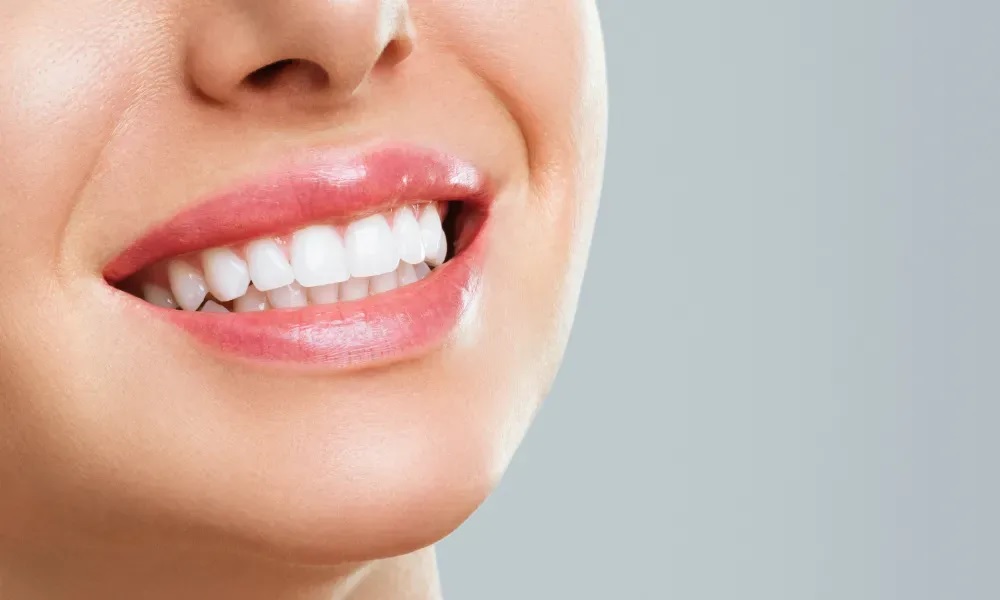
You would know that a dazzling white smile can leave a lasting impression. Teeth whitening gained a lot of popularity these days, and it would help you achieve a white smile when you go for it. In this guide, you can learn everything about teeth whitening ( ฟอกสีฟัน, which is the term in Thai) and how it can help you achieve A illuminating smile.

Before you learn about teeth whitening methods, you need to understand what causes the discoloration of your teeth. Some external factors like food, beverages, or tobacco use and poor oral hygiene can contribute to stains on your teeth.

Different Teeth Whitening Methods

Professional In-Office Whitening

The method includes visiting your dentist, who can apply a best-concentrated bleaching agent to your teeth. The experts have a specialized tool, light or laser, that would be used to improve the whitening effects. The expert also offers immediate and dramatic impact so you can be stressed and stress-free.

At-Home Whitening Kits

The at-home whitening kits will provide convenience and affordability, and the kids include custom-fitted trays or a bleaching gel used for a designated term. You need to follow your dentist’s instructions and consult your dentist for some recommendations.

Consider Using Whitening Toothpaste.

Whitening toothpaste contains some mild abrasives or chemical agents which will help remove the surface stains, but they might have a limited effect on your deep or stubborn discoloration. It is always good to choose a toothpaste after consulting your dentist, as they can understand your teeth and then recommend the same.

Whitening Strips

Whitening strips are also flexible strips that are coated with a bleaching gel, and they are applied to your teeth directly and left for a specific term. While they can produce excellent results, achieving the desired whiteness might take a long time compared to professional methods.

Some practices and precautions you should take sensitivity

Teeth whitening would cause temporary tooth sensitivity, and if you have sensitive teeth or gums, your doctor can recommend some appropriate measures.

Oral Health

Teeth whitening is very directive on your healthy teeth and gums as it ensures that you maintain good oral hygiene and address any underlying dental issues.

Above all, achieving a bright smile is within reach with plenty of teeth whitening options. You can undoubtedly embark on the teeth whitening journey by understanding the different methods, considering your circumstances, and seeking professional guidance.