

Category

Healthy Lifestyle

Category

Two people can share care yet still feel distant over time. Small issues grow when talk becomes hard, or feelings stay hidden. Many couples wait too long before asking for guidance. Early awareness helps protect trust. When confusion appears, calm advice can help both partners see problems clearly. Some couples choose to Visit site pages that explain how guidance services work, helping them understand when outside help may be useful. With patience, shared effort can renew understanding between two partners.

Frequent misunderstandings

When everyday talks turn into repeated mistakes, both partners may feel unheard. Words become sharper while patience becomes weaker. This pattern often shows deeper concerns beneath simple topics. A trained guide can help both people slow down conversations, clarify feelings, and rebuild calm discussion habits.

Silence replacing conversation

Healthy couples share thoughts regularly. When silence replaces discussion, distance quietly grows between two people. Avoiding topics may feel easier temporarily, yet it hides concerns. Outside guidance encourages safe conversation spaces where both individuals speak honestly without fear.

Trust slowly fading

Trust grows through honesty and steady behavior. When doubts appear repeatedly, insecurity begins shaping the bond. Suspicion may develop even without clear reasons. Professional guidance helps couples examine worries openly while building transparency that restores confidence between both partners.

Stress affecting the partnership

Life pressure from work responsibilities, financial strain, or family duties can quietly weaken the connection between partners. Stress often reduces patience. Guidance helps couples manage tension together, encouraging teamwork instead of blame when external pressure begins influencing personal interactions.

Loss of shared goals

Couples often begin with similar hopes. Over time, personal priorities may change. Without discussion, partners move in separate directions emotionally. Guidance encourages reflection about values, plans, and shared expectations, helping both people rediscover common purpose within their partnership.

Quick awareness tips

Some simple observations help couples notice warning patterns early. Recognizing these signals encourages action before tension grows deeper within the partnership.

  • Conversations frequently end rapidly because both partners feel defensive, unheard, frustrated, and uncertain about how to speaktranquilly together.

Careful direction offers tools that aid partners know behavior patterns, progress listening, and rebuild emotional closeness. Instead of viewing outside aid as a weakness, couples can see it as a learning step toward steadiness, respect, and shared growth. Those discovering helpful resources frequently Visit site pages that clarify how organized guidance works, letting couples select support that fits their needs while strengthening understanding between partners.

Most people do not choose high intensity programs casually. The decision usually comes after frustration with slow progress or inconsistent effort. When someone begins researching a thailand bootcamp retreat, they are often looking for discipline that feels external at first.

Boot style training follows a structured system. Sessions are guided. Timings are fixed. Group energy plays a strong role. Unlike casual gym visits, there is very little room to skip effort.

A typical day might include:

  • Early morning conditioning
  • Strength focused circuits
  • Skill based drills
  • Core and endurance sessions
  • Mobility or recovery work

The intensity can feel demanding in the first few days.

Difference between regular gym plans

Traditional gym routines rely heavily on self motivation. You choose your time. You decide when to push harder. You leave when you feel finished.

Boot style programs remove that flexibility. The structure is built for you.

Key differences often include:

  • Fixed daily schedule
  • Professional supervision during all sessions
  • Group accountability
  • Balanced training and recovery rotation
  • Nutritional guidance integrated into the program

This format reduces decision fatigue. Instead of wondering what workout to follow, participants simply show up and follow instruction.

And sometimes that simplicity makes consistency easier.

Physical and mental challenges

These programs challenge more than muscles. Waking early, training with others, and maintaining intensity requires mental focus.

Common challenges include:

  • Muscle soreness during the first week
  • Adjusting to group pace
  • Maintaining energy across multiple sessions

Not everyone finds it easy. There is something about finishing a demanding session that shifts self perception. Even small completions matter.

Accommodation and recovery time

Accommodation plays an important role in performance. Quality rest supports physical adaptation. Comfortable sleeping arrangements, quiet environments, and access to recovery areas all contribute to overall experience.

Recovery components usually include:

  • Stretching sessions
  • Mobility focused training
  • Rest periods between intense workouts

Without recovery, intensity loses effectiveness. Programs that rotate hard and moderate days allow the body to adapt instead of breaking down.

And sometimes the rest days feel just as important as the hardest sessions.

Who should consider joining

Boot style programs suit individuals who respond well to structure and group accountability. They may not be ideal for someone seeking very light activity.

This type of retreat can benefit:

  • Individuals wanting fast lifestyle reset
  • Those struggling with motivation alone
  • People comfortable with guided intensity
  • Participants open to group training dynamics

It is not about competition, though group energy can feel motivating. It is about consistency inside a structured environment.

Common preparation questions

Do you need prior training experience?

Basic fitness helps, but many programs adjust difficulty based on ability.
How long should someone stay?

One to two weeks is common, though longer stays deepen results.
Is the environment competitive?

Most programs focus on personal progress rather than comparison.
What happens after leaving?

Continuing learned habits at home determines long term change.

Searching for a thailand bootcamp retreat often signals readiness for structured change rather than casual exercise.

The environment provides accountability. The schedule reduces excuses. The group energy reinforces effort. You wake early even when you do not feel like it. You train even when muscles complain. Then gradually, resistance becomes routine. And routine reshapes direction.

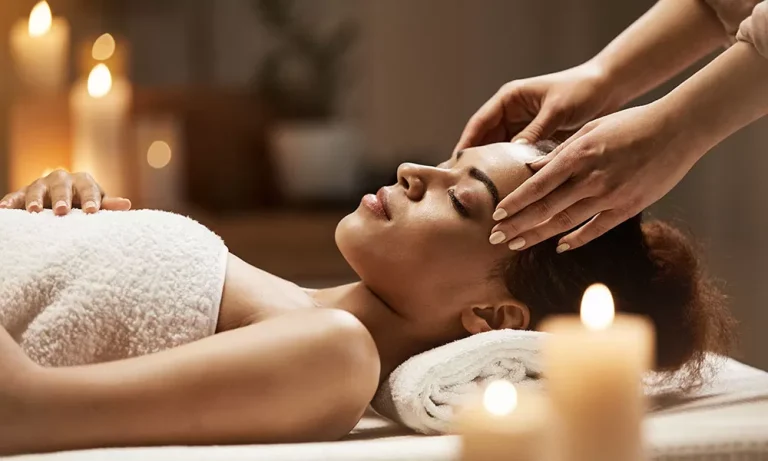
Shared reduction sessions provide partners anexpressive method to rejoin while enabling body strain through guided touch. Numerous pairs consider couples massage therapy a helpful option that promotes circulation,decreases tension, andadvances mood through coordinated techniques. Interest continues rising because structured touch supports wellness goals while nurturing emotional harmony within relationships seeking practical renewal together.

Why choose shared sessions today?

Partners frequently seek joint relaxation because synchronized techniques calm nerves, support circulation, andimprovesuppleness. Coordinated movements from trained practitioners guide muscles toward release while a steady rhythm encourages mental ease. This combined setting builds trust, strengthens connection, and nurtures communication through nonverbal signals, which reinforce relationship stability over time.

How does synchronized touch help?

Mirrored motions applied to two individuals at once stimulate sensory receptors, promote hormone balance, and support tranquil awareness. The brain interprets matched pressure as reassurance, which reduces alert signals linked with strain. Gradual sequences maintain a consistent tempo so both participants reach similar relaxation depth during the same timeframe.

Which features define quality sessions?

High-standard environments maintain professionalism and safety consistency, which ensures effective results for participants seeking reliable care.

  • Certified practitioners apply balanced pressure techniques, ensuring muscle relief while maintaining proper alignment throughout sessions
  • Clean surroundings promote hygiene standards supporting relaxation, confidence, trust, and satisfaction during each scheduled appointment period

Is preparation required before sessions?

Simple preparation improves outcomes because hydrated muscles respond better to manipulation. Light movement beforehand loosens joints and prepares circulation readiness. Evading heavy intake prior lets the body to focus on therapeutic response rather than digestion, which supports steadier relaxation throughout the period.

How often attend paired sessions?

Frequency depends on lifestyle strain, activity level, and personal goals. Many pairs choose weekly visits for maintenance, while others prefer regular schedules for general well-being. Reliable attendance trains muscles to release tension faster, which slowlyadvances flexibility, resilience, and endurance.

What results appear afterward, usually?

Post-session effects vary, yet many notice measurable physical and mental improvements within hours.

  • Looser muscles allow freer movement, reducing stiffness, enhancing posture stability, and supporting daily task performance efficiency
  • Calmer nerves encourage better rest, improving alertness, motivation, and productivity throughout the following routine activities in the next cycle

Who should avoid joint sessions?

Certain people with acute injuries, severe inflammation, or transmissible conditions should delay participation until recovery happens. Specialized guidance helps determine readiness because safety remains a priority. Waiting prevents aggravation, protects tissues, and ensures future sessions deliver full benefit without risk.

Selecting coordinated treatment can transform partnership comfort by blending therapeutic motion with attentive occurrence. This practice strengthens trust, deepens affection, and enhances resilience against daily pressure. Specialists tailor pressure rhythm duration so participants gain maximum value from each visit. When measuring options, consider trainer skill,atmosphere quality, and personal ease level before booking. Thoughtful selection leads to long-lasting satisfaction, improved vitality, and stronger interpersonal unity. For those exploring holistic bonding solutions, couples massage therapy stands as a reliable path toward sustained balance, shared vitality, long term.