Author

Dionne C. McCampbell

Browsing

Diabetic retinopathy is one of the leading causes of vision loss among people with diabetes. This condition occurs when high blood sugar levels damage the small blood vessels in the retina, leading to swelling, leakage, or abnormal blood vessel growth.

Without proper management, diabetic retinopathy can progress to severe vision impairment or even blindness. Fortunately, advancements in diabetic eye disease treatment have provided several effective options for managing this condition and slowing its progression.

Understanding Diabetic Retinopathy

Stages of the Disease

Diabetic retinopathy develops in stages:

  • Mild Non-Proliferative Retinopathy: Small areas of swelling in the blood vessels (microaneurysms) appear, leading to minor leakage.
  • Moderate Non-Proliferative Retinopathy: More blood vessels become blocked, reducing oxygen supply to the retina.
  • Severe Non-Proliferative Retinopathy: More significant blockage occurs, prompting the retina to create new, fragile blood vessels.
  • Proliferative Retinopathy: The most advanced stage, where abnormal blood vessels grow in the retina, leading to bleeding, scarring, and retinal detachment.

Early detection through regular eye exams is crucial in preventing severe complications.

Best Treatment Options for Diabetic Retinopathy

1. Blood Sugar and Blood Pressure Management

The foundation of treating diabetic retinopathy starts with controlling diabetes itself. Maintaining stable blood sugar levels through proper diet, exercise, and medication can slow disease progression. High blood pressure also worsens the condition, so keeping it in check with lifestyle changes or medication is essential.

2. Anti-VEGF Injections

One of the most effective treatments for diabetic macular edema (DME), a complication of diabetic retinopathy, is anti-vascular endothelial growth factor (anti-VEGF) therapy. Drugs such as ranibizumab, aflibercept, and bevacizumab are injected into the eye to reduce swelling and prevent new blood vessel growth. Many patients experience improved vision and reduced disease progression with this treatment.

3. Laser Therapy (Photocoagulation)

Laser treatment is another common approach for managing diabetic retinopathy. There are two main types:

  • Focal Laser Treatment: Targets specific leaking blood vessels to prevent fluid buildup.
  • Panretinal Photocoagulation (PRP): Treats a larger area of the retina to shrink abnormal blood vessels and prevent further damage.

Laser therapy helps slow vision loss, but it is most effective when performed in the early to middle stages of the disease.

4. Steroid Injections

Corticosteroid injections, such as dexamethasone implants, can help reduce inflammation and swelling in the retina. These treatments are often used in combination with other therapies, like anti-VEGF injections, for better results. However, steroid use may increase the risk of cataracts and glaucoma, requiring careful monitoring by an eye specialist.

5. Vitrectomy Surgery

In very advanced stages of diabetic retinopathy, where there is severe bleeding (vitreous hemorrhage) or retinal detachment, vitrectomy surgery may be necessary. This procedure involves removing the blood-filled vitreous gel and replacing it with a clear solution to restore vision. Vitrectomy may be a sight saving surgery in advanced disease.

Emerging Treatments and Future Innovations

Gene Therapy and Stem Cell Research

Research is ongoing to explore gene therapy and stem cell-based treatments for diabetic retinopathy. These approaches aim to repair damaged retinal cells and improve blood vessel function, offering potential long-term solutions for vision preservation.

Artificial Intelligence in Eye Care

AI-driven retinal screening tools are improving early detection and monitoring of diabetic retinopathy. These advancements allow for quicker diagnosis and personalized treatment plans, enhancing patient outcomes.

Choosing the Right Diabetic Eye Disease Treatment

Factors to Consider

The best treatment approach depends on several factors, including the stage of the disease, overall health, and response to initial treatments. Some patients may benefit from a combination of therapies, such as anti-VEGF injections followed by laser treatment.

Importance of Regular Eye Exams

Since diabetic retinopathy can develop without noticeable symptoms in its early stages, routine eye exams are critical. Eye specialists can detect changes in the retina before significant vision loss occurs and recommend timely interventions.

Conclusion

Diabetic retinopathy is a serious but manageable condition with the right treatment approach. From lifestyle modifications and medications to advanced therapies like anti-VEGF injections and laser treatment, there are multiple ways to slow disease progression and protect vision. Consulting an eye specialist for regular screenings and timely diabetic eye disease treatment is essential for maintaining eye health and preventing complications.


ADHD is a neurodevelopmental disorder marked by inattention, hyperactivity, and impulsivity. It often begins in childhood and can continue into adulthood, impacting daily life at home, school, and beyond.

As awareness grows, so does the demand for effective interventions. Behavioral therapy has proven to be a valuable tool, using reinforcement and structured strategies to help manage symptoms.

For children with ADHD, behavioral therapy can improve focus, self-control, and social skills, ultimately leading to better outcomes in school and daily interactions.

What Is Behavioral Therapy?

Behavioral therapy is a goal-oriented psychotherapy that focuses on changing specific behaviors through practical techniques. Unlike other therapies that explore underlying emotions, this approach targets observable behavior changes to improve functioning.

Rooted in the idea that behaviors can be learned and unlearned, it uses reinforcement, modeling, and repetition to encourage positive habits. This makes it especially effective for managing ADHD symptoms like inattention and impulsivity.

For children with ADHD, behavioral therapy involves collaboration with parents and teachers to set clear goals and apply strategies such as positive reinforcement and time-outs. The structured approach helps children build skills for better focus, self-control, and social interaction.

The Fundamentals Of Applied Behavior Analysis (ABA)

Applied Behavior Analysis (ABA) is a scientific method for understanding and changing behavior. Rooted in learning theory, ABA focuses on how behavior is influenced by the environment and uses proven techniques to bring about positive change.

ABA involves tracking behaviors, identifying triggers, and using tailored interventions to encourage desirable actions and reduce problematic ones. Its data-driven, individualized approach makes it especially useful for managing ADHD in children.

One of ABA’s greatest strengths is its flexibility. It can be applied in homes, schools, or clinics and adapted to each child’s needs. By setting clear, measurable goals, ABA offers a structured path to improved focus, self-control, and daily functioning.

The Role Of ABA In Managing ADHD Symptoms

ABA is highly effective in managing ADHD symptoms by using structured strategies to improve attention, reduce impulsivity, and manage hyperactivity. According to Level One Urgent Care, these interventions help children function better at school, at home, and in social situations. You can check out the site at https://www.leveloneurgentcare.com/ for more information.

A key focus of ABA is enhancing task completion and focus. Techniques like task analysis and chaining break tasks into small steps, making it easier for children to stay on track and succeed.

ABA also builds self-regulation skills. Methods such as self-monitoring and self-reinforcement help children take control of their behavior, promoting independence and confidence. Overall, ABA empowers kids with ADHD to thrive in daily life.

Key Techniques Used In ABA For Children With ADHD

ABA uses targeted techniques to support children with ADHD, helping them build focus, self-control, and social skills. Key strategies include:

  • Positive Reinforcement: Rewards for desired behaviors to encourage repetition.
  • Task Analysis: Breaking tasks into small steps to improve focus and confidence.
  • Modeling: Demonstrating appropriate behaviors for children to imitate.
  • Time-Out: Temporarily removing a child from reinforcement to reduce unwanted behaviors.
  • Self-Monitoring: Teaching children to track and reflect on their behaviors.

Consistent use of these methods can lead to meaningful, lasting improvements in daily functioning.

Benefits Of ABA In Child Development

ABA benefits child development beyond managing ADHD symptoms. By focusing on positive behavior change, it helps children thrive academically, socially, and in everyday life.

  • Communication Skills: ABA teaches children to express needs and emotions more clearly, improving peer and adult interactions.
  • Problem-Solving: Children learn to tackle challenges through structured, step-by-step approaches.
  • Confidence and Independence: Achieving goals builds self-esteem and a strong sense of capability.

Overall, ABA lays a strong foundation for lifelong success.

How ABA Therapy Is Implemented In Different Settings

ABA therapy is highly adaptable and can be implemented in various settings, including the home, school, and clinical environments, making it an effective approach for managing ADHD symptoms across different aspects of a child’s life. At home, therapists work closely with parents to help them apply ABA strategies consistently, reinforcing positive behaviors and addressing challenges in everyday routines. In schools, ABA techniques are integrated into the classroom to support academic and social development, often through collaboration with teachers and individualized education plans. In clinical settings, children receive focused, one-on-one support with access to specialized resources and ongoing progress monitoring. This versatility ensures that children benefit from consistent and comprehensive support in the environments where they live, learn, and grow.

Parent Involvement In ABA Therapy

Parent involvement is essential to the success of ABA therapy techniques, especially for children with ADHD. When parents actively participate in the therapy process, they help create a consistent, supportive environment that reinforces positive behaviors and encourages skill development. By working closely with ABA therapists to set personalized goals and strategies, parents ensure that interventions align with their child’s unique needs. They also receive training to apply ABA techniques at home, such as positive reinforcement, clear expectations, and behavior management, making therapy more effective and sustainable. This active involvement not only supports lasting behavior change but also strengthens the parent-child bond and enhances communication, leading to better outcomes both in therapy and everyday life.

Finding Qualified ABA Therapists

Finding a qualified ABA therapist is crucial for ensuring effective support for children with ADHD. Key factors to consider include proper certification, such as credentials from the Behavior Analyst Certification Board (BACB), relevant experience, and compatibility with the child. Experienced therapists who have worked with ADHD can better address its unique challenges, while a good personal fit helps build trust and engagement. Parents should also explore recommendations from healthcare providers, schools, or support groups to find trusted professionals in their area. An initial meeting can further help assess whether the therapist aligns well with the child’s needs and family values.

Conclusion: The Future Of ADHD And Behavioral Therapy

As our understanding of ADHD grows, so do the strategies for managing it. Behavioral therapy—especially Applied Behavior Analysis (ABA)—has proven to be a powerful approach for helping children with ADHD develop essential skills and improve daily functioning. By promoting positive behavior and focusing on individual strengths, ABA empowers children to thrive at home, in school, and beyond.

Looking ahead, continued research and innovation are expected to make behavioral interventions even more personalized and effective. With the integration of technology and data-driven methods, ABA can become more tailored to each child’s unique needs. Collaboration among parents, educators, therapists, and healthcare providers will remain key in delivering the best possible outcomes.

If you’re exploring support options or want to connect with a qualified ABA therapist, reaching out to professionals in your community is a great first step. Together, we can help children with ADHD reach their full potential.

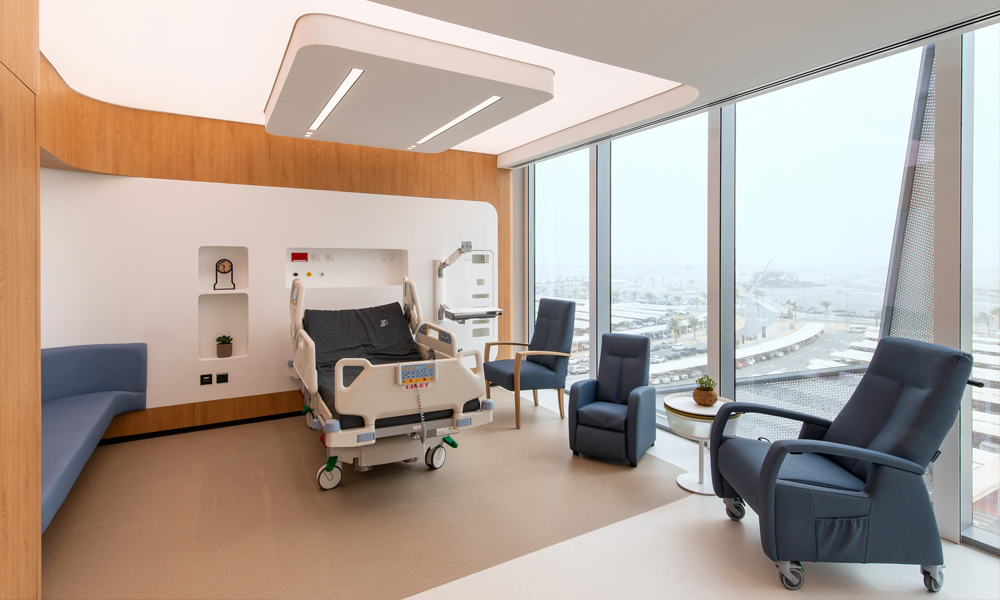
The physical environment is one of many components of patient care examined over the years in an evolving healthcare landscape. Healthcare fit-outs are increasingly crucial in building environments that fulfil functional needs and play a role in healing. This article discusses the importance of healthcare fit-outs (dental fit-outs Australia) and how they improve patient experience and translate into better health.

What is the need for healthcare fit-outs

Healthcare fit-outs are the overall process of designing, planning, and implementing medical spaces to serve specific purposes and achieve functionality, efficiency, and comfort for patients and those treating them. These fit-outs are more than just visual impressiveness; they tackle important factors like infection control, workflow efficiency, and patient comfort. Over the past few years, healthcare design experts have been aware that purposeful architectural design can significantly enhance patient recovery rates, staff productivity, and overall care delivery.

Essential Things to Keep in Mind During Healthcare Fit-Outs 

However, it is essential to consider some critical factors before initiating a healthcare fit-outs project for the patients, staff and visitors. These considerations include:

Infection Control

Infection control: One of the significant worries in healthcare settings is that preventing infections will be spread. Via: Fitouts must include antimicrobial surfaces and touchless fixtures that ensure easy cleaning and sterilisation.

Workflow Efficiency

Healthcare spaces should be designed to facilitate the movement of staff and patients, minimise waiting times, and improve efficiency. This includes (on paper) the optimal location of treatment rooms, nursing stations, and support areas.

Patient Comfort

Welcoming patients and helping them calm themselves is essential for their experiences. Thoughtful use of colour palettes, easily condensed furniture pieces, and nature touches such as plants or wall art can make this happen.

Technology Integration

Healthcare facilities utilise technology more than ever. Fit-outs must accommodate current technological requirements and allow for technological upgrades and advancements during their lifespan.

Accessibility

It is essential that all patients feel welcomed in healthcare spaces, especially those with mobility impairments. This process includes wide doorways, ramps, and related signage.

Due to the nature of the work performed in a Dental practice, dental fitouts require special consideration and must be approached differently.

More specifically, dental fit-outs Australia are a specialised niche within the broader healthcare fit-outs domain that requires its best practices and industry experience. Over the past few years, the Australian dental industry has become more complex, with significant technological advancements leading to a demand for fit-outs that meet strict regulatory criteria and can keep pace with change.

Specialised Challenges of Designing Fitouts for Dental Practices

Healthcare Fit-Outs

Fitouts are different for every business, but dental practices face unique challenges. These spaces need to be functional clinically and provide an environment that can help alleviate anxiety for the patient. Here are the considerations specific to a dental fit-out in Australia

Treatment Room Design

Dental treatment rooms must be planned with specific needs in mind since these specialised pieces also provide patient comfort. The practitioner’s criteria include ideal locations for dental chairs, illumination, and how to save tools.

Sterilisation Areas

As infection control is significant in dentistry, fit-outs should have smart sterilisation to comply with Australian standards and regulations.

Patient Flow

An ideal layout encourages the flow of patients from reception to respective treatment areas and avoids congestion to enhance operational efficiency.

Technology Integration

Today’s dental practices depend on innovative technologies, including digital imaging systems, CAD/CAM equipment, and other machines. Future upgrades must accommodate these technologies in fit-outs.

Aesthetic Considerations

Creating a calming and inviting environment is imperative, especially in dental history, where many patients are anxious. Various design elements, colour choices, and distractions, such as ceiling-mounted television sets or calming art, can help you achieve this.

The Australian Context

Australian Factors Affecting Dental Fitouts Australian factors that also need to be accounted for with dental fitouts include:

Regulatory Compliance

Australian dental practices are heavily regulated in terms of infection control, workplace health and safety, and accessibility. Fitouts, therefore, need to ensure compliance with these standards.

Climate Considerations

With Australia’s fair share of climate issues, fit-outs could tackle challenges like heat, natural light, and energy management.

Cultural Sensitivity

However, in a multicultural society, dental fit-outs should design layouts that respect cultural sensitivities and foster welcoming spaces for patients from all walks of life.

The Best Way To Approach Successful Healthcare And Dental Fitouts

For a successful healthcare fit-out or dental fit-out, our designers work alongside healthcare professionals and experts in this sector of fit-out companies. This could consist of a few main stages:

Planning and Consultation

The first part of this step is to identify your healthcare facility or dental practice’s requirements regarding workflow, patient segment, and future growth.

Design and Compliance

On the other hand, the designs begin to appear in a defined format dependent on the vision established in the first consultation, along with functional and practical specifications developed that meet regulatory requirements. This applies to dental fitouts done in Australia, specifically making sure you comply with the Australasian Health Facility Guidelines and other standards.

Material Selection

Also, the selection of materials is essential in the case of health care and dental fit-outs. The materials should be hard-wearing, wipeable, and able to withstand constant use of disinfectants. Dental materials should also resist staining by dental materials and chemicals in the office or laboratory.

Construction and Installation

Fitout in the real is a careful process to avoid interrupting any existing healthcare activity. This requires staged implementation for dental practices to perform patient care during the fitout.

Technology Integration

Fitting out for medical and dental technologies is integral to their installation and integration. It encompasses the technical infrastructure and technology such as dental chairs, X-ray machines, sterilisation units, etc.

Inspection and Finalization: This is the last stage, where final touches (signage, artwork) are added, and a quality check is performed to ensure that all fitout elements meet preparation standards and specifications.

Influence of Great Fitouts

For patients and healthcare providers, the right healthcare fit-outs can make a very positive impact. Some of the benefits include:

Improved Patient Experience

Good design can lower patient anxiety, enhance comfort, and positively affect the perception of care.

Enhanced Efficiency

Improved layout and workflow can result in lesser wait times, better staff productivity and optimal resource utilisation.

Better Infection Control

Fitouts are sometimes known to help minimise the risk of healthcare-associated infections by working with spaces that maintain infection control standards.

Increased Staff Satisfaction

Medical staff who work in quality environments tend to have higher job satisfaction and lower stress.

Future-Proofing

Flexible fit-outs can respond to emerging technologies and evolving models of care, future-proofing investment in healthcare facilities.

Why Technology Matters in Today’s Fitouts

The fit-outs are being redefined as advancements in healthcare and dentistry keep changing how individual practices design their places, with technology increasing to become a significant part of this process. Digital technologies are now taking hold within dental practices in Australia, but great care needs to be taken regarding their integration into the physical environment. This includes:

Digital Imaging Systems

Many modern dental practices may utilise 3D imaging technologies with unique spatial and infrastructure requirements.

Practice Management Software

An intelligent dental fitout includes design enhancements like interaction hubs and workstations for easy access to practice management systems.

Patient Entertainment Systems

Alternatively, many dental practices are adding entertainment amenities to distract patients during treatments, such as mounts that hold TVs on the ceiling or virtual reality headsets.

Conclusion

Whether through specialist dental fit-outs Australia or other healthcare fit-outs, the goal will always be to create environments that enable healing, efficiency, and positive patient experiences. This attention to infection control, workflow optimisation, and patient comfort can be repurposed for a future where aligned care delivery models and advances in medical technology will redefine this physical environment.

With healthcare systems evolving continuously, the need for excellent fit-outs will always remain high. By remaining at the forefront of design and technological infusion, Australian dental practices can give themselves a severe competitive edge without sacrificing patient care.

In conclusion, while the purpose of healthcare and dental fit-outs varies from practice to practice, they should be designed to deliver high-quality care and achieve positive health outcomes through better patient experiences. When planned effectively, fit-outs can play a significant role in fostering health and well-being by offering environments that promote it.