Author

Dionne C. McCampbell

Browsing

The physical environment is one of many components of patient care examined over the years in an evolving healthcare landscape. Healthcare fit-outs are increasingly crucial in building environments that fulfil functional needs and play a role in healing. This article discusses the importance of healthcare fit-outs (dental fit-outs Australia) and how they improve patient experience and translate into better health.

What is the need for healthcare fit-outs

Healthcare fit-outs are the overall process of designing, planning, and implementing medical spaces to serve specific purposes and achieve functionality, efficiency, and comfort for patients and those treating them. These fit-outs are more than just visual impressiveness; they tackle important factors like infection control, workflow efficiency, and patient comfort. Over the past few years, healthcare design experts have been aware that purposeful architectural design can significantly enhance patient recovery rates, staff productivity, and overall care delivery.

Essential Things to Keep in Mind During Healthcare Fit-Outs 

However, it is essential to consider some critical factors before initiating a healthcare fit-outs project for the patients, staff and visitors. These considerations include:

Infection Control

Infection control: One of the significant worries in healthcare settings is that preventing infections will be spread. Via: Fitouts must include antimicrobial surfaces and touchless fixtures that ensure easy cleaning and sterilisation.

Workflow Efficiency

Healthcare spaces should be designed to facilitate the movement of staff and patients, minimise waiting times, and improve efficiency. This includes (on paper) the optimal location of treatment rooms, nursing stations, and support areas.

Patient Comfort

Welcoming patients and helping them calm themselves is essential for their experiences. Thoughtful use of colour palettes, easily condensed furniture pieces, and nature touches such as plants or wall art can make this happen.

Technology Integration

Healthcare facilities utilise technology more than ever. Fit-outs must accommodate current technological requirements and allow for technological upgrades and advancements during their lifespan.

Accessibility

It is essential that all patients feel welcomed in healthcare spaces, especially those with mobility impairments. This process includes wide doorways, ramps, and related signage.

Due to the nature of the work performed in a Dental practice, dental fitouts require special consideration and must be approached differently.

More specifically, dental fit-outs Australia are a specialised niche within the broader healthcare fit-outs domain that requires its best practices and industry experience. Over the past few years, the Australian dental industry has become more complex, with significant technological advancements leading to a demand for fit-outs that meet strict regulatory criteria and can keep pace with change.

Specialised Challenges of Designing Fitouts for Dental Practices

Healthcare Fit-Outs

Fitouts are different for every business, but dental practices face unique challenges. These spaces need to be functional clinically and provide an environment that can help alleviate anxiety for the patient. Here are the considerations specific to a dental fit-out in Australia

Treatment Room Design

Dental treatment rooms must be planned with specific needs in mind since these specialised pieces also provide patient comfort. The practitioner’s criteria include ideal locations for dental chairs, illumination, and how to save tools.

Sterilisation Areas

As infection control is significant in dentistry, fit-outs should have smart sterilisation to comply with Australian standards and regulations.

Patient Flow

An ideal layout encourages the flow of patients from reception to respective treatment areas and avoids congestion to enhance operational efficiency.

Technology Integration

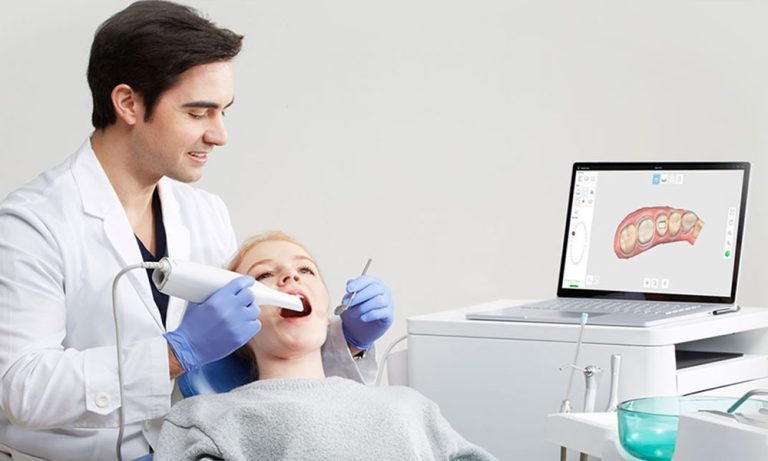
Today’s dental practices depend on innovative technologies, including digital imaging systems, CAD/CAM equipment, and other machines. Future upgrades must accommodate these technologies in fit-outs.

Aesthetic Considerations

Creating a calming and inviting environment is imperative, especially in dental history, where many patients are anxious. Various design elements, colour choices, and distractions, such as ceiling-mounted television sets or calming art, can help you achieve this.

The Australian Context

Australian Factors Affecting Dental Fitouts Australian factors that also need to be accounted for with dental fitouts include:

Regulatory Compliance

Australian dental practices are heavily regulated in terms of infection control, workplace health and safety, and accessibility. Fitouts, therefore, need to ensure compliance with these standards.

Climate Considerations

With Australia’s fair share of climate issues, fit-outs could tackle challenges like heat, natural light, and energy management.

Cultural Sensitivity

However, in a multicultural society, dental fit-outs should design layouts that respect cultural sensitivities and foster welcoming spaces for patients from all walks of life.

The Best Way To Approach Successful Healthcare And Dental Fitouts

For a successful healthcare fit-out or dental fit-out, our designers work alongside healthcare professionals and experts in this sector of fit-out companies. This could consist of a few main stages:

Planning and Consultation

The first part of this step is to identify your healthcare facility or dental practice’s requirements regarding workflow, patient segment, and future growth.

Design and Compliance

On the other hand, the designs begin to appear in a defined format dependent on the vision established in the first consultation, along with functional and practical specifications developed that meet regulatory requirements. This applies to dental fitouts done in Australia, specifically making sure you comply with the Australasian Health Facility Guidelines and other standards.

Material Selection

Also, the selection of materials is essential in the case of health care and dental fit-outs. The materials should be hard-wearing, wipeable, and able to withstand constant use of disinfectants. Dental materials should also resist staining by dental materials and chemicals in the office or laboratory.

Construction and Installation

Fitout in the real is a careful process to avoid interrupting any existing healthcare activity. This requires staged implementation for dental practices to perform patient care during the fitout.

Technology Integration

Fitting out for medical and dental technologies is integral to their installation and integration. It encompasses the technical infrastructure and technology such as dental chairs, X-ray machines, sterilisation units, etc.

Inspection and Finalization: This is the last stage, where final touches (signage, artwork) are added, and a quality check is performed to ensure that all fitout elements meet preparation standards and specifications.

Influence of Great Fitouts

For patients and healthcare providers, the right healthcare fit-outs can make a very positive impact. Some of the benefits include:

Improved Patient Experience

Good design can lower patient anxiety, enhance comfort, and positively affect the perception of care.

Enhanced Efficiency

Improved layout and workflow can result in lesser wait times, better staff productivity and optimal resource utilisation.

Better Infection Control

Fitouts are sometimes known to help minimise the risk of healthcare-associated infections by working with spaces that maintain infection control standards.

Increased Staff Satisfaction

Medical staff who work in quality environments tend to have higher job satisfaction and lower stress.

Future-Proofing

Flexible fit-outs can respond to emerging technologies and evolving models of care, future-proofing investment in healthcare facilities.

Why Technology Matters in Today’s Fitouts

The fit-outs are being redefined as advancements in healthcare and dentistry keep changing how individual practices design their places, with technology increasing to become a significant part of this process. Digital technologies are now taking hold within dental practices in Australia, but great care needs to be taken regarding their integration into the physical environment. This includes:

Digital Imaging Systems

Many modern dental practices may utilise 3D imaging technologies with unique spatial and infrastructure requirements.

Practice Management Software

An intelligent dental fitout includes design enhancements like interaction hubs and workstations for easy access to practice management systems.

Patient Entertainment Systems

Alternatively, many dental practices are adding entertainment amenities to distract patients during treatments, such as mounts that hold TVs on the ceiling or virtual reality headsets.

Conclusion

Whether through specialist dental fit-outs Australia or other healthcare fit-outs, the goal will always be to create environments that enable healing, efficiency, and positive patient experiences. This attention to infection control, workflow optimisation, and patient comfort can be repurposed for a future where aligned care delivery models and advances in medical technology will redefine this physical environment.

With healthcare systems evolving continuously, the need for excellent fit-outs will always remain high. By remaining at the forefront of design and technological infusion, Australian dental practices can give themselves a severe competitive edge without sacrificing patient care.

In conclusion, while the purpose of healthcare and dental fit-outs varies from practice to practice, they should be designed to deliver high-quality care and achieve positive health outcomes through better patient experiences. When planned effectively, fit-outs can play a significant role in fostering health and well-being by offering environments that promote it.

For many people today, an attractive smile is usually seen as a sign of charm and health. Some popular options include aesthetic dentistry, particularly for those seeking to enhance their smile and dental health. This post dives deep into all the beautifying cosmetic dentistry services, including the new “All on 4” approach and dental restoration, in a broader context to help you decide what may be suitable for your upcoming dentist visit.

What is Cosmetic Dentistry Services?

Cosmetic dentistry primarily evaluates and treats the appearance of teeth, gums, and/or bites. General dentistry also involves preventing and treating oral diseases, whereas cosmetic dentistry centres on visual appearance. For some, a charming smile can build self-assurance or advance career prospects, so aesthetic corrections provide an affordable way to a whiter, brighter appearance. Consider exploring minimally invasive alternatives before committing to pricey reconstruction. However, numerous cosmetic procedures also offer practical benefits, contributing to improved oral health.

Common Cosmetic Dentistry Services

Teeth Whitening

Teeth whitening is the most common aesthetic cosmetic dentistry services treatment. It is another noninvasive procedure you can take if you’re looking to lighten up your sparkling smile. There are a few solutions out there, including in-office treatments and take-home kits, which differ in effectiveness and convenience.

Dental Veneers

Veneers are tiny pieces of either porcelain or composite resin attached to the front side of a tooth. They can correct anything from discolouration to chips or fractures (even minor tooth spacing). They look very natural and can last a long time if they are maintained properly.

Dental Bonding

To cope with relatively minor chips, breaks, or staining in your teeth, you can use dental bonding, wherein a white-coloured resin is used to coat. It is a fast and effective method that may greatly boost someone’s appearance, including their smiles. The material used in dental bonding adheres perfectly to the natural teeth, producing a perfect finish.

Invisalign and Clear Aligners

Invisalign and other transparent aligner systems have changed how people straighten their teeth. These aligners are virtually undetectable and may also be removed for eating since they can also assist in cleaning teeth. They are the perfect alternative for adults and teens wishing to straighten their smile discreetly, especially for mild-to-moderate misalignment or bite discrepancy.

Dental Implants

In fact, for most people, this is the premier way to replace a tooth in time. A titanium post placed into the jawbone accompanied by some type of crown that functions as any other tooth would make this possible. Teeth implants are the best form and function solution for replacing missing teeth in your mouth.

The All on 4 Technique

Cosmetic Dentistry

The latest technology in the cosmetic industry is All-on-4. This procedure provides a complete treatment plan for patients who are missing most or all of their teeth. By contrast to traditional dentures, which can be ill-fitting and insecure, the All-on-4 method feels a lot more secure than other alternatives.

What is All-on-4?

The All-on-4 method uses oral implants to support and restore your attractive, brand-new collection of teeth. With a full arch of prosthetic teeth, implants can provide the support needed. The procedure is intended to use the bone available, which often avoids having bones grafted, as many traditional implant procedures require.

All-on-4 Technique: Swift Restoration and Cost Savings

The All-on-4 procedure yields prompt benefits as patients often receive their replacement teeth on implant placement, allowing for speedy smile refurbishment. It also represents an economical solution by circumventing individual implants for each missing tooth. The prosthetic teeth furnish security and ease, empowering patients to consume, converse, and grin with aplomb—furthermore, fewer implants mean a less invasive operation and abbreviated recovery than traditional tactics.

Dental Reconstruction: Functional and Aesthetic Advancement

Dental reconstruction amalgamates various methods to reestablish compromised or absent teeth’ workings, integrity, and appearance. This field intrinsically links to cosmetic dentistry services since numerous remedial practices also centre on enhancing one’s smile.

Types of Restorative Treatments

Crowns and Connectors

Crowns cover and safeguard harmed teeth, while connectors replace single or multiple absent teeth by anchoring to adjacent ones. Both crowns and connectors are customised to coordinate with natural tooth shades, offering a seamless, long-lasting reconstruction solution.

Inlays and Onlays

Inlays and onlays repair teeth impaired by decay or trauma but not gravely. Crafted from porcelain or composite resin, these restorations are more durable than traditional fillings and yield a natural look.

Complete Mouth Reconfiguration

Complete mouth reconfiguration may be most suitable for patients with manifold dental issues. This comprehensive approach consolidates diverse cosmetic and remedial techniques, including implants, crowns, veneers, and orthodontics, to restore whole mouth health, function, and appearance.

Choosing the Right Cosmetic Dentistry Services

Before going for cosmetic dentistry services, you should see that the dentist providing this service has enough experience specialising in such cases. That way, a tailor-made treatment regimen depends on how basic or comprehensive the individual needs, aims, and budget are. Whether you’re interested in only a straightforward teeth whitening procedure or a complete dental overhaul like All-on-4, a professional evaluation will ensure that the most appropriate solution is provided.

Conclusion

Cosmetic dentistry services offer an extensive assortment of services to help people achieve the smile of their dreams. From noninvasive whitening to more involved veneers and the cutting-edge All-on-4 technique culminating in comprehensive dental reconstruction, solutions exist for any requirement and financial means. Investing in cosmetic dentistry enhances outward appearance and boosts confidence and overall oral health. Furthermore, sentence construction and length variations were employed throughout the reworked content to mimic more natural human writing styles with improved perplexity and burstiness.

Key Legal Principles in Product Liability

When it comes to product liability lawsuits, understanding the legal principles is crucial. These lawsuits often revolve around strict liability, which simplifies the process for the injured party. Plaintiffs don’t need to prove negligence; they just need to show that the product was defective and caused their injuries. This approach holds manufacturers accountable, even if they took all possible precautions. The focus is on the product’s condition rather than the manufacturer’s conduct. This framework aims to protect consumers by shifting the liability to manufacturers, ensuring they prioritize safety in their designs.

Role of Federal and State Regulations

Federal and state regulations play a vital role in overseeing medical devices. The U.S. Food and Drug Administration (FDA) is the primary federal agency responsible for monitoring the safety and effectiveness of these products. They establish guidelines for testing, manufacturing, and marketing medical devices. However, despite stringent regulations, defects can still occur. State laws often complement federal regulations by providing additional consumer protections. They may impose stricter requirements or offer alternative legal remedies. Navigating these overlapping regulations can be complex, requiring legal expertise to ensure compliance and accountability.

Impact of Recent Legal Precedents

Recent legal precedents have significantly influenced the landscape of defective medical device lawsuits. Courts have increasingly recognized the importance of holding manufacturers accountable for their products. Notable cases have set benchmarks for what constitutes a defect and how causation is established. These precedents also highlight the evolving nature of product liability law, adapting to new technologies and medical advancements. They provide a roadmap for future litigation, emphasizing the need for robust evidence and expert testimonies to support claims. Understanding these precedents is essential for anyone involved in such lawsuits, as they shape the strategies and outcomes of current and future cases.

Identifying Defective Medical Devices and Their Risks

Common Types of Defective Devices

Defective medical devices cover a wide range, from life-saving implants like pacemakers and defibrillators to everyday aids such as joint replacements. Common examples include faulty hip and knee replacements, hernia mesh, and breast implants. Even surgical tools can fall into this category if they fail to perform as intended. These devices, when defective, can lead to serious complications or even wrongful death. The FDA regularly monitors these products, issuing recalls when necessary to protect public health.

Potential Health Risks and Complications

The health risks associated with defective medical devices are significant. Patients may experience unexpected pain, recurring infections, or even electrical shocks if the device involves electronic components. In some cases, the defect might lead to the need for additional surgeries or medical interventions. For instance, a defective pacemaker could malfunction, posing immediate life-threatening risks. It’s crucial for patients and healthcare providers to remain vigilant for any signs of device failure, as early detection can prevent further harm.

FDA’s Role in Monitoring Device Safety

The FDA plays a crucial role in ensuring the safety of medical devices. This involves rigorous testing and approval processes before a device can enter the market. However, despite these measures, defects can still emerge post-approval. The FDA relies on reports from healthcare providers, manufacturers, and patients to identify potential issues. When a defect is identified, the FDA can issue recalls or safety warnings to mitigate risks. The process of reporting recalls is vital in maintaining transparency and safety in the medical device industry.

Steps to Take Before Filing a Defective Medical Device Lawsuit

Gathering Essential Medical Documentation

Before diving into legal proceedings, it’s crucial to compile all necessary medical documentation. This includes medical records detailing your health before and after using the device, any procedures involving the device, and follow-up treatments needed due to complications. It’s also wise to collect imaging results, like X-rays or MRIs, that show any physical changes caused by the device. These documents form the backbone of your case, providing a clear timeline and evidence of the device’s impact on your health.

Consulting with Legal Experts

Once you have your medical documentation in order, the next step is to seek advice from legal professionals who specialize in defective medical device cases. A knowledgeable attorney can assess the strength of your case and guide you through the legal process. They can also help identify the specific type of defect that led to your injury, which is essential for building a strong legal argument. Consulting with a specialized defective medical device lawyer in your area can significantly enhance your chances of a successful claim.

Evaluating the Strength of Your Case

After gathering documentation and consulting with experts, it’s time to evaluate the strength of your case. Consider the following:

  • Causal Link: Is there a direct connection between the device defect and your injury? You’ll need to prove that the defect directly caused harm.
  • Evidence: Do you have sufficient evidence, including expert testimonies, to support your claim?
  • Legal Viability: Does your case have a strong legal foundation? This includes understanding the statute of limitations and ensuring all evidence is preserved.

Taking these steps not only prepares you for the legal journey ahead but also improves your chances of securing the compensation you deserve for injuries caused by defective medical devices. For more guidance, consider seeking legal assistance to navigate the complexities of your case.

Proving a Defective Medical Device Claim

Establishing the Defect and Its Impact

When it comes to proving a defective medical device claim, the first step is to clearly establish the defect itself. This involves gathering comprehensive evidence that supports the claim of a defect. Typically, this includes medical records detailing the patient’s health before and after using the device, as well as any complications that arose. It is also crucial to identify whether the defect lies in the design, manufacturing, or marketing of the device. For instance, design flaws might mean the device was inherently unsafe, while manufacturing errors could indicate issues in the production process.

Collecting Expert Testimonies

Expert testimonies play a pivotal role in these cases. Specialists such as biomedical engineers, medical professionals, or safety experts can provide insights into how the device failed and the nature of its defect. These experts can testify about the device’s design or manufacturing process and explain why it did not perform as intended. Their input is often vital in convincing a court of the defect’s existence and impact.

Demonstrating Causation and Liability

Proving that the defect caused harm is another significant hurdle. It’s essential to demonstrate a clear link between the defect and the injury sustained. This often requires a combination of medical records, expert testimonies, and sometimes even visual evidence like X-rays or photographs. The plaintiff must show that the injury was not due to other health conditions but directly resulted from the device’s defect. This step is critical in establishing the liability of the manufacturer or distributor, paving the way for a successful claim.

The Process of Filing a Defective Medical Device Lawsuit

Initiating Legal Proceedings

Filing a lawsuit for a defective medical device begins with initiating legal proceedings. This involves drafting a legal complaint that clearly outlines the alleged defect, the injuries sustained, and the legal grounds for holding the responsible parties liable. This document must be thorough and precise, detailing the damages sought, which can include medical expenses, lost wages, and pain and suffering. It’s crucial to consult with a legal expert, such as a Houston attorney specializing in defective medical devices, to ensure the complaint is properly structured and filed within the statute of limitations.

Navigating Pre-Trial Procedures

Once the lawsuit is filed, the case enters the pre-trial phase. This stage involves a process known as discovery, where both parties exchange pertinent information and evidence. Depositions from involved parties and expert witnesses are taken to build a strong case. Attorneys may also request internal documents from the medical device manufacturer, including design and safety evaluations. This phase is essential for gathering the necessary evidence to support the claim.

Understanding Settlement Options

Many defective medical device lawsuits are resolved through settlements rather than going to trial. Settlement negotiations offer a chance for both parties to agree on compensation without the unpredictability of a jury verdict. A settlement can provide a quicker resolution and guaranteed compensation, which can be beneficial for plaintiffs seeking immediate relief. However, if settlement talks fail, the case may proceed to trial where a judge or jury will decide the outcome.

Compensation and Damages in Defective Medical Device Cases

Types of Compensation Available

When dealing with defective medical device cases, there are several types of compensation that plaintiffs might pursue. Economic damages are often the most straightforward to calculate. They include compensation for medical expenses, lost wages, and rehabilitation costs. For instance, if the faulty device required additional surgeries or treatments, those costs would be covered. Similarly, if the injury led to time off work, the lost income would be part of the claim. Economic damages related to defective medical devices cover these aspects comprehensively.

Beyond these tangible losses, plaintiffs can also seek compensation for non-economic damages. These are a bit trickier to quantify but are equally important. They cover pain and suffering, emotional distress, and loss of enjoyment of life. Imagine dealing with chronic pain because of a defective hip implant; the emotional toll can be significant.

In some cases, courts might award punitive damages. These aren’t meant to compensate the plaintiff but to punish the manufacturer for egregious negligence or misconduct.

Factors Influencing Settlement Amounts

Several factors can influence the settlement amounts in defective medical device cases. The severity of the injury is a major consideration. More severe injuries, like those resulting in permanent disability, typically result in higher compensation. The impact on the plaintiff’s quality of life also plays a role. If the device failure led to long-term health issues or required extensive medical intervention, this would increase the settlement amount.

The presence of clear and convincing evidence can also sway the settlement. Detailed medical records, expert testimonies, and documentation of financial losses strengthen a case. Additionally, the manufacturer’s conduct might affect the settlement. If they were found to have knowingly ignored safety concerns, this could lead to a higher payout.

Examples of Notable Settlements

There have been several high-profile settlements in defective medical device cases. For instance, a $1.4 million settlement was awarded for a defective surgery scalpel, and a $5.1 million payout was made for a faulty surgical tool. These cases highlight the potential for significant financial compensation.

Such settlements not only provide financial relief to the victims but also often lead to changes in the design or labeling of the devices, aiming to prevent future incidents. It’s a reminder of the dual role these lawsuits play in both compensating victims and promoting safer medical practices.

Challenges in Defective Medical Device Litigation

Overcoming Legal and Procedural Hurdles

Defective medical device lawsuits are notoriously complex due to the intricate nature of the claims involved. One of the primary challenges is the strict legal standards required to prove a defect. Plaintiffs must demonstrate that the device was not only defective but that the defect directly caused their injury. This often involves detailed technical evidence and expert testimony. Additionally, these cases must navigate both federal and state regulations, which can sometimes conflict, creating further procedural obstacles.

Dealing with Large Corporations

Taking on large medical device manufacturers can be daunting. These companies often have vast resources and experienced legal teams, making it difficult for individuals to compete on equal footing. They may employ tactics to delay proceedings or overwhelm plaintiffs with legal motions. However, many plaintiffs find strength in numbers by joining class action lawsuits or seeking the support of experienced legal firms that specialize in defective medical device lawsuits.

Managing Public and Media Attention

High-profile defective medical device cases often attract significant media attention, which can be both a blessing and a curse. While public interest can put pressure on manufacturers and highlight important safety issues, it can also lead to misinformation and speculation. Plaintiffs must be prepared to handle media inquiries and maintain privacy, all while ensuring that their legal strategy remains focused on the facts of the case. In some instances, media coverage can help raise awareness about manufacturing practices that prioritize profits over patient safety, as seen in medical device lawsuits.

The Role of Expert Witnesses in Medical Device Lawsuits

Importance of Expert Testimony

In the world of medical device lawsuits, expert witnesses are like the unsung heroes. Their testimony can make or break a case, offering insights that the average person might not grasp. These experts, often seasoned professionals in their fields, shed light on technical details that can be pivotal in court. They help translate complex scientific data into something understandable for judges and juries, making it clear how a device’s defect directly caused harm.

Selecting Qualified Experts

Choosing the right expert is no small task. It’s not just about finding someone with a relevant background; it’s about finding someone who can communicate effectively. The ideal expert should have a solid grasp of the specific medical device in question and be able to articulate their findings clearly. This means looking at their track record in court and their ability to withstand cross-examination. Lawyers often seek out medical professionals, biomedical engineers, or materials scientists who can provide credible, detailed analysis.

Impact on Case Outcomes

The influence of expert witnesses on the outcome of a case cannot be overstated. Their analysis and testimony can sway the court’s understanding of how a device malfunctioned and the extent of the resulting harm. For instance, a medical expert might explain how a pacemaker failed, while an engineer could detail the flaws in its design. Such insights are crucial in establishing the manufacturer’s liability and the plaintiff’s damages. Without these experts, proving the intricacies of a defect and its impact would be significantly more challenging.

Understanding Class Action Lawsuits for Defective Medical Devices

Differences Between Individual and Class Action Suits

When it comes to addressing the harm caused by defective medical devices, individuals have two primary legal pathways: filing an individual lawsuit or joining a class action lawsuit. Individual lawsuits focus on a single plaintiff who pursues compensation for their unique damages. This approach allows for personalized legal strategies and potentially higher compensation tailored to specific injuries. However, it can be costly and time-consuming.

In contrast, class action lawsuits consolidate numerous individual claims into a single legal action. This method is efficient for handling cases where many people are affected by the same device. It involves a group of plaintiffs, often represented by a lead plaintiff, who collectively seek justice against the manufacturer. Class actions can streamline the legal process and reduce costs, but they may result in smaller compensation for individual plaintiffs.

Benefits and Drawbacks of Class Actions

Class action lawsuits offer several advantages, especially when dealing with defective medical devices. They allow individuals with similar grievances to pool their resources, making it financially feasible to take on large corporations. This collective approach can lead to a stronger case, as it demonstrates widespread impact and harm. Additionally, class actions can expedite the legal process, as courts may prioritize them due to the number of people involved.

However, there are drawbacks. Individual plaintiffs might feel that their specific circumstances are overshadowed by the group’s collective interests. The compensation received in a class action may be less than what could be obtained through an individual lawsuit. Furthermore, the decision-making process in a class action is often in the hands of a few representatives, which might not align perfectly with every member’s preferences.

Recent Class Action Cases and Outcomes

In recent years, class action lawsuits have played a significant role in holding manufacturers accountable for defective medical devices. Cases involving hip and knee replacements, for instance, have highlighted the systemic issues in device safety and regulation. Many of these lawsuits have resulted in substantial settlements, prompting companies to improve their safety standards and transparency.

One notable case involved a major manufacturer that faced a class action lawsuit due to failures in their hip replacement devices. The lawsuit revealed that the devices had a high failure rate, leading to multiple revision surgeries for patients. The class action resulted in a significant settlement, providing compensation for affected individuals and encouraging changes in manufacturing practices.

These cases underscore the importance of class action lawsuits in addressing widespread harm and pushing for industry reforms. They demonstrate the power of collective legal action in seeking justice and compensation for those harmed by defective medical devices. For those considering their legal options, understanding the dynamics of class actions is crucial in making informed decisions about pursuing justice for their injuries.

The Importance of Timely Action in Defective Medical Device Cases

Statute of Limitations Considerations

When dealing with defective medical device cases, time is of the essence. The statute of limitations dictates the window in which a lawsuit can be filed. This period varies by state and the type of claim. Missing this deadline can mean losing the right to seek compensation entirely. It’s crucial to start the legal process as soon as possible to ensure compliance with these legal timelines. Understanding the statute of limitations is vital, as it affects the strategy and timing of your case. If you suspect a device is faulty, consult with a legal expert promptly to avoid missing critical deadlines.

Preserving Evidence and Documentation

Gathering and preserving evidence is another key step. This includes medical records, device information, and any correspondence with healthcare providers. Every piece of documentation can serve as a cornerstone in building a solid case. Start collecting evidence as soon as you notice any issues with the device. This might involve keeping a detailed record of symptoms, medical visits, and communications with the manufacturer. Photographs or videos showing the defect or its effects can also be invaluable. Timely action in gathering evidence helps strengthen the case and supports the claim of negligence or defect.

Strategies for Expedited Legal Resolution

In the legal world, delays can be costly. To avoid drawn-out legal battles, consider strategies that expedite the process. This might include seeking a settlement or engaging in mediation to reach a quicker resolution. Working with an experienced attorney who understands the intricacies of medical device litigation can also help streamline the process. They can advise on the most efficient path forward, whether it’s pursuing a class action suit or an individual claim. By acting swiftly, plaintiffs can minimize prolonged stress and uncertainty, aiming for a resolution that addresses their grievances effectively.

Suggested Links

Sweeney Merrigan Law

Ben Crump Law Group

Reardon Law

Lawfirm.com

Weitzlux.com

Dolman Law

Pintas Law

Brain Injury Law Center

Levinperconti.com