

Category

Pain Management

Category

Visiting a pain center for the first time can be daunting, but understanding what to expect can ease some of the anxiety. These centers specialize in diagnosing and managing chronic pain, providing a comprehensive approach to treatment. When considering a pain center in Chicago, patients can anticipate a multidisciplinary team of pain specialists who work collaboratively to devise personalized treatment plans. Let’s take a detailed look in the following article.

Initial Consultation

During the initial consultation, a detailed medical history and a thorough physical examination will be conducted. This helps the pain specialist understand the underlying causes of your pain. They may ask about the intensity, duration, and type of pain, as well as any previous treatments or medications tried. This holistic approach ensures that all facets of the patient’s condition are considered.

Diagnostic Tests

Diagnostic tests such as MRI scans, X-rays, or nerve conduction studies might be recommended to pinpoint the root cause of the pain. These tests provide a clearer picture of the internal structures and help identify abnormalities or conditions that may be contributing to chronic pain.

Treatment Options

Once the diagnosis is confirmed, the pain specialist will discuss various treatment options. These may include medication management, physical therapy, nerve blocks, or more advanced interventional techniques such as epidural injections or radiofrequency ablation. Each treatment plan is tailored to the individual’s needs, ensuring the best possible outcomes. It is essential to understand that pain specialists are a better choice than primary care, as they have specialized training and experience in dealing with chronic pain.

Benefits of a Multidisciplinary Approach

One significant advantage of visiting a pain center is the multidisciplinary approach to care. This collaboration among various healthcare professionals, including physicians, physical therapists, and psychologists, ensures a comprehensive treatment plan that addresses both the physical and emotional aspects of chronic pain. Such an approach enhances the probability of achieving long-lasting relief and improved quality of life.

Frequently Asked Questions

What should I bring to my first appointment?

It is essential to bring relevant medical records, a list of current medications, and information about previous treatments. This information helps the pain specialist create an effective, personalized treatment plan.

How long does the initial consultation last?

The initial consultation can vary but typically lasts between 60 to 90 minutes. This allows ample time for the specialist to conduct a thorough examination and discuss potential treatment options.

Understanding what to expect when visiting a pain center can significantly reduce anxiety and help you feel more prepared. With the right approach and a dedicated team of specialists, effective pain management and an enhanced quality of life are within reach.

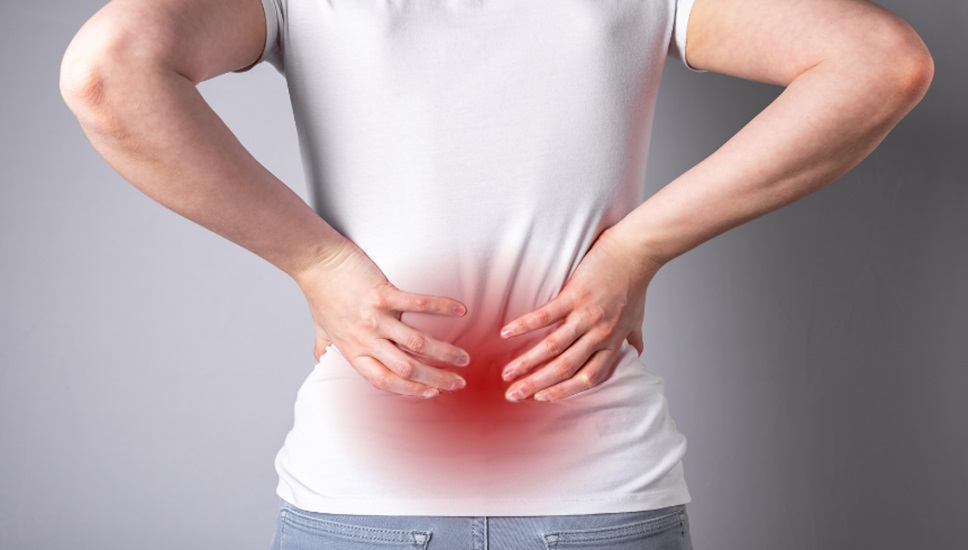
Pain is an inevitable part of life, and it can range from mild discomfort to chronic and debilitating. It can affect our physical, mental, and emotional well-being. Finding effective ways to manage pain is crucial for maintaining a good quality of life. In recent years, there has been an increase in the awareness and availability of different pain management techniques. These techniques not only help in alleviating pain but also have other benefits that contribute to overall health and well-being. In this article, we will explore some of the benefits of different pain management techniques and how they can improve our lives.

Physical Benefits

Pain can limit our ability to move, perform daily activities, and participate in physical exercise. This can lead to a sedentary lifestyle, which has negative effects on our physical health. Different pain management clinic techniques, such as physical therapy, acupuncture, and chiropractic care, can help in managing pain and improving physical function. However, it is crucial to make sure that you seek an experienced healthcare professional for pain management in Shreveport, LA, so that you receive the best care and treatment for your specific needs.

Mental Benefits

Chronic pain can also take a toll on our mental health, leading to increased stress, anxiety, and depression. Pain management techniques like meditation, deep breathing exercises, and biofeedback can help in managing these psychological symptoms. Meditation and deep breathing exercises can induce relaxation responses that reduce stress levels and promote a sense of calmness. Biofeedback involves using electronic devices to monitor and control bodily functions, such as heart rate and muscle tension, which can help in understanding and managing pain triggers.

Emotional Benefits

Living with chronic pain can also have a significant impact on our emotional well-being. It can lead to feelings of hopelessness, frustration, and anger. Pain management techniques like cognitive-behavioral therapy (CBT) and support groups can help in coping with these emotions. CBT focuses on changing negative thought patterns and behaviors to better manage pain. It can also provide a sense of control over the pain rather than feeling helpless. Support groups allow individuals to share their experiences, learn from others, and receive emotional support.

Improved Quality of Life

Ultimately, the most significant benefit of effective pain management techniques is an improved quality of life. Living with chronic pain can be physically and emotionally exhausting, affecting every aspect of our lives. By reducing pain, managing stress, and other symptoms, these techniques can improve overall well-being, allowing individuals to engage in activities that they enjoy and maintain a good quality of life.

Conclusion

The benefits of different pain management techniques are numerous and go beyond just alleviating pain. They can improve physical, mental, and emotional health, be cost-effective, and ultimately lead to a better quality of life. It is essential to consult with a healthcare professional to determine the best pain management technique for individual needs. With the right approach and treatment, managing pain can become a less daunting task, allowing individuals to live their lives to the fullest. So, do not let pain limit you; explore different techniques and find what works best for you.

When dealing with lower back pain, it becomes crucial to identify the most comfortable and healthy sleeping positions since the way one sleeps directly affects the well-being and functioning of the spine. Different sleep positions have varying impacts on one’s spine and can either alleviate or worsen back pain. Let’s dive into the best sleeping positions for people suffering from lower back pain and how they can potentially improve their quality of life.

1. Sleeping on the Back with a Pillow Under the Knees

Sleeping on your back is considered to be the best position for spinal health. Placing a pillow under the knees provides additional support to the natural curve of the spine, distributing body weight evenly and maintaining spinal alignment. By minimizing strain on the lower back, this position has proven effective in reducing pain and discomfort for those suffering from back pain. If you experience persistent pain, consult a qualified healthcare professional for back pain in Omaha who can provide customized advice tailored to your needs.

2. Sleeping in a Fetal Position

Sleeping on the side with the knees tucked in towards the chest, also known as the fetal position, can be beneficial for individuals experiencing lower back pain. This sleeping position is beneficial in cases of lower back pain induced by herniated discs and issues related to spinal stenosis. By curling up with knees bent in a fetal position, the spaces between the vertebrae widen, thus reducing the pressure exerted on the spine.

3. Sleeping on the Side with a Pillow Between the Knees

For those who prefer sleeping on their side, it’s important to maintain proper alignment of the neck, shoulders, and spine. Placing a pillow between the knees can achieve this alignment and provide support to both the upper leg and the spine. This helps in preventing unnecessary strain on the lower back while ensuring a more comfortable night’s sleep.

4. Reclined Sleeping Position

Reclined sleeping positions, either with the help of a bed that’s adjustable or on a recliner, can also help those with lower back pain. By angling the upper body, the pressure on the lower back is relieved, reducing pain and discomfort associated with conditions like degenerative disc disease and spinal stenosis.

Knowing the difference between lower back pain and sciatica is crucial when looking for the right strategy to manage pain. To better understand the underlying causes and determine the most appropriate sleeping position for your specific needs, consider consulting with professionals specializing in lower back pain and sciatica.

To Conclude

Incorporating these sleeping positions into your bedtime routine can improve your spinal health and reduce lower back pain. Besides, it is equally essential to maintain a healthy lifestyle, including regular exercise and proper body mechanics at work and home. The common forms of back pain can be managed and treated with the right habits, sleeping positions, and professional guidance, ensuring a better quality of life for those affected. By understanding the impact of sleeping positions on lower back pain and incorporating them into a healthy lifestyle, one can prevent exacerbating their condition and effectively manage their pain.