
Category

Featured

Category

If you sustained an injury or developed a severe medical condition that makes it impossible for you to work, long-term disability insurance can offer the necessary financial assistance. But there’s no guarantee that companies that offer disability insurance will approve your claim. Long-term disability insurance can be bought individually from a provider or given by employers in group plans. Typically, insurance companies delay benefits to try to hold on to premium payments. As insurance companies can deny disability claims for various reasons, you must understand these reasons. These include the following:

Disability Definition

Your injury or medical condition should meet the disability requirements of your policy. A skilled disability attorney can walk you through these definitions and determine if your condition meets the requirements. If so, they will help you fight for the benefits you deserve.

Insufficient Medical Documentation or Evidence

Disability claims need to be supported by proof of the disability in writing.  In some instances, insurance companies do not get all your medical records. Ensure the insurer requested all documentation that supports your disability claim and that such records were received. Documentation includes chart notes, medical records, test results, and prescription records. You must also demonstrate that you are getting regular medical care from a physician or therapist. If you are suffering from a mental health problem, you should have proof of visits to a psychiatrist or psychologist. If you cannot present this supporting evidence, the insurer may deny your disability claim.  

Missed Deadlines

If you are seeking disability benefits, you need to file a claim and submit the requested documents on time. If your claim is denied, make note of the filing deadline and the deadline to file an appeal. Missing the deadline can mean losing your chance to file a lawsuit against an insurance company in federal court. You must submit all medical documentation and records as soon as possible. 

The Policy Does Not Cover Your Condition

Some medical conditions are not covered by ERISA or private long-term disability insurance. Also, this insurance denies coverage for conditions such as alcohol or drug abuse, a crime-related injury, or a self-inflicted injury. Often, pre-existing conditions are not covered. Also, insurance companies may limit or even deny coverage for conditions based on subjective complaints like chronic fatigue syndrome, depression, or fibromyalgia. 

Disability benefits can be a lifeline for people who cannot work due to a disability or serious illness. If you cannot work because of an illness or an accident-related injury, you may be entitled to long-term disability benefits. To reduce your risk of being denied benefits, hire a disability attorney to help you. 

Accidents can happen at any time, and a knocked-out tooth is one of those unexpected dental emergencies that can leave you feeling anxious and unsure of what to do. Whether it occurs during a sporting event, a fall, or any other unfortunate incident, knowing the right steps to take immediately can make a significant difference in saving the tooth and preserving your oral health. In this article, we will outline the immediate steps to handle a knocked-out tooth effectively.

  • Stay Calm and Act Quickly:

The first and most crucial step is to stay calm and act swiftly. Panic can cloud your judgment, and time is of the essence when it comes to saving a knocked-out tooth. Take a deep breath, assess the situation, and focus on the task at hand. 

  • Retrieve the Tooth:

Locate the knocked-out tooth immediately. Handle it only by the crown (the top part visible in the mouth) and avoid touching the root to prevent further damage. 

  • Rinse Gently:

If the tooth is dirty, gently rinse it with milk or a saline solution. Do not use water, soap, or any cleaning agents, as they can harm the delicate root cells that are essential for successful re-implantation.

  • Attempt to Re-Implant:

If possible, try to re-implant the tooth into its socket. Hold the tooth by the crown and gently push it back into place. Once in position, bite down on a clean cloth or gauze to keep it in place until you can reach a dentist.

  • Preserve the Tooth:

If re-implantation is not possible, preserve the tooth properly to increase its chances of survival. Place it in a container of milk, saline solution, or the person’s saliva. The goal is to keep the tooth moist and avoid drying it out.

  • Seek Immediate Dental Care:

Regardless of whether you were able to re-implant the tooth or not, it’s crucial to seek immediate dental care. Call your dentist or visit the nearest emergency dental clinic as soon as possible. Dental professionals possess the knowledge and equipment necessary to handle this situation effectively.

  • Manage Pain and Bleeding:

If there is bleeding from the socket, apply gentle pressure with a clean gauze or cloth to control it. Over-the-counter pain relievers can be used to manage pain, but avoid placing aspirin or any medication directly on the affected area, as it may cause irritation.

  • Avoid Certain Actions:

To maximize the chances of saving the tooth, avoid specific actions that could harm the tooth or the surrounding area. Refrain from touching the root of the tooth, scrubbing it clean, or wrapping it in a tissue. Additionally, do not attempt to force the tooth back into the socket if it doesn’t easily fit.

  • Use a Cold Compress:

If there is swelling, apply a cold compress to the affected area for 15-minute intervals. This can help reduce swelling and alleviate discomfort.

Conclusion

Remember, time is of the essence when dealing with a knocked-out tooth. Acting promptly and following these immediate steps can significantly increase the likelihood of saving the tooth and promoting a successful recovery. Always seek professional urgent dental care after the emergency to ensure proper treatment and long-term oral health.

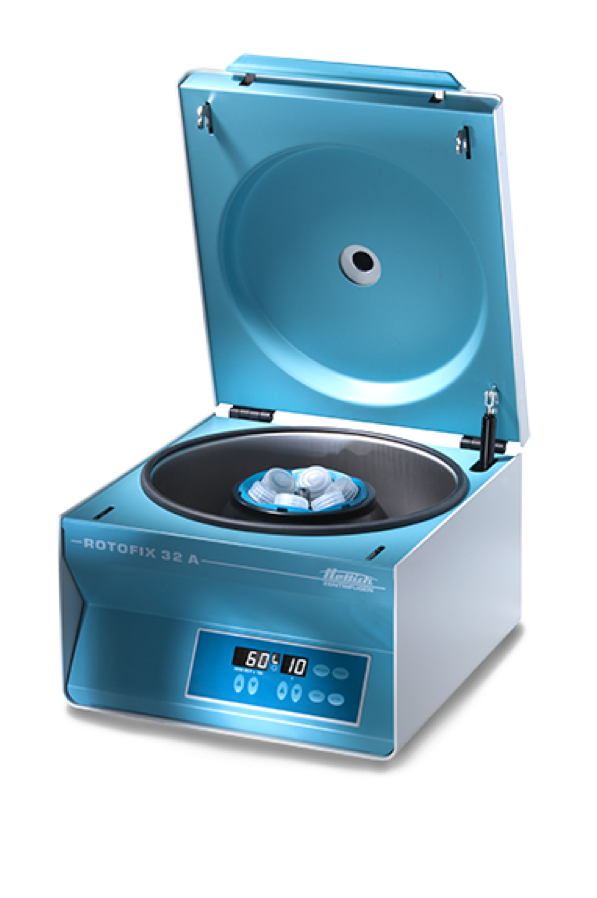
Cytology centrifuges are used in laboratories to transfer cells from patient sample onto a microscope slide, which are then stained for further analysis.

If you’re new to using cytology centrifuges, understanding the basics of how they work can be confusing. That’s why we’ve put together this comprehensive guide to help you get up to speed.

What is a Cytology Centrifuge?

A cytology centrifuge is a laboratory instrument that uses centrifugal force to push cells onto a microscope slide

To prevent the cells from getting distorted, usually the samples are spun at a lower speed, around 800 to 1,000 RPM. At this speed, cells can be transferred onto the slide without being distorted by high G-force.

There are a few types of setup, with the main difference in the sample volume. Smaller sample volume cells are more commonly used for samples that are more scarce, such as cerebral spinal fluid (CSF). While bigger sample volume cells are more commonly used for samples such as urine.

How Does It Work?

The process of using a cytology centrifuge is relatively straightforward. First, the sample funnel will be secured tightly together with the filter card and microscope slide. Then the sample will be added into the funnel. The setup will then be placed in the cytology rotor.

The amount of time and speed necessary for proper separation will depend on the type of sample. Once finished, samples can be removed from the rotor and the slide can be removed and stained for further analysis.

What Are Some Benefits of Using a Cytology Centrifuge?

Using a cytology centrifuge offers several benefits such as improved accuracy, greater efficiency, and is very repeatable.

Additionally, since most modern machines offer adjustable speed settings, users can easily customize their spin cycles for specific samples and results they want to achieve while still maintaining optimal safety standards with minimal risk of contamination or injury due to improper operation or handling procedures.

Uses for Cytology Centrifuges

The primary use of cytology centrifuges is to transfer cells onto microscope slides to be visually analyzed.

For example, they can be used in medical laboratories to diagnose diseases by analyzing cell samples taken from patients’ blood or bodily fluids. They can also be used for research purposes, such as studying cell growth and development or examining cellular structures and functions.

Conclusion

Cytology centrifuges are powerful tools for preparing slides quickly and accurately in clinical and research settings.

Understanding how these machines work can help you become more efficient with your lab work while also ensuring your results are accurate every time you use them. With this comprehensive guide by your side, you’ll have all the information you need about cytology centrifuges so you can get started right away!