
Author

Daisy R. Williams

Browsing

The human body is made to adapt with many environments which enables humans to survive in many conditions. This also answers how our ancestors are able to live throughout different eras and living conditions. There are many systems functioning in the human body. Some people take supplements such as probiotic capsules to help preserve and improve their health and body function. In this article, we will understand more about the digestive system and common problems related to it.

Digestive system is made up of organs that digest food and liquids. It also helps absorption of nutrients and eliminating waste. The human digestive system includes mouth, throat, food pipe or oesophagus, stomach, small and large intestine along with rectum and anus. There are many organs involved in the digestive system. Problems with digestive system are quite a handful numbers but here we will be focusing on 4 common ones:

1)  Gastroesophageal Reflux Disease (GERD)- A disease that occurs when the stomach acid travels up to the oesophagus. GERD happens due to weakness or relaxation of the lower esophageal valve (sphincter) caused by reflux of gastric contents. This acid causes irritation to the lining of digestive systems. People with GERD often complain of bitter taste in the mouth, feeling of the undigested food travelling up to the oesophagus or mouth and heartburn.

2)  Irritable Bowel Syndrome (IBS)- A disease affecting the large intestine. It is usually accompanied by symptoms of repeated pain in the abdomen and changes in the bowel movements, either diarrhoea, constipation or both. There are no visible signs of damage or disease affecting the digestive tract, hence, making IBS a disorder that is still not fully understood.

3)  Inflammatory Bowel Disease (IBD)- A term used to describe conditions characterised by chronic inflammations of the digestive tract. IBD is divided into two types: Crohn’s disease and ulcerative colitis. Differences between the two lies in the inflamed areas. In ulcerative colitis, the affected area is the inner lining of the colon whereas in Crohn’s disease, the affected area may occur in all layers of the bowel walls. Symptoms of IBD include abdominal pain or cramps, bloody diarrhoea and bowel movement issues. In some cases, it may lead to weight loss and fatigue.

4)  Lactose intolerance- A digestive problem characterised by the body unable to digest lactose due to the low level of lactase (an enzyme to digest and breakdown lactose) produced by the small intestine. Lactose primarily can be found in milk and dairy products. People with lactose intolerance often have symptoms of bloating, diarrhoea and gassy after consuming food or drinks containing lactose. Lactose intolerance can be caused by several reasons such as from the ageing process, medical conditions such as Crohn’s disease and already developed from a young age.

If a person experiences symptoms related to digestive disorders, they should talk to a healthcare professional to find out what is the cause of the problems. It is only when the cause or diagnosis has been confirmed can help the person get the right treatment and medications. Although problems with digestive systems may seem harmless, some may actually lead to life-threatening conditions when left untreated. Hence, the best way to avoid such complications is to immediately get medical advice when a person notices something is wrong with the way they eat, changes in the bowel movement and other feelings of discomfort regarding organs involved in the digestive system. A person should always practise healthy eating habits in order to preserve the healthy digestive systems. This is done by eating a balanced meal packed with fruits and vegetables. Aside from benefiting the digestive systems, a healthy meal on a regular basis helps to maintain a healthy body.

An appendectomy is a potentially life-saving surgery to remove the appendix when it becomes inflamed or infected. This condition is known as appendicitis, and it is a common emergency surgery that can occur at any age. In some cases, a prompt appendectomy can be the only way to prevent the appendix from bursting and releasing bacteria and toxins into the abdomen.

The appendix is a small, tube-shaped organ that is located in the lower right side of the abdomen and has no known purpose in the body. Despite its lack of purpose, the appendix can still be a source of great discomfort when it becomes infected or inflamed.

Common symptoms of appendicitis include abdominal pain that radiates to the lower right side, abdominal swelling, constipation or diarrhea, nausea, vomiting, loss of appetite, and fever.

If you are experiencing any of these symptoms, it is imperative to seek medical treatment right away. If left untreated, the appendix can rupture, leading to a longer hospital stay and potentially life-threatening complications. The main reliable treatment for appendicitis is an appendectomy, a surgical procedure that involves removing the appendix.

Appendectomy is a relatively straightforward procedure. During the procedure, the surgeon makes a small incision in the lower right side of the abdomen, then carefully removes the appendix. The appendix is then sent to a laboratory for analysis to confirm the diagnosis. The incision is then closed and the patient is monitored for any postoperative complications.

What are the Risks of Appendectomy?

When it comes to medical procedures, it is important to understand the risks involved. An appendectomy is a common and usually safe procedure, but there are certain risks associated with the surgery.

Internal bleeding is one of the most serious risks of appendectomy. This can occur when the appendicular artery is not secured properly or when nearby vessels are injured. Internal bleeding is a serious risk, as it can lead to further complications such as organ failure, shock, and even death.

Infection is another risk associated with appendectomy. The surgery creates a wound in the abdomen, which can be a potential entry point for bacteria and other infectious agents. The risk of infection is highest immediately after the surgery and usually presents within a week.

Most infections are treated with just antibiotics and wound dressings. However deep seated infection can lead to severe health complications, so it is important to take preventative measures to avoid it.

Injury to organs is a rare but serious risk of appendectomy. The surgeon must be careful not to damage any organs or blood vessels in the vicinity of the appendix. If the surgeon damages the bladder or intestines, it could cause long-term health complications.

Hernia is another potential complication of appendectomy. The risk of hernia is increased if the surgeon does not close the incision properly or if the patient puts too much strain on the wound during recovery. If a hernia develops, it must be surgically repaired, which will require additional surgery.

Overall, the risks of appendectomy are much lower than the risks of untreated appendicitis. While the procedure is not without risks, it is generally considered a safe and effective way to treat appendicitis. It is important to consult a doctor if you are experiencing any symptoms of appendicitis, to ensure you make the best decision for your health.

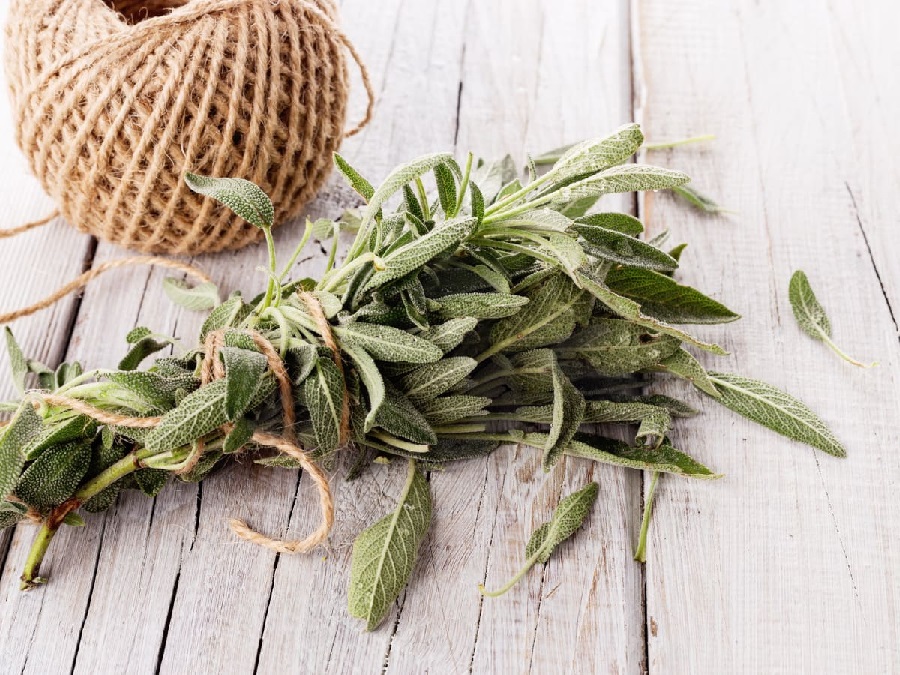
Herbal incense is a natural and non-toxic way to reduce stress and relax your mind. It has been used for centuries for spiritual, medicinal, and recreational purposes. But, like any natural product, it needs to be stored correctly for it to remain effective. So if you want to get the most out of your incense, here are some tips on how to store it properly.

Keep it in a cool, dry place:

The k2 liquid spray should be stored in a cool, dry place away from direct sunlight. Sunlight can break down the herbs, causing them to lose their potency and flavour. Heat can also cause the oils in the herbs to evaporate, leaving you with a less-than-ideal aroma. So if you want to get the most out of your incense, make sure you store it somewhere cool and dry.

Avoid moisture:

Moisture can cause mold and mildew to grow on your incense, which can be harmful to your health. So it’s important to make sure your storage area is free from moisture. If you need to, you can use desiccants or moisture absorbers to keep your incense dry.

Don’t store it in plastic:

Storing your incense in plastic or any other container with a lid can trap moisture and cause your incense to lose its aroma. It’s best to store your incense in a glass or ceramic container that allows air to flow around the herbs.

Use an airtight container:

Airtight containers are the best way to keep your incense fresh and fragrant. They keep out moisture, dust, and other contaminants that can affect the aroma of your incense. Be sure to choose a container that is the right size for your incense so that the herbs are not crushed or damaged.

Label Your Containers:

Labelling your containers will make it much easier to keep track of your incense and make sure it is stored correctly. You can also use labels to help you remember which herbs are in each container.

Use an Incense Holder:

An incense holder can be a great way to store your incense and keep it safe from damage. They are available in a variety of styles and materials, so you can find one that fits your needs. Make sure the holder is big enough to hold the amount of incense you need and that it has enough ventilation to allow the smoke to flow freely.

Buy in Bulk:

Buying your incense in bulk can save you money and help you keep your incense fresh for longer. Buying in bulk also makes it easier to store your incense, since you don’t have to worry about running out or having to restock often.

Check the Date:

Be sure to check the date on your incense before you buy it. Herbal incense has a shelf life of up to 2 years, so make sure the incense you buy is still in date. This will help ensure you get the most out of your incense.

Conclusion:

By following these simple tips, you can ensure that your incense will remain fresh, fragrant, and effective for as long as possible. So if you want to get the most out of your incense, it’s important to take the time to store it correctly.