Author

Clare Louise

Browsing

Introduction

People go to diet clinics to seek healthier options and practices concerning their weight loss as a way of living. However, substantial knowledge of body composition is important in these prospective environments, excluding simple weight indicators. This paper aims to discuss the body composition primarily focusing on muscle mass and fat percentage while existing in and for Weight Loss Clinic.

Differentiating Weight and Body Composition

Weight: The Numbers Game

Weight on the other hand is universal and can be measured in pounds or kilograms and denote the sum total of tissue in the body. It is a good general measure that can be used in evaluating total body weight although it is a very rough measure of one’s fitness and health.

Body Composition: A Deeper Dive

Body composition, however, goes a notch higher in that it seeks to compare and contrast various body structures in terms of muscle mass, fat mass, bone density, and water content. Being that weight is quantitative, body composition analysis is more informational as it provides one with specifics of their composition.

The Importance of Muscle Mass

Muscle: The Metabolic Engine

Muscle is an important component of metabolism because it is an active metabolically tissue which burns calories even when the individual is not actively involved in any activity. Therefore, one could associate greater muscle mass with greater basal metabolic rate (BMR), that would enable more efficient calorie burning in the process.

Functional Significance

In addition to metabolism, the muscle tissue plays an important role in the human body to provide strength, physical activity, and general functional ability. In clinical settings, it is significantly important to retain or even build up the muscle mass as this will contribute to the continued weight change and weight maintenance.

Understanding Fat Percentage

Fat: Balancing Act

Some fat content in the body is good as it is useful for insulation, hormone production, and energy reserves, but any more than necessary is unhealthy and is associated with obesity and its effects which include heart diseases and diabetes, among others. Measuring fat percentage helps track and evaluate effectiveness of treatment or lifestyle changes, thus helping in adjustment of interventions as and when required.

Optimizing Fat Loss

This is because in weight loss clinic the emphasis is put on losing body fat and maintaining or even building muscle mass Camp & Raymond, 2018 Weight loss and nutrition can therefore be targeted effectively in an effort to positively impact body composition and reduce obesity-related diseases.

Methods for Measuring Body Composition

DEXA: The Gold Standard

DEXA scans involve obtaining density of bones as well as fat and lean trays distribution measurements. Despite being widely recommended; DEXA scans can be expensive and may also need patented machines.

Accessible Alternatives

Bioelectrical Impedance Analysis or BIA, skinfeld callipers, Air Displacement Plethysmography or ADP and Hydrostatic Weighing are other methods used to determine body composition. Each of these techniques is different with regard to cost, availability, and efficacy and is useful to the broad range of weight loss clinic.

Utilizing Body Composition Metrics for Progress Tracking

This can be done by targeting the loss results such as muscle mass and fat percentage which is important in the case of weight loss clinic since different individuals can have different body composition and therefore require different intervention. It is recommended that people make changes in their workout routines by incorporating resistance training, changes in diet as well as changes in other aspects of their life in order to maximize fat loss while making sure that the person does not lose their muscle mass in the process.

Conclusion

Therefore, weight loss clinic presenting improved lifestyles are critical in helping people address the weight issues as noted above. Defining muscle mass and fat proportion in addition to other factors is vital in these settings because it should be used for designing the right interventions and making sure that the progress being made is sustainable. Through the use of several approaches in the assessment of body composition and the use of these indicators, weight loss centers can help people to make the right life transformations as far as their health and reason behind their weight loss goals are concerned.


 

Hormone replacement therapy (HRT) has long been a cornerstone in managing symptoms related to hormonal imbalances or deficiencies, especially those associated with menopause. Understanding the various options available and determining the best course of action can be a pivotal step in improving the quality of life during these transitional periods.

This blog explores the different types of HRT and provides guidance on choosing the most suitable option for your needs.

Understanding Hormone Replacement Therapy

Hormone replacement therapy primarily aims to replenish hormone levels that the body no longer produces at sufficient levels. For many, HRT offers a significant improvement in the quality of life by alleviating symptoms such as hot flashes, night sweats, mood changes, and bone density loss.

Types of Hormones Used in HRT

The main hormones involved in HRT are estrogen and progesterone, which can be prescribed individually or in combination. Testosterone is another hormone that might be included in HRT, particularly for enhancing sexual health and overall vitality.

1. Estrogen-Only Therapy

Estrogen-only therapy is typically prescribed to women who have had a hysterectomy (removal of the uterus). Since estrogen alone can increase the risk of endometrial cancer when the uterus is present, it’s not recommended for women who have not had a hysterectomy.

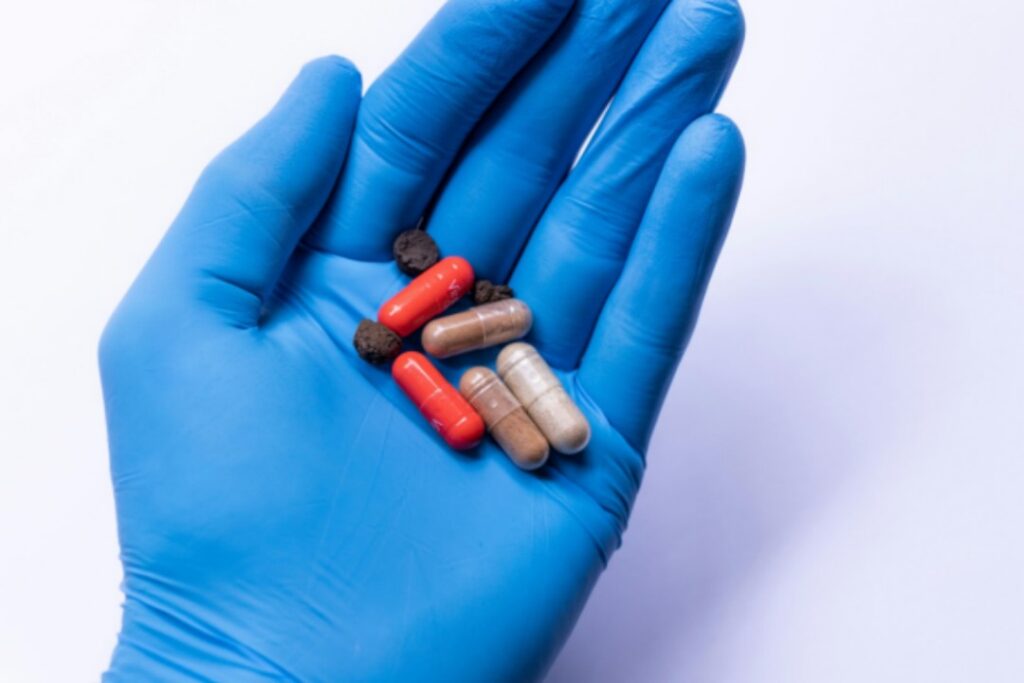
Person holding pills

2. Combined Estrogen and Progesterone Therapy

For women who still have their uterus, a combination of estrogen and progesterone is usually recommended. This combination reduces the risk of endometrial cancer that can result from estrogen alone.

3. Bioidentical Hormones

Bioidentical hormones are chemically identical to those the human body naturally produces. Marketed as being more ‘natural,’ these hormones are often custom-compounded for an individual’s specific hormonal needs, although FDA-approved bioidentical hormones are also available.

Delivery Methods

HRT can be administered through various methods, each with its pros and cons. The choice of delivery method depends on personal preference, specific symptoms, and medical advice:

Oral Pills: Common and convenient but may have more systemic effects and interactions.

Transdermal Patches: Applied to the skin, offering a steady release of hormones and less impact on the liver.

Topical Gels, Creams, or Sprays: Allow direct application and absorption through the skin.

Vaginal Rings, Tablets, or Creams: Specifically target vaginal and urinary symptoms with minimal whole-body effects.

Injections or Implants: Provide longer-term relief from symptoms but require visits to healthcare providers for administration.

Person trying to wear gloves  

Choosing the Best HRT for You

The decision to use HRT and choosing the right type involves careful consideration of several factors. Here are some steps to guide you through this process:

Step 1: Assess Your Symptoms

Understanding which symptoms are most bothersome can help determine the most appropriate form of HRT. For example, if you’re primarily dealing with vaginal dryness, localized treatments may be preferable over systemic therapy.

Step 2: Consider Your Health History

Your personal and family medical history plays a crucial role in determining whether HRT is safe for you. Factors such as a history of cancer, blood clots, liver disease, and cardiovascular disease can influence the suitability and type of HRT.

Step 3: Discuss Options with Your Healthcare Provider

Consulting with a healthcare provider who specializes in hormonal health is essential. They can offer guidance based on your medical history, current health status, and the latest research. Don’t hesitate to ask about the risks and benefits of each type of hormone and delivery method.

Step 4: Lifestyle and Alternative Therapies

Incorporating lifestyle changes such as diet, exercise, and stress management can enhance the effectiveness of HRT and overall health. Additionally, some may prefer to explore alternative therapies like phytoestrogens, acupuncture, or yoga, especially if HRT is not suitable due to health risks.

a hand holding different types of pills

Step 5: Monitoring and Adjustment

Once on HRT, regular follow-ups with your healthcare provider are critical. These check-ins are necessary to monitor the therapy’s effectiveness and adjust dosages or methods as needed based on your evolving symptoms and health.

Step 6: Review Continuously

The need for and appropriateness of HRT may change over time. Annual reviews of your hormone therapy are advisable to decide whether to continue, modify, or discontinue the treatment.

Are you ready to take control of your hormonal health with personalized care?

The team at RYZE specializes in hormone replacement therapy in South Carolina, offering tailored solutions for hormone therapy, estrogen dominance treatment, and testosterone therapy. Utilizing the latest in functional medicine in SC, they ensure your treatment aligns perfectly with your unique health needs. Discover a balanced, healthier you.

Explore their services.

The toss-and-wash technique remains a popular method among devoted Kratom users, offering a quick and straightforward way to ingest Kratom powder. Simply measure out your desired dose, toss it into the back of your throat, and chase it with a non-carbonated beverage of your choice. While it may take some getting used to, especially for newcomers, this method bypasses the taste buds on the tongue, making it preferable for those who dislike Kratom’s strong herbal flavor.

For a more palatable experience, consider mixing Kratom powder into smoothies, teas, or other beverages. Blending it with ice, fruit, and almond milk or vanilla soy milk can help mask the bitterness, creating a refreshing treat. Brewing Kratom tea is another option, although some users may find its benefits lessened in hot water. Adding sweeteners like honey, agave juice, or citrus juice can help balance out the taste.

Kratom capsules offer a convenient and discreet way to consume Kratom powder without having to deal with its taste. They can be taken anywhere and anytime, making them ideal for busy schedules or on-the-go use. You can even make your own capsules at home using an affordable capsule machine, allowing you to customize the dosage to fit your needs.

Incorporating Kratom powder into your food is another option to consider, although cooking or baking it may affect its potency. Mixing it into applesauce, yogurt, oatmeal, or pudding can help mask the taste, while experimenting with different recipes allows you to find what works best for you. Keep in mind that some Kratom strains may taste more bitter or herbal than others, so adjusting your mode of ingestion based on the strain can enhance your overall experience.

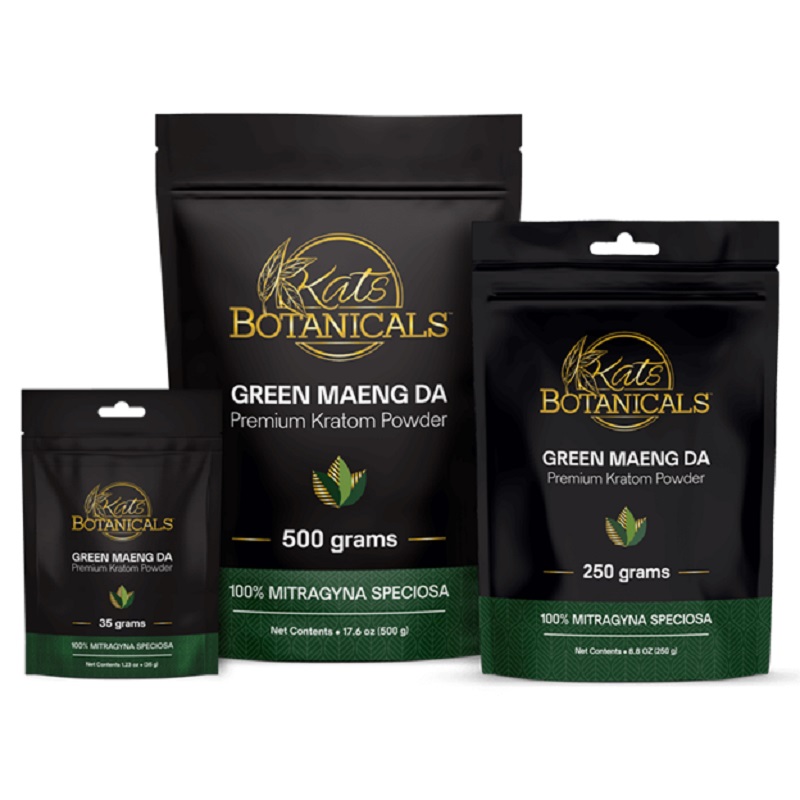
Whether you’re new to Kratom or looking to spice up your daily routine, there are plenty of methods to explore. At Kats Botanicals, we offer a variety of strains for you to try, each with its own unique flavor profile and benefits. From sweet Green Hulu Kapuas to smooth White Elephant, there’s something for everyone to enjoy.