
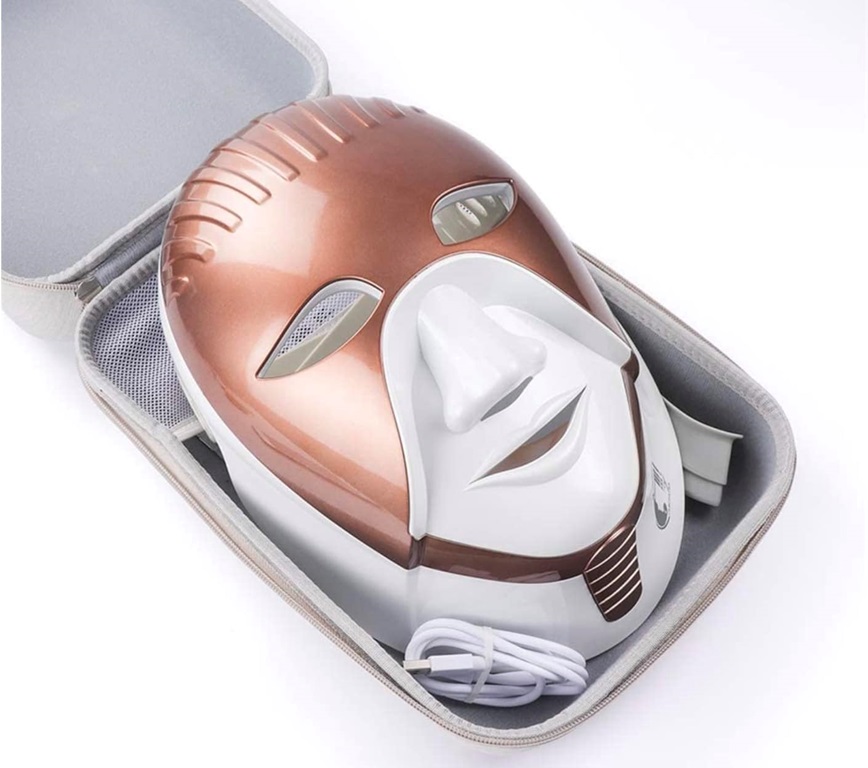
As a young woman who has struggled with inflammation and various skin issues for years, I have tried countless products and treatments in the hopes of achieving clear, glowing skin. From harsh topicals to expensive facials, nothing seemed to provide lasting results – until I discovered the Cleopatra LED Mask.
This innovative at-home device has been an absolute game-changer in my skincare routine. From the very first use, I could feel the mask working its magic. The combination of soothing LED lights penetrating my skin left me with an instant radiant glow.
Over the following weeks, my inflammation significantly reduced, and my complexion looked brighter and more even than it had in years. The Cleopatra LED Mask has truly transformed my skin, and I am excited to share my experience and insights with you.
What is Cleopatra Mask?
The Cleopatra Mask is a professional-grade LED light therapy device designed for home use. It is marketed as a versatile skincare tool that addresses various skin concerns, including anti-aging, acne, hyperpigmentation, and overall skin rejuvenation.
The mask covers both the face and neck, providing comprehensive treatment. It features a wireless design, making it convenient for users to move around during their treatment sessions. The mask is equipped with 192 LEDs and offers seven different light wavelengths, each targeting specific skin issues.
How Does It Work?
The Cleopatra LED Mask operates by emitting light in seven different wavelengths, each targeting specific skin issues. The mask includes the following light colors:
- Red Light (650-950nm): Red light penetrates the skin deeply, boosting circulation and encouraging collagen production, which helps in reducing signs of aging.
- Blue Light (450-495nm): Blue light has antibacterial properties that help in killing acne-causing bacteria, thereby preventing and reducing acne.
- Green Light (495-570nm): Green light helps in reducing pigmentation and balancing skin tone, making it effective for treating dark spots and uneven skin tone.
- Yellow Light (570-650nm): Yellow light is known for its detoxifying properties and helps in stimulating the lymphatic system, which aids in cell renewal and skin brightening.
- Purple Light (380-450nm): Purple light is a combination of red and blue light, offering both anti-aging and anti-acne benefits.
- Cyan Light: Cyan light is effective in calming inflamed skin and promoting healing, making it suitable for sensitive skin.
- White Light: White light penetrates deeper than red light, providing anti-inflammatory benefits and boosting skin metabolism.
These lights penetrate the skin at different depths, stimulating natural healing and rejuvenation processes. The mask’s wireless design and tap controls for changing settings enhance user convenience, allowing for a seamless skincare experience.
How to Use Cleopatra Mask
Using the Cleopatra LED Mask is straightforward and involves the following steps:
- Charge the Mask: Fully charge the mask using the provided USB cable. A green circular light will indicate when it is fully charged. Do not use the mask while it is plugged in.
- Insert Eye Protection: Place the provided eye protection in the eye slots to shield your eyes from the LED lights.
- Cleanse Your Face: Thoroughly cleanse your face to remove any makeup, dirt, or impurities.
- Power On the Mask: Flip the “ON” switch located at the top of the mask. Then, power on the mask by tapping the middle of the forehead with your palm.
- Select Light Setting: Choose the desired light color by tapping above the right eye (when looking at the mask). Each color targets different skin concerns.
- Adjust Power Level: Set the desired power level by tapping above the left eye (when looking at the mask).
- Fit the Mask: Adjust the straps to ensure the mask fits comfortably on your face and neck.
- Treatment Session: Use the mask for 15 to 30 minutes per session. For optimal results, it is recommended to use the mask consistently as per the guidelines provided.
- Power Off the Mask: After the session, power off the mask by tapping the middle of the forehead again and flipping the OFF switch at the top.
- Clean and Store: Wipe down the mask with a makeup wipe or a similar cleaning tool to maintain hygiene. Store the mask in the provided soft shell case when not in use.
The mask is generally safe for most users but should be avoided by individuals with a history of skin cancer, systemic lupus erythematosus, or conditions affecting the retina. Those using photosensitizing medications should also avoid using the mask.
Eye protection is crucial to prevent potential eye injury from the LED light.
Benefits of Using the Cleopatra LED Mask
The Cleopatra LED Mask offers a range of benefits, primarily through its use of different light wavelengths to target various skin concerns. Here are the main benefits associated with using the Cleopatra LED Mask:
- Anti-Aging: The mask enhances collagen and elastin production, which helps reduce wrinkles and fine lines, promoting deep layer rejuvenation.
- Skin Tone and Pigmentation: This LED mask can balance complexion, reduces oil secretion, and boosts radiance. It is particularly effective for treating dark spots and uneven skin tone.
- Healing and Scar Reduction: The yellow light from Cleopatra Mask can reduce redness, particularly from sun exposure, and helps with rosacea and skin texture. It also stimulates cell renewal and brightens the skin.
- Wireless Design: The mask is wireless, allowing you to move around freely during treatment sessions without being tethered to an outlet.
- Comprehensive Coverage: It covers both the face and neck, ensuring that these areas receive equal treatment.
- Adjustable Settings: Users can select different light colors and adjust the intensity to personalize their treatment.
Are There Any Side Effects?
- Eye Irritation and Damage: Prolonged exposure to the LED lights, especially without proper eye protection, can lead to eye irritation, pain, and in severe cases, potential retinal damage. It is crucial to use the provided eye protection or blackout goggles to prevent any harm to the eyes .
- Dryness and Irritation: Certain light wavelengths, such as green light, may cause skin dryness in some users. It is important to monitor skin reactions and adjust usage accordingly.
- Fit and Comfort: Some users have found the mask to be uncomfortable or ill-fitting, which can lead to pressure on the eyes or other parts of the face, causing discomfort.
- Malfunctioning: There have been reports of the mask malfunctioning after a period of use, which can affect its efficacy and potentially lead to inconsistent treatment results.
Is It Safe to Use the Cleopatra Mask?
Yes, the LED lights used in the Cleopatra Mask are non-heat producing, which minimizes the risk of burns or heat-related skin damage
Clinical studies have shown that there are no serious adverse events associated with the use of light masks, including the Cleopatra LED Mask, when used as directed.
Is Cleopatra Mask Legit?
Yes, the Cleopatra LED Mask is a legitimate skincare device. The mask is FDA-cleared, which means it has been reviewed and approved for safety and effectiveness.
LED light therapy is supported by scientific studies that show its effectiveness in stimulating collagen production, reducing acne-causing bacteria, and improving skin health. The Cleopatra Mask uses this proven technology to deliver real results.
The mask features 192 high-density LEDs that cover both the face and neck, providing extensive treatment. It offers seven different light wavelengths, each targeting specific skin concerns like wrinkles, acne, and inflammation.
Many users have reported positive outcomes, such as smoother skin, fewer pimples, and a more youthful appearance. These testimonials help build trust in the product’s effectiveness.
The mask is wireless and comes with user-friendly tap controls, making it easy to incorporate into daily routines. It also includes a stylish storage case, adding to its convenience.
Where to Buy Cleopatra Mask?
For those interested in the Cleopatra Mask, the best place to buy it is the official Cleopatra Mask store. They have a special discount available right now, but the price could go up soon.
I got my mask from the official store, and I couldn’t be happier. It arrived quickly, and the customer service was very helpful.