
Author

Roger Greene

Browsing

Addiction is a complex and devastating disease that not only affects the individual struggling with substance abuse but also has a profound impact on their relationships. Whether it’s with family members, friends, romantic partners, or colleagues, addiction can strain and damage relationships in various ways. Understanding the impact of addiction on relationships is crucial for both the individual in recovery and their loved ones. In this blog post, we will explore the ways in which addiction can affect relationships and discuss strategies for repairing and rebuilding these relationships, with a focus on the support available at Jagruti Rehabilitation Centre in Bangalore.

  1. Breakdown of Trust

One of the most significant impacts of addiction on relationships is the breakdown of trust. Substance abuse can lead to lies, deceit, and broken promises, eroding the trust that is essential for healthy relationships. As trust diminishes, communication breaks down, and the foundation of the relationship is undermined. Rebuilding trust takes time and effort and often requires the individual in recovery to demonstrate through their actions that they are committed to sobriety.

  1. Emotional Distance

Addiction can create emotional distance between individuals, as the focus shifts from the relationship to obtaining and using substances. The individual struggling with addiction may become emotionally unavailable or withdrawn, leaving their loved ones feeling isolated and disconnected. Over time, this emotional distance can strain the relationship and lead to feelings of resentment, anger, and frustration.

  1. Financial Strain

Substance abuse can also have a significant financial impact on relationships. The cost of supporting an addiction, coupled with potential legal issues and lost income, can lead to financial strain and instability. This can create tension and conflict within the relationship, as well as feelings of resentment and betrayal.

  1. Codependency

Codependency is a common issue in relationships affected by addiction. Codependent relationships are characterized by excessive reliance on each other for approval and a sense of identity. In the context of addiction, a codependent partner may enable the addict’s behavior by making excuses for them, covering up their substance abuse, or taking on responsibilities that should be the addict’s. Codependency can be damaging to both parties and can prevent the individual struggling with addiction from seeking help.

  1. Communication Breakdown

Effective communication is essential for healthy relationships, but addiction can hinder communication in various ways. The individual struggling with addiction may be in denial about their problem, making it difficult to have honest and open conversations. They may also be defensive or hostile when confronted about their substance abuse, further complicating communication. As a result, important issues go unaddressed, and the relationship suffers.

  1. Physical and Emotional Abuse

In some cases, addiction can lead to physical or emotional abuse within a relationship. Substance abuse can impair judgment and impulse control, leading to aggressive or violent behavior. Emotional abuse, such as manipulation, verbal attacks, and gaslighting, can also occur as a result of addiction. These behaviors can have long-lasting effects on the victim and the relationship as a whole.

  1. Isolation and Alienation

Addiction can lead to social isolation and alienation from friends, family, and community. The individual struggling with addiction may withdraw from social activities and relationships, preferring to spend time alone or with other substance users. This isolation can further strain relationships and contribute to feelings of loneliness and despair.

  1. Impact on Children

Addiction can have a particularly devastating impact on children in the family. Children of parents struggling with addiction are more likely to experience neglect, abuse, and instability. They may also be at higher risk of developing substance abuse issues themselves later in life. The impact of addiction on children can be long-lasting and profound, affecting their emotional, social, and cognitive development.

The impact of addiction on relationships can be profound, but with understanding, patience, and support, it is possible to repair and rebuild these relationships. By seeking professional help, setting boundaries, practicing self-care, and supporting the individual struggling with addiction in their recovery journey, you can strengthen your relationships and create a healthier, more supportive environment for everyone involved. Remember, recovery is a journey, and rebuilding relationships takes time and effort, but the rewards of a stronger, more resilient bond are well worth it. For professional support and guidance, consider reaching out to Jagruti Rehab Centre in Bangalore.

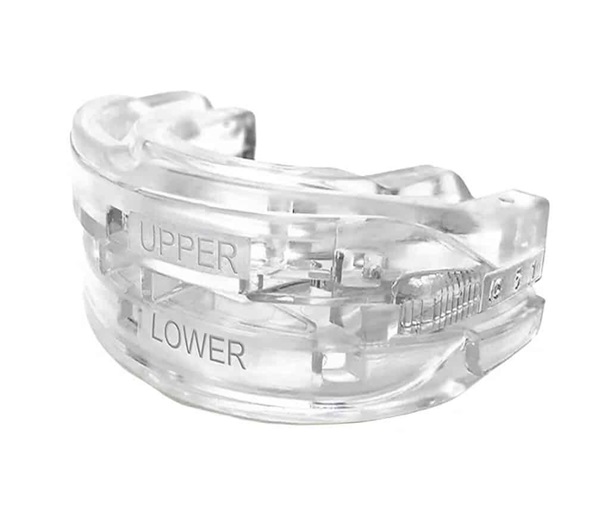
As a middle-aged man who’s been battling with snoring for years, I can’t tell you how many sleepless nights I’ve endured – not to mention the countless times my wife has nudged me awake or retreated to the guest room for some peace and quiet. 

I’ve tried everything from nasal strips to expensive pillows, but nothing seemed to do the trick. That’s when I stumbled upon the ZComfort Anti-Snoring Mouthpiece, and let me tell you, it’s been a game-changer.

I was skeptical at first – after all, I’ve been down this road before with other “miracle” solutions. But after giving the ZComfort a try, I can honestly say it’s made a world of difference in my sleep quality and, more importantly, in my relationship. No more groggy mornings or guilty feelings about keeping my wife awake. 

In this review, I’ll share my personal experience with the ZComfort mouthpiece and break down everything you need to know about this nifty little device that’s brought some much-needed peace and quiet back to our bedroom.

What is ZComfort?

ZComfort is an anti-snoring mouthpiece designed to help reduce or eliminate snoring by repositioning the lower jaw during sleep. It’s marketed as a comfortable, easy-to-use solution for those struggling with snoring issues.

How Does It Work?

The ZComfort anti-snoring mouthpiece works by gently advancing the lower jaw forward while you sleep. This slight repositioning helps to open up the airway at the back of the throat, which is often the source of snoring sounds. When the airway is more open, air can flow more freely, reducing the vibrations of soft tissues that cause snoring.

The device is made from a soft, flexible material that is designed to be comfortable to wear throughout the night. It features a patented design that allows for some jaw movement, which can help reduce discomfort compared to more rigid mouthpieces. The ZComfort is also adjustable, allowing users to find the right level 

of jaw advancement for their individual needs.

By addressing the root cause of snoring – the narrowing of the airway during sleep – the ZComfort aims to provide a more restful night’s sleep for both the snorer and their partner. However, it’s important to note that while many users report positive results, the effectiveness can vary from person to person.

How to Use ZComfort Anti-Snoring Mouthpiece

  1. Boil a cup of water using a microwave or stovetop.
  2. Submerge the ZComfort mouthpiece in the hot water for 30 seconds to soften the material.
  3. Remove the mouthpiece from the hot water using tongs or a utensil.
  4. Quickly dip the mouthpiece in cold water for 3 seconds to cool the surface slightly9.
  5. Place the mouthpiece in your mouth, ensuring it’s oriented correctly with the upper and lower jaw portions9.
  6. Bite down firmly while sucking in air to create a tight fit. Hold this position for 20 seconds9.
  7. Remove the mouthpiece and inspect it for a proper mold. If needed, repeat steps 2-6 to achieve a better fit9.
  8. Once satisfied with the fit, place the mouthpiece in cold water for about 1 minute to set the custom mold.
  9. Before using, clean the mouthpiece with cold water and a soft toothbrush.
  10. Insert the mouthpiece before going to sleep and remove it in the morning.

Remember, it may take a few nights to get accustomed to wearing the mouthpiece. If you experience prolonged discomfort or issues, consult with a healthcare professional.

The Pros and Cons of ZComfort Anti-Snoring Device

Pros:

  • FDA-cleared device, indicating safety and effectiveness
  • Made from medical-grade, BPA-free, and latex-free materials
  • Adjustable design to fit different mouth sizes
  • Allows for natural breathing through mouth and nose
  • Reported to reduce snoring in 91% of users in a study
  • 30-day return policy offered
  • Designed by dentists and backed by research

Cons:

  • Some users may experience initial discomfort or jaw soreness
  • A small percentage (less than 1%) reported fit issues
  • May not be effective for everyone, especially those with severe snoring or sleep apnea
  • Relatively expensive compared to some over-the-counter options
  • Requires regular cleaning and maintenance
  • Some customers reported shipping delays or issues with tracking information

Is ZComfort Legit?

Yes, the ZComfort Anti-Snoring Device is a legitimate product. The device has been cleared by the FDA, which means it has gone through testing to ensure it’s safe and does what it claims.

Dentists helped create the ZComfort, using their knowledge of mouths and jaws. This means it’s based on real dental science. The mouthpiece is made from safe, medical-grade materials that don’t contain harmful chemicals like BPA or latex. It can be adjusted to fit different mouth sizes, making it more likely to work for a wide range of users.

Many customers have reported that the device helped reduce their snoring and improved their sleep quality.

A study with 570 people showed that 91% of users saw big improvements in their snoring. This suggests the device works for many people.

The company also offers a 30-day return policy, which shows they stand behind their product.

Where to Buy ZComfort?

If you’re interested in buying the ZComfort anti-snoring mouthpiece, I strongly recommend ordering it from the official ZComfort store. They have a great discount going on right now, but the price might increase in the future.

I ordered mine from the official store, and I’m delighted with my purchase. The mouthpiece arrived quickly, and the customer service team was very responsive.

For individuals recovering from substance abuse, transitioning from a treatment facility back to everyday life can be challenging. This is where halfway houses become invaluable. If you’re considering halfway houses in Miami, understanding how these facilities help prevent relapse can aid in making informed decisions about recovery options.

1. Structured Environment

One of the primary ways halfway houses aid in relapse prevention is by providing a structured environment. This structure helps individuals transition from the highly regulated routine of a rehab facility to the less controlled environment of independent living. The rules and schedules in halfway houses offer stability and a sense of normalcy, reducing the risk of relapse.

2. Peer Support

Living with others who are also in recovery fosters a sense of community and mutual support. Halfway houses often emphasize peer support, where residents can share their experiences, challenges, and successes with each other. This camaraderie reduces feelings of isolation, which is a common trigger for relapse. The shared journey towards sobriety can be incredibly motivating and reassuring.

3. Accountability

Accountability is a critical component in preventing relapse. In halfway houses, residents are held accountable for their actions through regular drug tests, mandatory attendance at support meetings, and adherence to house rules. This accountability ensures that individuals remain focused on their recovery goals and are less likely to succumb to old habits.

4. Access to Resources

Halfway houses typically provide access to various resources that support recovery. These resources can include counseling, life skills training, job placement assistance, and educational programs. By equipping residents with the tools and skills needed for independent living, halfway houses help individuals build a foundation for a sober and productive life. For a deeper understanding of the function of halfway houses in rehabilitation, you can read this comprehensive guide.

5. Safe and Sober Environment

One of the most significant benefits of halfway houses is the safe and sober environment they provide. These facilities are free from substances, which helps residents avoid temptation and triggers. Living in such an environment reinforces the habits and behaviors necessary for maintaining sobriety and reduces the risk of encountering situations that could lead to relapse.

6. Gradual Reintegration

Halfway houses facilitate a gradual reintegration into society. This gradual process allows individuals to ease back into daily responsibilities, such as work, education, and family life, while still having the support of a structured living environment. This balance helps residents gain confidence in their ability to maintain sobriety while handling everyday stressors.

7. Development of Healthy Routines

Establishing and maintaining healthy routines is crucial for long-term recovery. Halfway houses encourage residents to develop consistent routines that include regular sleep patterns, balanced nutrition, physical activity, and attendance at support meetings. These healthy habits replace the destructive behaviors associated with substance abuse and contribute to overall well-being.

8. Professional Support

Many halfway houses employ professionals who specialize in addiction recovery. These experts provide ongoing support and guidance, helping residents navigate the challenges of early sobriety. The professional support available in halfway houses ensures that individuals have access to the help they need when facing difficult situations or decisions.

Conclusion

Halfway houses play a vital role in preventing relapse and promoting long-term recovery. The structured environment, peer support, accountability, access to resources, safe and sober living environment, gradual reintegration, development of healthy routines, and professional support all contribute to maintaining sobriety and reducing the risk of relapse. For individuals in recovery seeking a supportive and stable environment, halfway houses are an excellent option for continued progress toward a fulfilling life free from substance abuse. So, if you or someone you know is struggling with addiction recovery, consider the benefits of halfway houses in aiding successful rehabilitation.