Archive

June 2023

Browsing

No matter how daunting the thought of a total knee replacement may seem, it can provide freedom of movement and a healthier lifestyle. Oftentimes, when we think of an orthopaedic doctor, we imagine them as intimidating or frightening. However, today’s orthopaedic doctors in Singapore have tremendous experience and enthusiasm in helping their patients get access to top-notch medical care.

Consulting An Orthopaedic Specialist – What You Should Do First?

When making the decision to consult with an orthopaedic doctor to consider a knee replacement, there are several factors you should keep in mind. Don’t hesitate to ask your orthopaedic specialist about their credentials, which can be a great indicator of the quality of care you will receive. Additionally, the orthopaedic office should be organised, with a good system of communicating appointment information and any other relevant information.

Furthermore, you should also feel comfortable with the orthopaedic doctor’s answers to your questions and be clear on their plan for your treatment. You should understand what the procedure entails, and receive a clear explanation of the risks and benefits, as well as the expected timeline for your recovery. Many orthopaedic doctors in Singapore even provide educational materials such as patient handouts and illustrations to better explain the type of procedure you will be undergoing.

What Can You Expect from An Orthopaedic Doctor

It is well known that even the best doctors in the world can’t guarantee successful results, and the same is true for total knee replacement surgery. That is why it is essential that you are in the very best physical condition when it comes time for the operation. Eating a balanced diet and regular exercise are key components of being prepared for a total knee replacement surgery.

If you have existing medical problems such as diabetes, high blood pressure, or obesity, be sure to discuss this with your doctor and make sure they are being sufficiently managed before you consider an operation. Other issues such as psychological problems, kidney and other organ problems, or poor blood clotting should also be discussed with your orthopaedic specialist prior to the surgery.

Another important factor to consider is the type of surgery you will be undergoing. In Singapore, you have the choice between the partial knee and total knee replacement. Partial knee replacement is often the preferred option for people with less severe injuries, who mainly require a partial resurfacing of the joint instead of completely replacing it.

Total knee replacement surgery, however, replaces the entire knee joint both below and above the knee cap. This surgery is recommended for those with more serious injuries, arthritis or conditions caused by an infection. This procedure usually lasts between one and two hours while the patient is under general anaesthetic, and a specialised foot and ankle specialist is often called upon to help the orthopaedic doctor in complex cases.

Cost and Insurance Coverage
total knee replacement Singapore

It is advisable to ask the doctor about their fees, insurance plans, and other payment options before undergoing any orthopaedic procedures. Most orthopaedic doctors in Singapore are covered by insurance plans, but make sure to check with your insurance provider first to confirm the coverage.

Once you have confirmed the coverage, you should also ask the doctor if they provide discounts or payment plans for their services. This will help to reduce the overall costs of the treatment and make it more affordable. Ask questions about the doctor’s philosophy and treatment methods, and make sure they are willing to take the time to answer your questions and address your concerns.

Conclusion

No matter what type of surgery you decide to have, you can have peace of mind knowing that the orthopaedic surgery specialists in Singapore have decades of experience in the field and are committed to providing the highest quality medical care to all of their patients.

So when considering a total knee replacement in Singapore, keep in mind the factors mentioned here to ensure you will be going to the best orthopaedic doctor for your surgery. Be sure to discuss with your doctor all the options available to you and the expected timeline for your recovery. With the right orthopaedic doctor, you are sure to be on the path towards a more active, pain-free lifestyle! Visit Specialist Orthopaedic Centre for a reliable orthopaedic specialist!


Fertility treatment Singapore

In the quest for parenthood, many couples face challenges when it comes to conceiving. Fertility issues can be emotionally and physically draining, leading individuals to explore various options for treatment. Singapore, known for its advanced medical facilities, offers a wide range of fertility treatments. In the quest to unlock the gift of parenthood, a growing number of couples are embracing the power of traditional Chinese medicine (TCM) as a natural and holistic path to enhance fertility.TCM’s potential in Singapore has gained attention due to its long-standing history and effectiveness in promoting overall well-being. Let’s delve into the world of TCM and its role in fertility treatment.

Understanding Fertility Treatment in Singapore

Fertility treatment in Singapore has advanced significantly over the years, providing couples with numerous options to address infertility. In-vitro fertilisation (IVF) and intrauterine insemination (IUI), hailed as modern marvels of fertility treatment, have become trusted allies on the path to parenthood, unlocking the cherished dream of conception for countless couples. However, these treatments can be invasive, costly, and come with potential side effects. As a result, individuals are seeking alternative approaches that focus on natural healing and improving the body’s reproductive health.

Exploring TCM for Fertility

Traditional Chinese medicine, rooted in ancient Chinese practices, takes a holistic approach to healthcare. TCM views fertility as a reflection of overall health and well-being, emphasising balance and harmony within the body. By addressing underlying imbalances and restoring the body’s natural energy flow, TCM aims to enhance fertility naturally. In Singapore, TCM practitioners offer a range of treatments tailored to individual needs, including acupuncture, herbal medicine, dietary therapy, and lifestyle modifications.

Fertility Naturally

Acupuncture: Balancing the Body

Acupuncture, a cornerstone of TCM, involves the insertion of thin needles into specific points along the body’s meridians. This practice is believed to restore the flow of Qi (pronounced “chee”), the body’s vital energy, and promote overall well-being. When it comes to fertility, acupuncture can be beneficial in several ways. It helps regulate hormone levels, improve blood circulation to the reproductive organs, reduce stress and anxiety, and enhance the chances of successful conception.

Herbal Medicine: Nurturing Fertility

TCM’s herbal medicine plays a crucial role in fertility treatment. TCM practitioners prescribe herbal remedies tailored to each individual’s unique needs, aiming to rebalance the body and support reproductive health. These remarkable herbs have a profound effect, skillfully regulating menstrual cycles, promoting optimal ovulation, enhancing sperm quality, and ultimately boosting overall fertility. It is essential to consult a qualified TCM practitioner who can prescribe the appropriate herbal formula and monitor its effects.

Dietary Therapy: Nourishing the Body

Dietary therapy in TCM emphasises the importance of nourishing the body with the right foods to enhance fertility. TCM practitioners guide individuals on adopting a balanced diet that supports reproductive health. They encourage embracing a nourishing array of nutrient-rich foods, including vibrant fruits, crisp vegetables, wholesome whole grains, lean proteins, and nourishing healthy fats, while steering clear of processed foods, excessive sugar, and caffeine. A healthy diet can positively impact hormone balance, egg quality, sperm production, and overall reproductive function.

Lifestyle Modifications: Creating Optimal Conditions

In addition to acupuncture, herbal medicine, and dietary therapy, TCM emphasises the significance of lifestyle modifications for fertility enhancement. This includes managing stress levels, engaging in regular exercise, getting sufficient sleep, and avoiding harmful habits such as smoking and excessive alcohol consumption. TCM views these lifestyle factors as essential components for promoting overall well-being and increasing the chances of successful conception.

TCM’s Potential in Enhancing Fertility: A Natural Alternative

Traditional Chinese medicine’s potential in enhancing fertility naturally is gaining recognition in Singapore. As an alternative to conventional fertility treatments, TCM offers a holistic approach that addresses imbalances within the body, promotes overall well-being and aims to enhance fertility naturally. With practices such as acupuncture, herbal medicine, dietary therapy, and lifestyle modifications, TCM focuses on restoring balance and harmony within the body, ultimately supporting reproductive health.

Seeking TCM for Fertility: Finding a Qualified Practitioner

The growing interest in Traditional Chinese Medicine’s potential in enhancing fertility naturally has sparked a new wave of hope for couples struggling with infertility through the Infertility treatment in Singapore. TCM’s holistic approach, focusing on rebalancing the body, improving overall well-being, and supporting reproductive health, provides an alternative pathway for those seeking a natural and personalised approach to fertility enhancement.

Embracing Hope: TCM as a Complementary Approach to Conventional Care

If you are considering TCM for fertility, take the time to research and find a qualified TCM practitioner who specialises in reproductive health. Remember to approach TCM as a complementary therapy and work in partnership with your conventional healthcare provider to ensure a comprehensive and integrated approach to your fertility journey.

Don’t let fertility challenges dampen your hopes of starting or expanding your family. Explore the potential of traditional Chinese medicine in Singapore and take a step towards enhancing your fertility naturally. Visit Oriental Remedies Group’s website today!

Mouse models have revolutionized biomedical research, enabling scientists to study various human diseases and their underlying mechanisms in a controlled environment. Among these models, the B6-Dmd Del52 mouse model has emerged as a powerful tool for investigating Duchenne muscular dystrophy (DMD), a debilitating genetic disorder affecting muscle strength and function. In this article, we delve into the significance of B6-Dmd Del52 in understanding DMD and shed light on how this mouse model contributes to the development of potential therapeutic interventions.

Understanding B6-Dmd Del52:

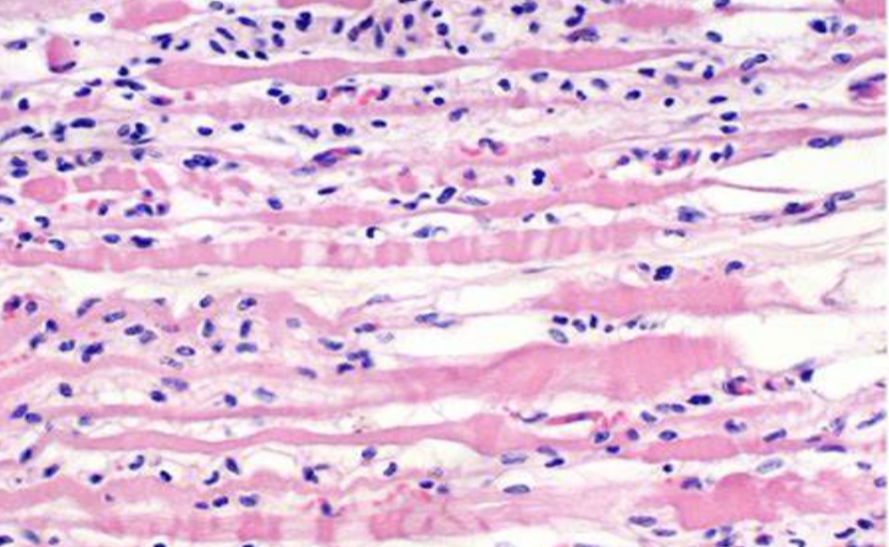
B6-Dmd Del52 is a genetically engineered mouse model designed to mimic a specific mutation found in human DMD patients. Duchenne muscular dystrophy is caused by mutations in the dystrophin gene, resulting in the absence or dysfunctional production of the dystrophin protein. The B6-Dmd Del52 mouse model carries a deletion of 52 exons in the dystrophin gene, causing a frameshift mutation that disrupts the reading frame and renders the protein non-functional. This mutation closely resembles the condition observed in DMD patients, making the B6-Dmd Del52 mouse an excellent representation of the disease.

Phenotypic Resemblance and Disease Progression:

One of the key advantages of the B6-Dmd Del52 mouse model is its phenotypic resemblance to human DMD. These mice display similar muscle weakness, wasting, and impaired locomotion observed in DMD patients. Furthermore, the B6-Dmd Del52 model exhibits a progressive disease course, which mirrors the gradual deterioration seen in humans with DMD. This allows researchers to track disease progression over time, facilitating a better understanding of the underlying pathological processes.

Exploring Disease Mechanisms:

The B6-Dmd Del52 mouse model serves as a valuable tool for unraveling the complex molecular mechanisms underlying DMD. By studying these mice, researchers can investigate how the absence of functional dystrophin affects muscle physiology, leading to muscle degeneration and weakness. They can examine the interactions between dystrophin and other proteins involved in muscle contraction and membrane stability. Furthermore, the B6-Dmd Del52 model enables investigations into the downstream effects of dystrophin deficiency, including inflammation, oxidative stress, and impaired regeneration processes.

Evaluating Therapeutic Interventions:

The availability of the B6-Dmd Del52 mouse model has significantly contributed to the development and evaluation of potential therapeutic interventions for DMD. Researchers can utilize these mice to test novel drugs, gene therapies, and other treatment strategies. By assessing the effects of interventions on disease progression, muscle function, and survival in the B6-Dmd Del52 model, scientists can gain critical insights into the potential efficacy and safety of these therapeutic approaches. This helps to inform the design and optimization of clinical trials in humans, ultimately advancing the field of DMD research.

Translational Potential:

The findings obtained from B6-Dmd Del52 mouse studies have direct translational potential, aiding in the development of therapeutic strategies for DMD patients. Researchers can identify promising interventions based on their effects in the B6-Dmd Del52 model and further investigate their efficacy and safety in preclinical studies. By bridging the gap between preclinical research and clinical applications, the B6-Dmd Del52 model accelerates the translation of scientific discoveries into potential treatments for DMD.

Collaborative Research and Future Directions:

The B6-Dmd Del52 mouse model has facilitated collaborative research efforts, bringing together scientists, clinicians, and industry partners. Collaborations allow for a multidisciplinary approach to DMD research, enabling the exploration of diverse therapeutic modalities and innovative strategies. Additionally, the insights gained from the B6-Dmd Del 52 model can guide the development of improved mouse models, incorporating additional genetic modifications or specific cell types, to further enhance our understanding of DMD.

Conclusion:

The B6-Dmd Del52 mouse model has emerged as an invaluable resource in the field of DMD research, shedding light on disease mechanisms and driving the development of potential therapeutic interventions. Through its phenotypic resemblance, disease progression, and the ability to evaluate various interventions, this model accelerates the translation of discoveries into clinical applications. As collaborative research continues to thrive, and with ongoing advancements in mouse modeling techniques, the future holds promising possibilities for unraveling the complexities of DMD and improving the lives of those affected by this devastating disorder.