
Category

Health

Category

Embarking on a fitness journey can feel daunting, especially with the pressure of gym memberships and specialized equipment. However, the truth is, you don’t need any of that to begin building strength and improving your overall health. Bodyweight exercises are a fantastic starting point, offering a convenient and effective way to engage your muscles and enhance your fitness levels right in the comfort of your home. These exercises utilize your own body weight as resistance, making them accessible to beginners of all fitness levels.

Mastering Foundational Movements

The key to a successful bodyweight workout lies in mastering fundamental movements. Squats, for instance, are a cornerstone exercise that targets your quads, glutes, and hamstrings. Remember to keep your back straight, chest up, and descend as if you’re sitting into a chair. Push-ups, another classic, engage your chest, shoulders, and triceps. If full push-ups are challenging, start with modified push-ups on your knees. Planks are excellent for core strengthening. Hold a straight line from head to heels, engaging your abs and glutes, and gradually increase the duration of your hold. These three exercises form a solid foundation for building strength and stability. Knowing the workout tips for beginners would be essential also.

Adding Variety for a Full-Body Workout

Building upon foundational exercises, incorporating variety is key to a comprehensive and effective workout routine. Lunges, a dynamic exercise, are excellent for engaging your leg muscles and glutes while simultaneously enhancing balance and coordination. For an added challenge, try incorporating walking lunges to further engage your muscles. To target your abdominal muscles and build a stronger core, integrate crunches and Russian twists into your routine. These exercises work different aspects of your abdominal region, contributing to overall core strength and stability. Focusing on your posterior chain, Superman exercises are ideal for strengthening your lower back. This exercise involves lifting your arms and legs simultaneously while lying on your stomach, promoting back health and stability. By including these variations, you’ll ensure a well-rounded workout that effectively targets all major muscle groups for optimal fitness.

Progressive Overload and Proper Form

As you get stronger, it’s crucial to progressively overload your muscles to continue seeing results. This can be achieved by increasing the number of repetitions, sets, or the difficulty of the exercise. For example, you can transition from knee push-ups to full push-ups. However, always prioritize proper form over quantity. Maintaining good form ensures that you’re targeting the correct muscles and minimizing the risk of injury. If you’re unsure about your form, consider watching videos or consulting with a fitness professional for guidance.

Consistent Effort for Lasting Results

The beauty of bodyweight exercises lies in their accessibility. You can do them anywhere, anytime, making it easier to incorporate them into your daily routine. Consistency is key when it comes to fitness. Aim for at least three bodyweight workouts per week, allowing for rest days in between. Start with a warm-up, such as light cardio and dynamic stretching, and end with a cool-down, including static stretching. With dedication and consistent effort, you’ll be amazed at the progress you can make with these simple yet effective no-equipment exercises.
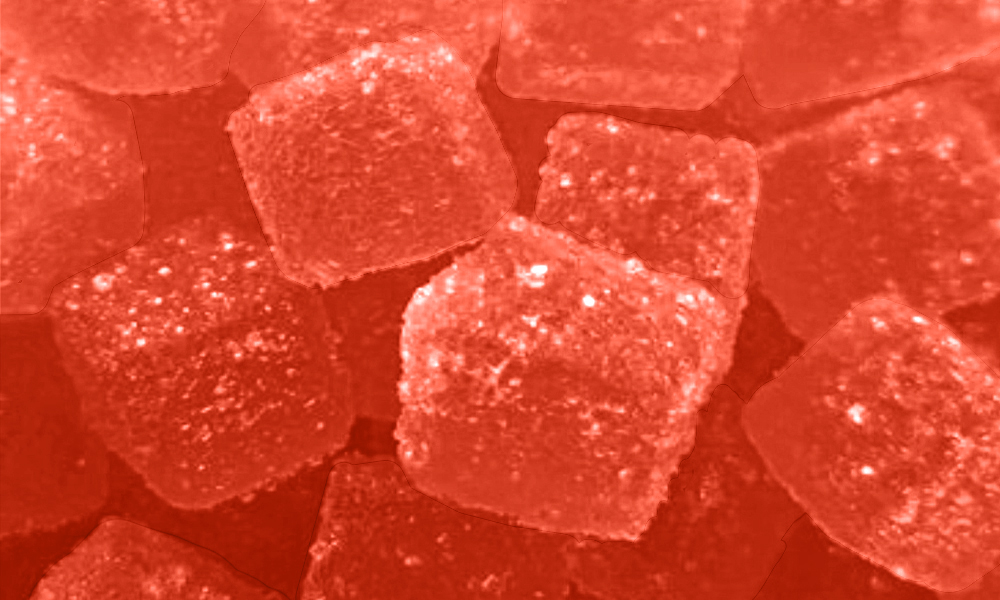

Gummies are often compared with tinctures by consumers seeking the best THC for their needs. These two distinct delivery systems represent fundamentally different approaches to cannabis consumption, each with unique characteristics that influence onset time, duration, and overall experience.

  1. best thc gummies are edible cannabis products that resemble traditional candy gummies in appearance and texture. They contain precisely measured amounts of cannabis extract infused into a gelatin or pectin-based candy. These chewable products come in various flavours, shapes, and potency levels, making them popular for their discretion, convenience, and consistent dosing. Manufacturers typically produce them by incorporating cannabis distillate or infused oils into the gummy base during production.
  2. THC tinctures, by contrast, are liquid cannabis extracts typically packaged in small bottles with dropper tops for precise dosing. These products consist of cannabis extracts dissolved in a carrier liquid, usually alcohol or MCT oil. Tinctures allow for sublingual administration, where drops are placed under the tongue for absorption through the oral mucosa, though they can also be swallowed or added to food and beverages.

How do tinctures work in the body?

When used sublingually as directed, tinctures bypass the digestive system through direct absorption into the bloodstream. The area beneath the tongue contains numerous blood vessels positioned close to the surface, creating an efficient absorption pathway when drops are held there for 60-90 seconds before swallowing.

This direct absorption method allows cannabinoids to enter circulation without first passing through the digestive tract and liver metabolism. Effects typically begin within 15-45 minutes, significantly faster than digestive processing. Bioavailability through this method ranges between 20-35%, meaning that this percentage of the THC consumed reaches active circulation.

Any portion of the tincture that gets swallowed rather than absorbed through oral tissues will be processed through the digestive system, similar to edible products. This dual-pathway absorption sometimes creates a two-phase effect profile, with initial sublingual effects followed by secondary digestive effects several hours later.

Digestive processing of edible products

Edible THC products like gummies follow an entirely different physiological pathway. After consumption, they travel through the complete digestive system before their active compounds reach circulation. This journey begins in the mouth, continues through the oesophagus to the stomach, and then proceeds to the small intestine, where most absorption occurs.

The absorbed THC then travels via the hepatic portal system to the liver, where it undergoes first-pass metabolism. By converting delta-9-THC into 11-hydroxy-THC, a more potent metabolite, delta-9-THC is converted into 11-hydroxy-THC. This metabolic conversion explains why edible experiences often feel more intense than other consumption methods at equivalent doses.

This extended digestive journey typically creates onset times ranging from 30-120 minutes, with full effects sometimes taking up to two hours to develop. However, this delayed activation comes with extended duration, with effects typically lasting 6-8 hours compared to the 3-4 hour duration familiar with tinctures.

Choosing the right option for your needs

When deciding between these consumption methods, consider your specific priorities regarding onset time, duration, and usage context:

  • For situations requiring relatively quick relief, tinctures offer significantly faster activation. This quicker onset allows for easier dose titration, as users can better gauge effects before deciding whether additional doses are necessary.
  • Gummies provide longer-lasting effects for extended relief without redosing, which may prove more suitable for sustained symptom management or recreational experiences. Their extended duration makes them particularly valuable for sleep support or all-day relief.
  • Personal preference regarding consumption experience also merits consideration. Some users prefer the familiar candy-like experience of gummies, while others appreciate the precise drop-by-drop control offered by tinctures.

Both delivery methods offer valuable benefits for different situations, and many experienced cannabis consumers maintain both options in their wellness toolkit.

Diabetic retinopathy is one of the leading causes of vision loss among people with diabetes. This condition occurs when high blood sugar levels damage the small blood vessels in the retina, leading to swelling, leakage, or abnormal blood vessel growth.

Without proper management, diabetic retinopathy can progress to severe vision impairment or even blindness. Fortunately, advancements in diabetic eye disease treatment have provided several effective options for managing this condition and slowing its progression.

Understanding Diabetic Retinopathy

Stages of the Disease

Diabetic retinopathy develops in stages:

  • Mild Non-Proliferative Retinopathy: Small areas of swelling in the blood vessels (microaneurysms) appear, leading to minor leakage.
  • Moderate Non-Proliferative Retinopathy: More blood vessels become blocked, reducing oxygen supply to the retina.
  • Severe Non-Proliferative Retinopathy: More significant blockage occurs, prompting the retina to create new, fragile blood vessels.
  • Proliferative Retinopathy: The most advanced stage, where abnormal blood vessels grow in the retina, leading to bleeding, scarring, and retinal detachment.

Early detection through regular eye exams is crucial in preventing severe complications.

Best Treatment Options for Diabetic Retinopathy

1. Blood Sugar and Blood Pressure Management

The foundation of treating diabetic retinopathy starts with controlling diabetes itself. Maintaining stable blood sugar levels through proper diet, exercise, and medication can slow disease progression. High blood pressure also worsens the condition, so keeping it in check with lifestyle changes or medication is essential.

2. Anti-VEGF Injections

One of the most effective treatments for diabetic macular edema (DME), a complication of diabetic retinopathy, is anti-vascular endothelial growth factor (anti-VEGF) therapy. Drugs such as ranibizumab, aflibercept, and bevacizumab are injected into the eye to reduce swelling and prevent new blood vessel growth. Many patients experience improved vision and reduced disease progression with this treatment.

3. Laser Therapy (Photocoagulation)

Laser treatment is another common approach for managing diabetic retinopathy. There are two main types:

  • Focal Laser Treatment: Targets specific leaking blood vessels to prevent fluid buildup.
  • Panretinal Photocoagulation (PRP): Treats a larger area of the retina to shrink abnormal blood vessels and prevent further damage.

Laser therapy helps slow vision loss, but it is most effective when performed in the early to middle stages of the disease.

4. Steroid Injections

Corticosteroid injections, such as dexamethasone implants, can help reduce inflammation and swelling in the retina. These treatments are often used in combination with other therapies, like anti-VEGF injections, for better results. However, steroid use may increase the risk of cataracts and glaucoma, requiring careful monitoring by an eye specialist.

5. Vitrectomy Surgery

In very advanced stages of diabetic retinopathy, where there is severe bleeding (vitreous hemorrhage) or retinal detachment, vitrectomy surgery may be necessary. This procedure involves removing the blood-filled vitreous gel and replacing it with a clear solution to restore vision. Vitrectomy may be a sight saving surgery in advanced disease.

Emerging Treatments and Future Innovations

Gene Therapy and Stem Cell Research

Research is ongoing to explore gene therapy and stem cell-based treatments for diabetic retinopathy. These approaches aim to repair damaged retinal cells and improve blood vessel function, offering potential long-term solutions for vision preservation.

Artificial Intelligence in Eye Care

AI-driven retinal screening tools are improving early detection and monitoring of diabetic retinopathy. These advancements allow for quicker diagnosis and personalized treatment plans, enhancing patient outcomes.

Choosing the Right Diabetic Eye Disease Treatment

Factors to Consider

The best treatment approach depends on several factors, including the stage of the disease, overall health, and response to initial treatments. Some patients may benefit from a combination of therapies, such as anti-VEGF injections followed by laser treatment.

Importance of Regular Eye Exams

Since diabetic retinopathy can develop without noticeable symptoms in its early stages, routine eye exams are critical. Eye specialists can detect changes in the retina before significant vision loss occurs and recommend timely interventions.

Conclusion

Diabetic retinopathy is a serious but manageable condition with the right treatment approach. From lifestyle modifications and medications to advanced therapies like anti-VEGF injections and laser treatment, there are multiple ways to slow disease progression and protect vision. Consulting an eye specialist for regular screenings and timely diabetic eye disease treatment is essential for maintaining eye health and preventing complications.