
Category

Health

Category

Motherhood brings profound physical and emotional changes, making it important to recognize how weight, heart health, and daily stress intersect. As your body adjusts postpartum, managing weight and supporting cardiovascular health can feel challenging, but both are vital for your long-term wellness and energy levels. The demands of parenting can add emotional and physical stress, potentially impacting your heart and metabolic health.

By understanding these connections, you can take small, meaningful steps to prioritize your well-being. Whether it’s through nourishing meals, light movement, or regular check-ins with your healthcare provider, addressing weight and heart health can support both your health and your role as a caregiver. Prioritizing your health is not just self-care—it’s part of building a strong foundation for your family’s future.

The Role Of Lactation Consultants In Breastfeeding

Lactation consultants offer crucial support for breastfeeding mothers, helping with challenges like latching issues, low milk supply, and discomfort. They also provide emotional encouragement, easing stress and building confidence. Their guidance supports both your baby’s health and your postpartum recovery, making them a valuable resource throughout your breastfeeding journey. For mothers transitioning back to work, access to specialized support becomes even more important, helping ensure continuity in breastfeeding goals and workplace comfort. According to Corporate Lactation Services (https://corporatelactation.com/), expert, individualized lactation support and workplace solutions can make a meaningful difference in empowering both moms and employers.

The Impact Of Postpartum Weight Gain

Postpartum weight gain is a natural part of recovery, but it can become a lingering concern for many new mothers. Hormonal shifts, lack of sleep, emotional stress, and a focus on caring for your baby often push personal wellness to the background. These factors can make it harder to return to your pre-pregnancy weight and may affect both your confidence and long-term health.

Seeking support from healthcare providers or nutrition experts can provide you with tailored, realistic strategies that fit your lifestyle and needs. Even small, sustainable habits—like gentle movement, balanced meals, and prioritizing rest—can make a meaningful impact over time. The key is to approach weight loss with patience and self-compassion, recognizing that your body has done something incredible and deserves care and respect during this transition.

Breastfeeding Demands And Maternal Health

Breastfeeding is a deeply rewarding experience, but it also places unique physical and emotional demands on mothers. Your body works hard to produce nourishing milk, which increases your nutritional needs and can impact your energy levels and overall health. Eating a well-balanced diet that includes plenty of iron, calcium, healthy fats, and hydration is essential to keep both you and your baby strong.

Working with a lactation consultant can ease many of the challenges that come with breastfeeding. These professionals provide personalized guidance on latching, positioning, milk supply concerns, and more, helping to prevent pain and frustration while boosting your confidence.

Balancing breastfeeding with the rest of motherhood’s responsibilities can be exhausting. That’s why it’s crucial to prioritize rest, accept help when offered, and take small steps to care for yourself each day. Supporting your well-being is not only beneficial for you—it directly impacts your ability to care for your baby with energy, presence, and joy.

Protect Your Heart With Prevention Strategies

Protecting your heart health during motherhood starts with simple, consistent habits that fit into your daily routine. Eating whole, nutrient-rich foods, staying physically active with enjoyable movement, and scheduling regular check-ups all play a vital role. These small steps help manage stress, support healthy blood pressure and weight, and keep you energized, so you can care for your family while caring for yourself. Incorporating preventive cardiovascular care into your routine, including screenings and lifestyle counseling, offers long-term protection and ensures your heart stays strong through every stage of motherhood.

Cardiovascular Strain During Motherhood

Motherhood brings immense joy, but it can also place added strain on your heart, both physically and emotionally. The constant juggling of caregiving, household responsibilities, and work can elevate stress levels, which in turn may affect your cardiovascular health. Chronic stress has been linked to high blood pressure and increased risk of heart disease, making it essential to prioritize your well-being.

Incorporating stress-reducing practices like yoga, meditation, deep breathing, or even short daily walks can help calm your nervous system and protect your heart. Regular check-ups with your healthcare provider are also important for keeping tabs on your blood pressure, cholesterol, and overall heart health.

Adopting heart-healthy habits—such as eating a balanced diet, staying physically active, and avoiding tobacco—can significantly contribute to maintaining cardiovascular strength. By caring for your heart, you’re not only supporting your long-term health but also ensuring you have the energy and resilience needed for the demands of motherhood.

How To Balance High-Pressure Life Stages

Balancing motherhood, career, and personal life is challenging, but with intentional strategies, it’s possible to find a sustainable rhythm that supports your well-being. Effective time management is key—prioritize tasks, set realistic goals, and don’t be afraid to delegate when possible. Creating a structured routine can reduce decision fatigue and free up space for moments of rest.

Equally important is practicing mindfulness. Simple techniques like deep breathing, meditation, or even a quiet walk can help you reset and stay grounded, especially during stressful times. These small acts of self-care have a powerful cumulative effect on your mental and emotional health.

Finally, lean on your support system. Whether it’s family, friends, or professional services, asking for help is a sign of strength, not weakness. Building a reliable network ensures you don’t have to carry every responsibility alone, allowing you to be more present, fulfilled, and balanced in every role you play.

Professional Support For Weight Loss: Why It Matters

With the many responsibilities of motherhood, seeking professional support for weight loss can be both practical and empowering. Healthcare providers offer personalized strategies that align with your unique health profile, lifestyle, and goals, making it easier to adopt changes that are both effective and sustainable.

Working with a professional means more than just receiving a diet or exercise plan—it’s about building a comprehensive, individualized approach. Experts consider your medical history, daily routine, and emotional well-being to create a plan that supports your long-term health. Regular check-ins provide accountability and allow for necessary adjustments, keeping you motivated and on track even when life gets hectic.

Importantly, professional support often takes a holistic view of wellness, addressing physical, emotional, and mental factors that influence weight. This well-rounded approach fosters lasting habits that can positively affect your entire family’s lifestyle, making the journey to better health more achievable and rewarding.

Targeted Support: Where To Find Help

Finding the right support is essential for managing the complex relationship between weight, motherhood, and heart health. Your healthcare provider is often the best starting point—they can assess your overall health and offer tailored guidance on managing weight and maintaining cardiovascular wellness. For breastfeeding and nutritional needs, lactation consultants and nutritionists provide expert, practical advice that aligns with your postpartum goals.

Beyond professional care, support groups and online communities offer connection and encouragement. Engaging with others who understand the unique challenges of motherhood can reduce feelings of isolation and provide valuable tips from real-life experiences. Together, these resources create a comprehensive support network that empowers you to build a healthier, more balanced lifestyle.

Conclusion: From Burnout To Balance

Finding balance after burnout starts with small, intentional steps. Postpartum weight gain, breastfeeding demands, and heart health challenges can feel overwhelming, but support is available. By working with healthcare providers and leaning on your support network, you can create a plan that prioritizes your well-being. Even simple changes—like mindful eating, gentle exercise, or asking for help—can restore energy and confidence. Remember, caring for yourself helps you care for your family, too.
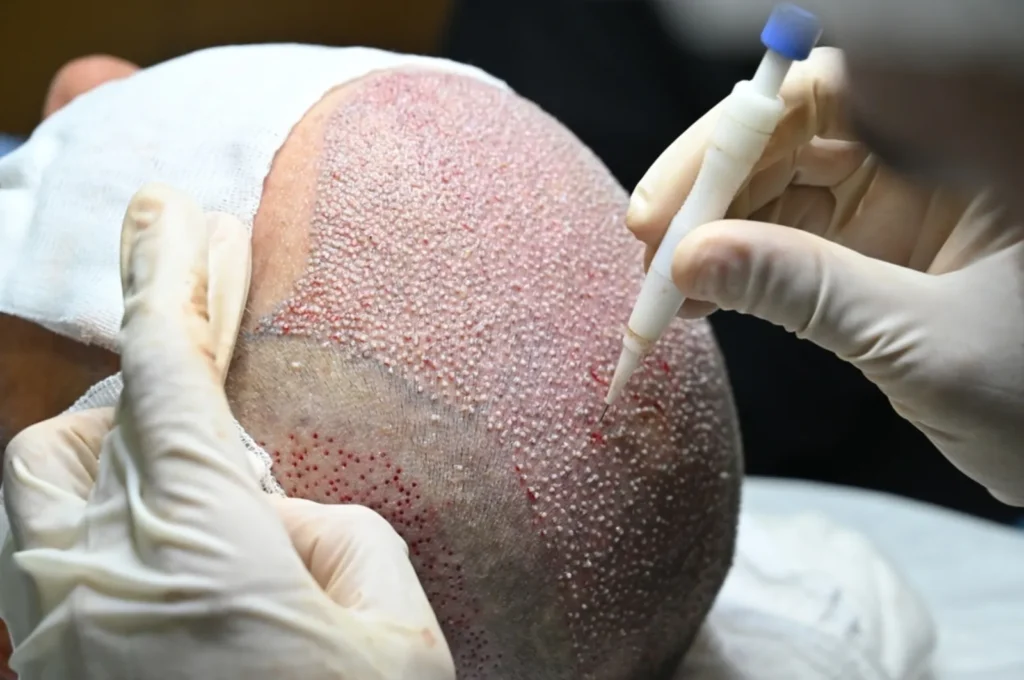
Hair restoration has shifted gears. No longer an attempt to choose between FUT or FUE, hybrid methods now work the game. The combination of FUT, FUE, and BHT is expected to lead. If you are seriously bald or very thinning and traditional methods have long outpaced your case, then this advanced graft blend is the mega solution your scalp has long been waiting for. 

Let’s break it down – and understand why this is causing a stir in Hair Transplant in India.

What Is the FUT + FUE + BHT Combination Technique?

Before we plunge into the combo, let’s quickly recap the workings of these techniques:

  • FUT (Follicular Unit Transplantation)

Also called the strip method, FUT involves the excision of a thin strip of scalp (generally from the back of the head) and dissecting the strip into individual follicular units; it lends itself to harvesting a large number of grafts within a single session.

  • FUE (Follicular Unit Extraction)

In this method, individual hair follicles are extracted directly from the donor area using a micromotor. This is a minimally invasive and scarless method useful for meticulous work such as hairline design and crown filling.

  • BHT (Body Hair Transplant)

BHT is a rescue technique whereby, when the viability of the scalp donor area is diminished, hair from other areas of the body (chest, beard, or even back) is harvested. It allows for a more liberal supply of grafts for those with advanced baldness or limited scalp areas. 

Why Combine All Three?

Short answer: Occasions when coverage, density, and naturalness are obtained in one go. Each of these techniques brings something different, and when they are applied in combination, they complement each other.

  • FUT gives you bulk.
  • FUE gives you finesse.
  • BHT gives you the backup.

Thus, the whole hybrid approach can prove particularly useful in Hair Transplant in India, where patients generally demand high-density results with minimal downtime and maximum graft survival.

How the FUT + FUE + BHT Combo Works: Step-wise Process

Step 1: Pre-Procedural Assessment

Your surgeon will examine:

  • Scalp donor area (for FUT + FUE)
  • Body donor areas (for BHT)
  • Graft requirement based on baldness grade
  • Hair texture, growth angles, and compatibility

Step 2: FUT Harvest

  • An incision was made in the occipital region under local anaesthesia, and a strip was raised. 
  • The area is closed with trichophytic closure to avert scarring. 
  • The grafts are dissected under a microscope for precision.

Step 3: FUE Extraction

  • Individual grafts are harvested from safe zones within the scalp donor area by means of a powered punch (usually 0.8-1 mm).
  • Such grafts are ideal for fine-tuning the frontal hairline and temples.

Step 4: Integrating BHT

  • Beard or chest hair is harvested using tools akin to FUE.
  • In respect of texture differences, body hair is preferentially utilised for mid-scalp or crown rather than the front. 

Step 5: Graft Implantation

Grafts from all sources will be strategically implanted:

  • FUT: crown/mid-scalp
  • FUE: hairline
  • BHT: filler zones

Step 6: Post-Operative Care

  • You will be given specific post-operative protocols for graft survival and healing.
  • Recovery will be around 7–10 days, with visible growth starting at around 3–4 months.

Who Can Undergo This Procedure?

This combo will not be for everyone; it is specially designed for:

  • Patients suffering from Grade 5+ baldness
  • Individuals having a restricted scalp donor area
  • Those who want maximum density coverage
  • Patients who need repair surgeries or corrections to previous transplants

If, therefore, you are someone who wants a heavy transformation in hair thickening, you should just hop onto this combo technique, especially with experts involved in a reliable clinic concerning advanced hair transplant in India.

Why It Deserves Such A Price

The combo does have more intensive measures; therefore, hair transplant cost in India will be higher compared to basic FUE or FUT. What you pay for is:

  • Higher graft count in one session.
  • Natural-looking, dense results.
  • Access to every viable donor source.
  • Minimal sessions required for complete coverage.

Consider it a one-time investment towards a lifetime of confidence.

Conclusion 

The FUT+FUE+BHT combo is not a treatment but a customised solution for advanced hair loss. Be it entire scalp coverage or correcting past transplants, this triple-threat technique offers precision, density, and durability like never before. 

Thinking about a transformative hair transplant here in India, never settle for either/or. Go hybrid. Go all in.

And do not forget to consider quality when the time comes for you to find out about your personalised treatment price. Because in hair restoration, expertise defines value-and that is precisely what drives your hair transplant cost in India.

While there is no cure for Alzheimer’s disease, growing research suggests that certain lifestyle changes may help slow its progression or lessen its effects. These healthy habits can support brain health, improve overall well-being, and help individuals with Alzheimer’s maintain independence for as long as possible. Whether you’re caring for a loved one or seeking ways to support your own cognitive health, these lifestyle changes are worth considering.

1. Stay Physically Active

Physical exercise is one of the most powerful tools for supporting both body and mind. Regular activity improves blood flow to the brain, reduces inflammation, and may slow cognitive decline. Studies have shown that aerobic exercises such as walking, swimming, dancing, or cycling can help preserve memory and thinking skills in individuals with Alzheimer’s.

For those with mobility challenges, even chair exercises, light stretching, or tai chi can offer benefits. The key is consistency — aiming for about 30 minutes of moderate activity most days of the week can make a meaningful difference.

2. Follow a Brain-Healthy Diet

What we eat has a direct impact on brain health. Diets rich in fruits, vegetables, whole grains, lean proteins, and healthy fats (like those found in nuts, seeds, and olive oil) are linked to better cognitive function. The Mediterranean and DASH (Dietary Approaches to Stop Hypertension) diets are frequently recommended for their brain-protective benefits.

Limiting processed foods, added sugars, and unhealthy fats can help reduce inflammation and support overall health. Cooking together, planning balanced meals, and eating mindfully can also provide opportunities for social engagement and routine.

3. Engage in Mental Stimulation

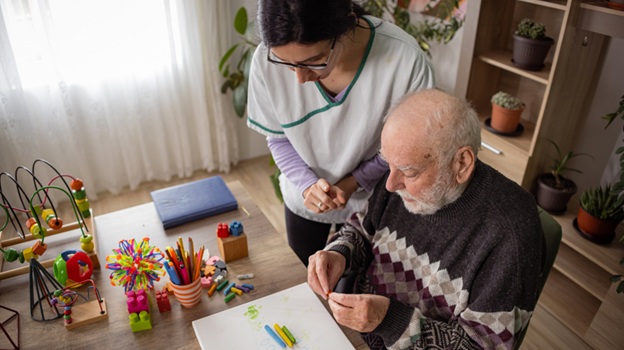
Keeping the mind active is just as important as keeping the body moving. Activities that challenge the brain — such as puzzles, reading, playing cards, learning new skills, or engaging in creative hobbies — help build cognitive reserve. This mental flexibility may slow the impact of Alzheimer’s on daily functioning.

Even small efforts, like trying a new recipe, listening to educational podcasts, or practicing a musical instrument, can help stimulate the brain. Structured group activities can also provide social interaction and a sense of accomplishment.

4. Prioritize Good Sleep

Sleep plays a critical role in memory consolidation and brain repair. Poor sleep, or conditions like sleep apnea, can accelerate cognitive decline and worsen Alzheimer’s symptoms. Creating a healthy sleep environment and routine — such as maintaining a consistent bedtime, limiting screen time before bed, and keeping the bedroom dark and quiet — can improve sleep quality.

If sleep problems persist, consulting a healthcare provider is essential. Proper treatment of sleep disorders may significantly improve quality of life for those with Alzheimer’s.

5. Stay Socially Connected

Social engagement has been shown to benefit brain health and emotional well-being. Staying connected with friends, family, and community activities can help lessen feelings of isolation and depression, both of which can contribute to faster cognitive decline.

Simple activities like sharing meals with loved ones, joining a hobby group, or attending community events can make a positive impact. In cases where individuals need support to stay engaged, companion caretakers for seniors can play a vital role by providing companionship and helping facilitate meaningful interactions.

6. Manage Stress and Emotional Health

Living with Alzheimer’s can be overwhelming and stressful, both for the individual and their loved ones. Chronic stress can negatively affect the brain and overall health. Relaxation techniques like deep breathing exercises, meditation, or gentle yoga can help reduce anxiety and promote calm.

Encouraging open conversations about feelings, seeking counseling when needed, and creating a structured daily routine can also provide emotional stability and lessen stress.

7. Promote Safety at Home

Adapting the living space can help individuals with Alzheimer’s maintain independence longer while reducing the risk of accidents. Simple changes such as adding nightlights, using labels on drawers and doors, removing trip hazards, and installing grab bars can make the home environment safer and more supportive.

A familiar, organized space helps reduce confusion and frustration, making daily activities more manageable.

While Alzheimer’s disease presents significant challenges, these lifestyle changes can help lessen its effects and support a better quality of life. By focusing on physical health, mental stimulation, emotional well-being, and a safe environment, individuals with Alzheimer’s can maintain greater independence and dignity. Families and caregivers, along with companions for seniors, can provide the necessary support to ensure these healthy habits become part of daily life.