Category

Health

Category

As a retired man who has struggled with snoring for many years, I know firsthand how disruptive it can be—not just for me, but for my loved ones as well. Snoring has affected my sleep quality, leaving me feeling tired and irritable during the day.

Over the years, I’ve tried various remedies, from nasal strips to special pillows, but nothing seemed to work effectively. That was until I discovered the SnoreShield Anti-Snoring Tongue Retainer.

In this review, I’ll share my personal experience with the SnoreShield, how it works, and why I believe it’s a game-changer for anyone dealing with snoring. This device has not only improved my sleep but also brought peace and quiet back to my household. If you’re looking for a reliable solution to your snoring problems, read on to find out why the SnoreShield might be the answer you’ve been searching for.

What is SnoreShield?

The SnoreShield Anti-Snoring Tongue Retainer is a device designed to alleviate snoring by maintaining the tongue in a forward position, thereby preventing it from obstructing the airway during sleep.

This device is particularly beneficial for individuals who suffer from snoring and mild cases of obstructive sleep apnea (OSA). Made from medical-grade silicone, the SnoreShield is designed to be comfortable, non-invasive, and easy to use, providing an effective solution for a quieter and more restful night’s sleep.

How Does It Work

The SnoreShield Anti-Snoring Tongue Retainer operates by utilizing gentle suction to hold the tongue in a forward position. This mechanism prevents the tongue from collapsing back into the throat, which is a common cause of snoring.

By keeping the airway open, the device reduces the vibrations of the airway tissues that produce the sound of snoring. The design of the SnoreShield ensures that the tongue remains in place without causing discomfort, allowing for an uninterrupted and restful sleep.

The device is similar to other tongue-retaining devices on the market, such as the CustMbite Snoring System and the QuietNights Tongue Retainer, which also use a suction mechanism to keep the tongue forward and the airway open.

These devices are effective in reducing snoring and improving sleep quality by addressing the root cause of snoring—airway obstruction due to the tongue’s position.

How to Use SnoreShield Anti-Snoring Tongue Retainer

Using the SnoreShield Anti-Snoring Tongue Retainer is straightforward and user-friendly. Here are the steps to properly use the device:

  1. Before using the SnoreShield, rinse your mouth with water to moisten it. This helps in creating a better seal and ensures comfort.
  2. Insert your tongue into the device’s sleeve. The SnoreShield is designed to fit comfortably around your tongue, regardless of its size.
  3. Gently squeeze the sides of the bulb to push out the air. This action creates a gentle suction that holds your tongue in a forward position. You do not need to push your tongue completely to the tip of the device; just enough to create a secure hold.
  4. Make sure the device is comfortable and that you can swallow easily. The SnoreShield is designed to allow for natural swallowing and minimal discomfort.

Wear the device throughout the night. The SnoreShield will keep your tongue in place, preventing it from falling back and obstructing your airway.

After use, clean the device thoroughly with warm water and mild soap. Ensure it is completely dry before storing it in a clean, dry place.

The Pros and Cons of SnoreShield Anti-Snoring Tongue Retainer

Pros:

  • Effective Snoring Reduction: The SnoreShield has been shown to significantly reduce snoring by keeping the airway open.
  • Non-Invasive: Unlike some other anti-snoring devices, the SnoreShield does not require any invasive procedures or adjustments to the jaw6.
  • Comfortable: Made from medical-grade silicone, it is designed to be comfortable for all-night wear.
  • Easy to Use: The device is straightforward to use, with simple steps for insertion and maintenance.
  • Suitable for Various Users: It can be used by individuals with dentures, braces, or dental implants, and those who experience jaw pain.

Cons:

  • Initial Discomfort: Some users may experience initial discomfort or difficulty swallowing when first using the device.
  • Potential for Dental Issues: Long-term use may lead to dental alignment issues or discomfort in some users.
  • Not Suitable for All Sleep Positions: Stomach sleepers may find the device protruding from the mouth uncomfortable.
  • Maintenance Required: Regular cleaning and maintenance are necessary to ensure hygiene and effectiveness.

Is SnoreShield Legit?

Yes, the SnoreShield Anti-Snoring Tongue Retainer is legitimate. Clinical studies and user testimonials have shown that tongue-retaining devices like SnoreShield are effective in reducing snoring and improving sleep quality.

Similar devices, such as the Good Morning Snore Solution, have received FDA clearance, which means that they meet safety and efficacy standards.

The use of medical-grade silicone ensures that the device is safe and comfortable for long-term use. Many users report significant improvements in their snoring and overall sleep quality after using the device.

In fact, sleep experts and healthcare providers often recommend tongue-retaining devices as a non-invasive alternative to more complex treatments like CPAP machines.

Where to Buy Snoreshield?

If you’re looking to purchase the Snoreshield Anti-Snoring Tongue Retainer, the best place to buy it is from the SnoreShield official retail store. They often have discounts available, making it a great time to buy. Keep in mind that prices may change, so it’s a good idea to act quickly.

I personally bought my Snoreshield from their official store and had a great experience. The product arrived within a week, securely packaged, and the customer service was top-notch!

Chronic pain and the signs of aging are increasingly prevalent among health enthusiasts—whether due to the natural progression of life, sustained from vigorous physical activity, or as a result of environmental stressors.

This intersection of conditions is often an unwelcome distraction, diminishing one’s quality of life and impeding the pursuit of health and wellness goals.

Adopting a Healthy Diet

Nutrition plays a pivotal role in managing both chronic pain and aging. A diet rich in anti-inflammatory foods, such as omega-3 fatty acids found in fish, antioxidants prevalent in berries, and polyphenols in green tea, can mitigate inflammation, a common culprit in pain and aging.

Conversely, sugary foods and trans fats should be avoided as they can exacerbate inflammation, ultimately leading to increased discomfort and acceleration of aging markers.

Explore the Benefits of Botox

While commonly known for its cosmetic applications, botox has therapeutic benefits in addressing certain types of chronic pain, such as migraines or neck and back pain. It works by preventing nerve endings from sending pain signals to the brain, effectively reducing discomfort.

Additionally, Botox has been shown to improve skin quality and reduce wrinkles, a bonus for those concerned with aging.

Consult with a Healthcare Professional

If chronic pain and aging continue to impact your life despite implementing these tips, it may be beneficial to consult with a healthcare professional.

They can provide tailored guidance and potentially recommend other treatments or therapies that can further alleviate pain and slow signs of aging. Everyone’s journey is unique, and what works for one person may not work for another.

Using Technology for Pain Management

Advancements in technology have opened new avenues for managing chronic pain effectively. A variety of apps and devices are now available to assist individuals in alleviating their discomfort.

For example, you can now purchase advanced hydrotherapy hot tubs that are designed to provide targeted relief by combining water therapy and heat, which can help improve blood circulation, reduce muscle tension, and alleviate pain.

Additionally, numerous mobile apps offer guided meditation, pain tracking, and customized exercise routines tailored to individual pain conditions. These technological solutions provide accessible and convenient ways to manage chronic pain, making them a valuable addition to any pain management plan.

Regular Exercise and Physical Activity

Physical activity is another crucial element in combating chronic pain and aging. Engaging in a tailored exercise regimen that includes low-impact activities such as swimming, cycling, or yoga can enhance flexibility, build strength, and improve joint mobility.

Furthermore, exercise stimulates the release of endorphins, natural pain relievers and mood elevators, offering a dual benefit to individuals contending with chronic pain and seeking longevity.

Stress Management Techniques

Stress exacerbates both chronic pain and aging by triggering inflammation and accelerating cellular damage. Techniques such as mindfulness meditation, deep-breathing exercises, and progressive muscle relaxation can serve as powerful tools to temper stress.

Regular practice of these stress management techniques can make a big difference. Mindfulness meditation involves focusing your attention on the present moment and accepting it without judgment. This can help you break the cycle of chronic pain by changing how you perceive it.

Deep-breathing exercises, such as inhaling deeply through your nose and exhaling slowly through your mouth, can instantly calm your nervous system.

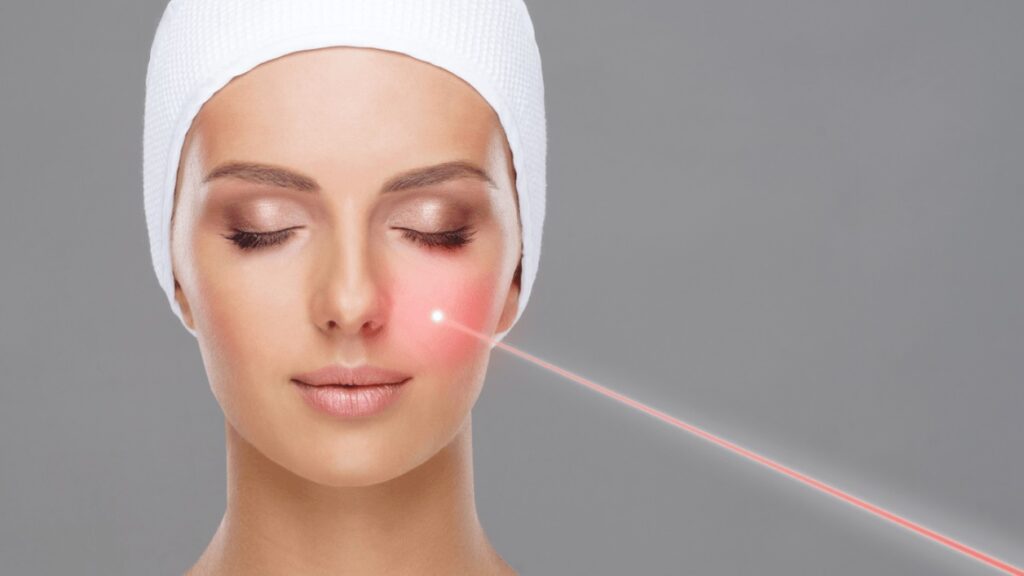
Ultherapy is an innovative, risk-free, and very successful ultrasonic procedure for lifting and tightening chest, neck, face, and chin skin. Using ultrasonic energy in Ultherapy allows for the natural lifting and tightening of the skin without surgery or downtime. Ultherapy uses micro-focused ultrasound with its visualisation technology to pinpoint problem regions.

As it travels through the dermis and hypodermis, ultrasonic waves cause friction and heat, creating coagulation depths, aiding collagen production, and facilitating tissue restoration. Tightening the skin is made possible by the production of collagen. This page will explore the Ulthera SPT price (ulthera spt ราคา, which is the term in Thai, and procedure.

Procedure For Ultherapy

In an ordinary Ultherapy session, clinics take the following steps:

The skilled specialist will assess your skin during the first consultation and discuss your aesthetic goals. They will assess your suitability for Ultherapy and develop a personalised treatment plan.

You will spend the day of the ultrasonic skin tightening treatment cleaning and preparing the targeted area. If needed, the practitioner will ensure you’re comfortable during the procedure by applying a numbing lotion.

To ensure an even energy distribution, your doctor will use ultrasonic imaging to view through your skin’s layers. This data can help them determine the best areas to target and the optimal intensity levels.

Concentrated ultrasonic energy is delivered to the skin’s treatment areas once the Ultherapy device has been applied. You could feel mild discomfort and heat while the power is delivered, but it’s usually bearable.

The areas that the surgeon will treat dictate how long the Ultherapy treatment will take. While most full-face treatments take 60–90 minutes, focusing on specific areas, such as the neck or brow, could take less time.

After therapy, you won’t need to take any time off work or rest; you can return to your routine. Tingling, redness, and swelling are possible side effects; however, they are usually temporary and disappear within a few hours.

What Is The Average Cost Of Ultherapy?

A full face and neck therapy treatment will cost $6,000, a lower face and neck treatment will cost $ 4000, and a mini-therapy treatment will cost $3,500. The exact amount could vary from city to city, but since it’s a one-time payment, you should expect it to be in the four-figure range. The average Ulthera SPT price of an Ultherapy procedure to tighten skin on the face is between $5,000 and $57,000.