Category

Health

Category

Time-honoured wellness customs continue shaping mindful bodywork experiences rooted in cultural wisdom today. Gentle pressure, rhythmic movement, and guided breathing form pathways toward inner calm. Skilled touch encourages harmony between physical comfort and emotional steadiness. Sacred teachings influence movements passed through generations with care. Visitors often feel grounded through intentional sessions focused on balance. Within this context, thai massage and spa rituals symbolize respect, patience, and restorative human connection.

Roots of Traditional Thai Bodywork

Classical techniques evolved through spiritual study, healing touch, and mindful observation of human energy. Movements mirror yoga-moved gives paired with controlled pressure along energy lines. Experts train widely to understand structure and subtle body responses. This devotion preserves validity while nurturing relaxation and bodily awareness.

Mindful Techniques Supporting Whole Body Balance

Intentional breathing guides rhythmic compression across muscular and energetic pathways.

  • Postural alignment encourages natural flexibility through assisted stretching movements.
  • Palmar pressure stimulates circulation while maintaining steady, controlled body contact.
  • Slow transitions allow muscles to release tension without sudden discomfort.
  • Focused attention supports calm mental states during physical manipulation sessions.
  • Traditional floor-based positioning enhances therapist leverage and client comfort.
  • Energy line awareness directs pressure placement for restorative internal balance.

Consistent pacing promotes relaxation responses throughout the entire treatment duration.

Cultural Influence on Healing Touch

Mystical attitude shapes respectful interaction between practitioner and recipient. Sessions begin with calm intention, reinforcing trust and attentiveness throughout the experience. Ritual gestures honor lineage while creating welcoming atmospheres. These influences transform physical care into meaningful restorative practices.

Sensory Environment Enhancing Relaxation Outcomes

Ambient elements such as lighting, aroma, and sound influence physical receptivity. Soft textures and natural materials foster emotional ease during treatments. Quiet surroundings allow focus on breath rhythms and bodily sensations. These details collectively deepen the restorative experience.

Wellness Journeys Through Purposeful Care

Thoughtful wellness journeys emphasize intention rather than routine service delivery. Personalized attention encourages comfort while honouring individual needs and boundaries. Within immersive settings, thai massage and spa experiences promote renewal through attentive human-centered practices. Such journeys often inspire lasting appreciation for mindful self-care traditions.

Comparing Traditional and Contemporary Wellness Approaches

Traditional practices emphasize lineage, ritual, and energy awareness over mechanical efficiency.

  • Modern adaptations focus on convenience, standardized timing, and broader accessibility.
  • Some contemporary settings integrate ancient methods with modern comfort features.
  • Understanding distinctions helps individuals select experiences aligned with personal wellness values.

FAQ on Creative Consultation and Design Services

1. How does a custom art curation firm approach project discovery and concept alignment?

    Initial consultations assess space identity, audience, and emotional storytelling goals.

2. What role does a design firm play during early creative planning stages?

     They translate abstract ideas into cohesive visual and spatial strategies.

3. How are artists selected within curated commercial interior projects?

    Selections consider narrative relevance, scale harmony, and long-term visual impact.

4. Why involve a design firm before sourcing artwork pieces?

     Early involvement ensures seamless integration between architecture, art, and function.

5. How does custom art curation support brand-driven environments effectively?

     Curated pieces reinforce messaging while creating memorable experiential touchpoints.

Enduring Wisdom Within Restorative Practices

Generational knowledge continues guiding intentional body-centered wellness experiences worldwide. Thoughtful touch, cultural respect, and mindful pacing define meaningful restorative care. These values encourage patience, awareness, and appreciation for human connection. Observing such practices reveals depth beyond surface relaxation.
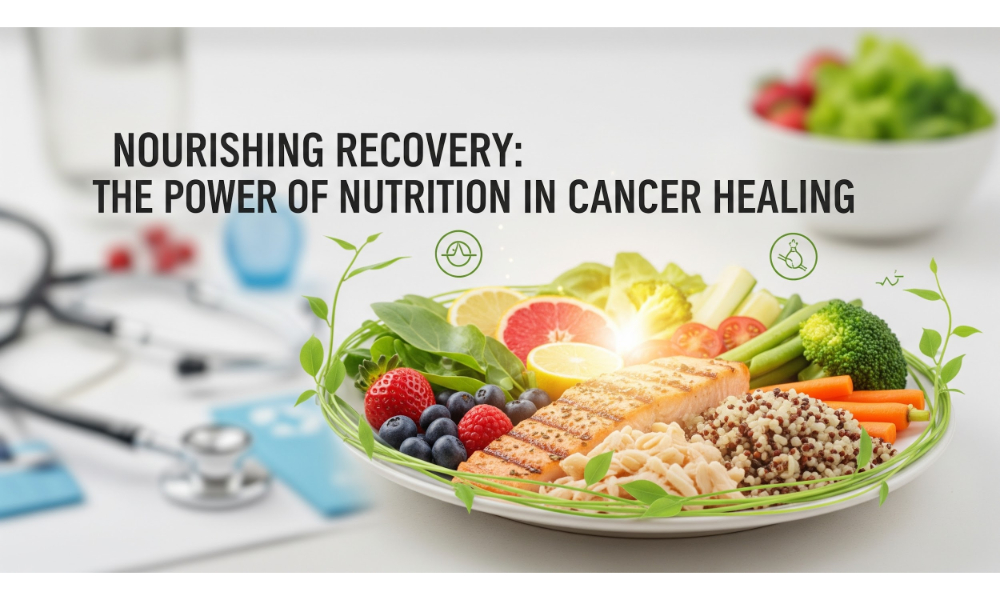

Introduction: Recovery Is More Than Just Finishing Treatment

For those who have faced sarcoma, completing chemotherapy, radiation, or surgery is a life-changing milestone. But recovery goes beyond clear scans—it requires rebuilding strength, eating well, and managing the lingering side effects of treatment. Oral health, specialized cancer follow-up, and whole-body medical care each play a crucial role in helping survivors eat comfortably, regain energy, and protect long-term wellness.

How Sarcoma Treatment Affects the Mouth and Nutrition

Sarcoma therapy, especially in the head, neck, or bone areas, can affect teeth, jaws, and chewing ability. Even when treatment targets the limbs or torso, powerful drugs and radiation may cause:

  • Mouth sores or gum inflammation.
  • Tooth decay due to dry mouth or altered saliva.
  • Bone weakness in the jaw, especially in those treated for osteosarcoma.
  • Difficulty chewing or swallowing, leading to poor nutrition.

When survivors cannot chew comfortably, they may avoid nutrient-rich foods like meats, vegetables, or nuts, relying instead on soft, processed foods that provide fewer vitamins and less protein for healing.

The Role of Dental Care in Post-Cancer Healing

Dental providers play a critical part in restoring function after sarcoma treatment. Specialists at practices like Pine Desert Dental can evaluate damage and recommend targeted interventions such as:

  • Oral surgery to remove damaged teeth, restore jaw alignment, or repair areas weakened by cancer therapy.
  • Custom prosthetics or implants to improve chewing and nutrition.
  • Preventive strategies for those with lingering dry mouth or gum sensitivity.

These treatments do more than repair smiles—they help survivors eat a balanced diet again, which is essential for regaining energy and rebuilding the immune system.

Specialized Cancer Follow-Up for Long-Term Safety

Even after active therapy ends, sarcoma survivors need ongoing monitoring. Centers like the Sarcoma Oncology Center provide expertise in osteosarcoma treatment and other rare bone and soft tissue cancers. Survivorship visits often include:

  • Advanced imaging to check for recurrence early.
  • Bone health evaluations for patients affected by surgery or long-term steroid use.
  • Monitoring for late effects like nerve pain or chronic inflammation.

This specialized oversight reassures patients and helps catch complications that might disrupt nutrition and recovery if left unaddressed.

Weight and Energy Challenges After Sarcoma

Treatment often disrupts metabolism and activity levels, causing either unintentional weight loss or weight gain. Both can impact healing:

  • Being underweight reduces muscle mass and immune strength.
  • Gaining weight can increase joint pain and fatigue, especially after orthopedic surgeries.

Primary care providers and oncology dietitians work together to stabilize weight safely, while dental care helps restore the ability to eat high-quality proteins and fibrous vegetables essential for recovery.

Practical Strategies for Eating Well After Sarcoma

Support Oral Comfort

  • Work with a dentist to treat sensitivity, decay, or jaw pain early.
  • Ask about oral surgery if chewing remains painful or difficult.

Balance Nutrition

  • Choose soft but protein-rich foods during early recovery (eggs, fish, yogurt).
  • Gradually reintroduce more fibrous options as chewing improves.
  • Stay hydrated, especially if dry mouth persists.

Monitor Overall Health

  • Schedule regular primary care visits to track blood pressure, cholesterol, and hormone levels.
  • Request referrals to nutrition counseling when appetite or energy is poor.

Whole-Body Care: Why Primary Medicine Still Matters

Cancer survivors also need a trusted primary care provider to manage general health beyond oncology. Practices like Blue Stone Health & Wellness integrate primary care with other supportive services, helping survivors:

  • Monitor blood pressure, heart health, and thyroid function after treatment.
  • Address digestive issues or medication side effects affecting appetite.
  • Coordinate with dental and oncology providers for safe procedures.

A strong primary care foundation ensures that patients aren’t left navigating complex post-cancer needs alone.

Case Example: Rebuilding Health Through Coordinated Care

A 28-year-old woman, one year post-osteosarcoma treatment, struggled with jaw pain, poor appetite, and fatigue. Her oncologist referred her to a dentist, where oral surgery corrected damage from previous radiation and improved chewing. At the same time, she re-established care with Blue Stone Health & Wellness to monitor thyroid changes and guide safe nutrition for regaining lost weight. Continued follow-up ensured her cancer surveillance stayed on track. Over months, she regained muscle, improved her diet, and felt energized enough to return to work and exercise.

Mental and Emotional Health: A Key Part of Recovery

The transition from active treatment to survivorship often brings unexpected stress. Anxiety about recurrence, frustration over slow healing, and changes to body image can affect appetite and energy. Primary care providers and cancer centers can connect survivors with counseling or support groups, helping them rebuild confidence and stay motivated to care for their overall health.

Why Integration Matters

Addressing only one part of recovery—such as oncology or nutrition—may leave major needs unmet. Survivors with chewing pain can’t benefit from healthy diets. Weight management fails if underlying jaw or hormonal issues persist. Likewise, dental work without coordination may be unsafe if cancer therapy has weakened bones or immunity. When oncologists, dentists, and primary care providers work together, survivors heal faster and avoid setbacks.

Prevention: Staying Ahead of Long-Term Issues

  • Schedule dental evaluations before and after sarcoma treatment.
  • Ask oncologists about potential oral side effects early.
  • Maintain primary care visits for metabolic and cardiovascular monitoring.
  • Eat a protein-rich, anti-inflammatory diet to support tissue healing.
  • Seek help for persistent fatigue or mood changes to prevent isolation.

These proactive steps help survivors maintain energy and reduce the risk of delayed complications.

Conclusion: Nourishment Is More Than Food Alone

Recovering from sarcoma takes more than finishing treatment; it requires restoring the ability to eat well, balancing metabolism, and protecting overall health. Dental experts like those at Pine Desert Dental can perform oral surgery or restorative work so survivors can enjoy a full, nourishing diet again. Specialized follow-up at the Sarcoma Oncology Center keeps rare cancer care on track, while primary care support from practices ensures ongoing wellness beyond oncology. Together, this whole-body approach helps survivors rebuild strength, energy, and confidence for life after cancer.

Why Hormones Matter for Whole-Body Wellness

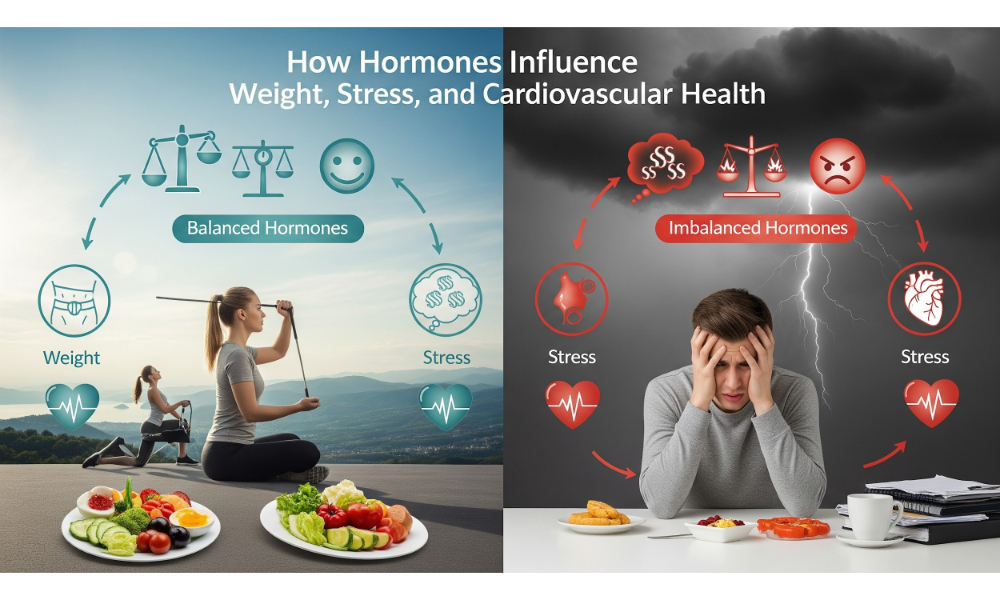
Metabolism, stress, and heart health often seem like separate concerns. Yet all three are deeply influenced by hormones. When testosterone, thyroid, and stress hormones fall out of balance, the body burns fewer calories, gains fat more easily, and struggles to maintain steady blood pressure and healthy arteries. Exploring how an HRT clinic evaluates and optimizes hormones—while pairing this with weight management and urgent care support—shows how men and women can stay healthier at every stage of life.

Hormones and Metabolism: The Energy Blueprint

Hormones act like a control center for how efficiently the body uses fuel. Low testosterone, for instance, can lead to:

  • Loss of lean muscle, lowering calorie burn.
  • Slower fat metabolism, especially around the midsection.
  • Decreased motivation and stamina for exercise.

A clinic such as Lions OpTimal Health uses comprehensive testing to identify these imbalances. When medically indicated, hormone replacement therapy can help restore energy, improve muscle composition, and make sustainable fat loss easier. Correcting hormone levels can mean the difference between yo-yo dieting and long-term weight control.

Stress Hormones and Their Wide-Ranging Impact

Cortisol—the body’s primary stress hormone—keeps you alert and responsive in short bursts. But chronic elevation causes problems such as:

  • Abdominal weight gain.
  • Higher blood pressure and cholesterol.
  • Sleep disruption and chronic fatigue.

An HRT clinic looks at these patterns to create a plan for better stress management. This may include hormone balancing, lifestyle counseling, and strategies to reduce cortisol spikes. Regulating stress hormones doesn’t just improve mood and energy; it also protects heart health over time.

Cardiovascular Health: The Hormone Connection

Hormonal changes subtly affect the heart and blood vessels. Low testosterone or disrupted thyroid levels can lead to:

  • Stiffer arteries and higher blood pressure.
  • Rising cholesterol and triglycerides.
  • Decreased exercise tolerance, which worsens heart risk.

Balancing hormones doesn’t replace cardiology care, but it supports lifestyle interventions such as exercise and diet to protect cardiovascular strength. For adults experiencing chest discomfort, shortness of breath, or other urgent symptoms, walk-in clinics such as Carolina Urgent Care provide fast evaluation and connection to higher-level cardiac care when needed.

Why Weight Management Must Be Personalized

Trying to lose weight with generic plans often fails when hormones are off. A medical weight loss clinic, such as PhySlim, can customize care by:

  • Running metabolic panels to uncover why fat loss stalls.
  • Prescribing safe, evidence-based weight loss medications when needed.
  • Designing low-impact fitness programs that don’t aggravate back, knee, or heart concerns.
  • Guiding anti-inflammatory nutrition to reduce pain and fatigue.

When weight loss is aligned with hormonal support, patients see faster progress and better energy, making it easier to exercise and maintain a healthy heart.

The Comprehensive HRT Clinic Approach

Modern HRT clinics go far beyond prescribing hormones. A strong program often includes:

  • Full diagnostic labs: Testosterone, thyroid, cortisol, and insulin levels.
  • Tailored hormone therapy: Adjusted over time to avoid over- or under-treatment.
  • Nutrition and exercise planning: Matching metabolism to the right activity and food choices.
  • Ongoing monitoring: Regular check-ins to ensure safety and progress.

This model often coordinates with other services: urgent care for acute issues and specialized weight programs for long-term success.

Signs It May Be Time to Seek Help

Many adults dismiss early hormone and metabolic changes as “just aging.” Red flags that warrant evaluation include:

  • Rapid, unexplained weight gain or loss of muscle.
  • Persistent fatigue even after rest.
  • Elevated stress, anxiety, or mood swings.
  • Rising blood pressure or cholesterol despite healthy habits.
  • Poor exercise recovery or new heart-related symptoms.

Addressing these early helps avoid more serious cardiovascular or metabolic complications.

The Role of Urgent Care in a Whole-Body Plan

While HRT and weight management are long-term solutions, life doesn’t wait. Sudden chest discomfort, dizziness, or unexplained shortness of breath should never be ignored. Clinics such as Carolina Urgent Care provide quick access to evaluation and testing—offering ECGs, blood pressure checks, and basic lab work to determine if immediate cardiology referral is necessary. This ensures patients on hormone therapy or weight programs stay safe if new heart symptoms arise.

Weight Loss and Hormones: A Synergistic Relationship

Hormone therapy alone isn’t a magic fix for weight, and dieting alone rarely succeeds when hormones are imbalanced. Working with a medical weight loss clinic such as PhySlim alongside an HRT program improves results because:

  • Balanced hormones make workouts more effective and sustainable.
  • Properly guided medication-assisted weight loss avoids metabolic crashes.
  • Improved body composition helps regulate insulin and cholesterol.

This synergy lightens the load on the heart and improves stamina for everyday life.

Lifestyle Foundations That Maximize Results

  1. Strength training: Builds muscle to enhance metabolism and protect the heart.
  2. Moderate cardio: Walking, cycling, or swimming improves vascular health without overtraining.
  3. Balanced nutrition: High-quality proteins, whole grains, fruits, and vegetables support metabolic health.
  4. Quality sleep: Restores hormones and heart resilience.
  5. Stress control: Breathing exercises, meditation, or therapy lowers cortisol.
  6. Regular checkups: Annual labs, heart screening, and weight monitoring help catch issues early.

Safety and Monitoring: Why Supervised Care Matters

Hormones directly impact the heart, metabolism, and mood. DIY therapies or unregulated supplements risk dangerous side effects, including blood pressure spikes and heart strain. A supervised HRT clinic carefully tracks lab values, adjusts doses safely, and collaborates with urgent care and primary providers to reduce risks.

Prevention: Staying Ahead of Decline

Proactive care beats crisis care. After age 35–40, adults should:

  • Test hormones if fatigue or stubborn weight gain appears.
  • Screen cholesterol, blood pressure, and heart health regularly.
  • Maintain steady activity levels and strength training.
  • Seek urgent evaluation for any chest discomfort or new cardiovascular symptoms.
  • Combine lifestyle efforts with professional guidance instead of self-managing complex issues.

Conclusion: Aligning Hormones, Weight, and Heart Health

Metabolic health, stress control, and cardiovascular strength are inseparable. Addressing hormone imbalances at a trusted clinic can unlock energy and weight control. Coordinating this with safe, customized care from a medical weight loss clinic like PhySlim and timely support from Carolina Urgent Care when urgent symptoms arise creates a powerful, protective approach. This combination helps adults lose weight safely, protect their hearts, and sustain long-term vitality.