
Author

Kylee J. Sturdivant

Browsing

From changes in the body due to weight gain or loss to pregnancy, there are many reasons why someone can develop stretch marks on their bodies. Despite being a common problem, having stretch marks on your body can affect your self-esteem.

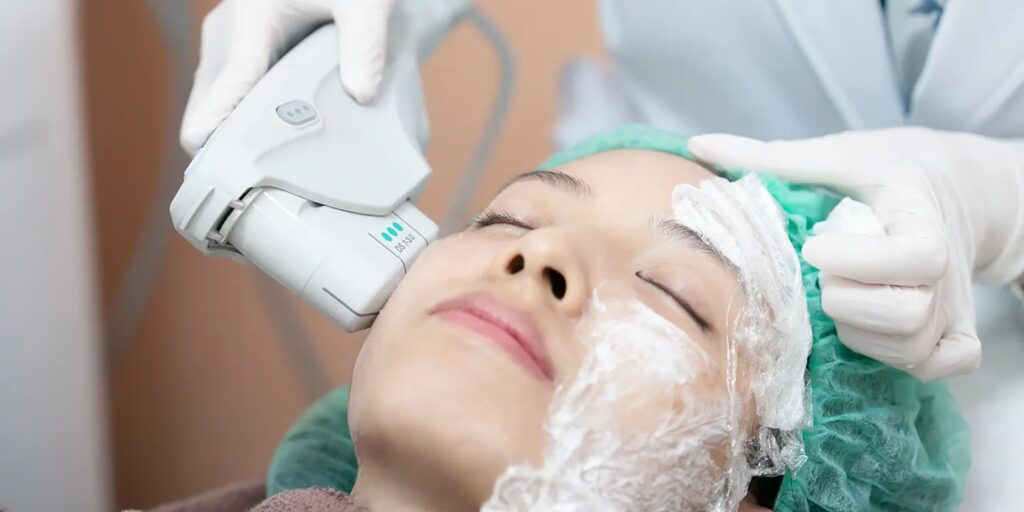
While preventing stretch marks is out of our control, there are laser treatments that give hope to many. So, is it true that laser treatments can help get rid of stretch marks? Let’s find out what an expert dermatologist in Delhi has to say!

Can Lasers Remove Stretch Marks?

No. Laser treatments cannot remove stretch marks, completely restoring the former appearance of your skin. Since there’s a permanent change in the upper layer of your skin, no amount of laser therapy or resurfacing will reverse it.

However, laser treatments help reduce the scars and make them appear lighter. It is effective in reducing the depth of the marks in the epidermis, reducing their visibility by 20 to 60%! So, if you have lighter stretch marks, you can consider opting for laser treatments after consulting an expert dermatologist.

How Does Laser Treatment Help with Stretch Marks?

Laser treatment consists of a red beam and infrared light that breaks down the scar tissue while boosting collagen and elastin production. This also boosts blood flow in the area, which helps reduce the visibility of the scars while enhancing the texture of your skin. When it comes to opting for laser treatment, it works best for those who have fresh stretch marks that have some redness.

Laser treatments aren’t best for those with more mature and white stretch marks. However, there is another laser resurfacing treatment available for those with mature stretch marks, but you should not expect complete skin restoration.

Number of Sessions Required for Laser Stretch Mark Removal

For visibly reduced stretch marks, you may have to undergo multiple sessions of laser treatments. It is estimated that the sessions can range from two to over twenty. Furthermore, it takes around 30 to 90 minutes per session. However, the number of sessions and duration depend on the condition of your skin.

Individuals with major stretch marks might have to undergo over two dozen laser treatment sessions spanned over multiple weeks. And, to keep your skin flawless, you might even need to go through a few laser treatment sessions down the road.

Is laser stretch mark removal painful?

No. Laser treatments for stretch mark removal are not painful; however, you may experience discomfort during the session. The sensation felt during the treatment resembles the burning sensation felt during sunburns, which may be followed by some swelling. That is why dermatologists in Delhi recommend using numbing cream before and after the laser treatment.

Some instructions that must be followed during the laser treatment

After undergoing the laser treatment, one should strictly follow the instructions for quick healing and better results, and these include:

  • Avoid exposing your skin to the sun.
  • Try to avoid waxing or applying chemical peels to the area that has been treated.
  • Do not consider collagen injections for at least the next two weeks.
  • Strictly prohibit the use of deodorant or perfume, as they can irritate the skin.
  • Avoid taking herbal medicines, aspirin, or anti-inflammatory drugs, as they can increase the risk of bleeding.

Laser treatment in Gurgaon can offer hope to individuals seeking to reduce the appearance of stretch marks. Consulting with a dermatologist experienced in such treatments can provide personalized advice and guidance for those considering this option.

Conclusion

Even though controlling stretch marks is not possible, especially during pregnancy, teenage growth, and hormonal changes, you could take your chances if a reduction of 20 to 60% works for you.

Ensure you consult your dermatologist in Delhi and get thoroughly examined, so you can make a better decision and get satisfactory results!

In the quest for youthful and radiant skin, dermal fillers have emerged as a revolutionary solution. These injectable treatments offer a non-surgical approach to restore volume, smoothen wrinkles, and enhance facial contours. If you’ve been wondering “What are dermal fillers and how do they work to improve the appearance of the skin?” you’re in the right place. Let’s delve into the world of dermal fillers to uncover their secrets and benefits.

What are Dermal Fillers and How Do They Work to Improve the Appearance of the Skin?

Dermal fillers, also known as soft tissue fillers, are gel-like substances injected beneath the skin’s surface to restore lost volume, smooth lines and wrinkles, and rejuvenate the overall appearance. They work by replenishing the natural substances that provide structure and volume to the skin, such as collagen and hyaluronic acid.

Understanding the Composition of Dermal Fillers:

Dermal fillers are composed of various substances, including hyaluronic acid, calcium hydroxylapatite, poly-L-lactic acid, and polymethylmethacrylate (PMMA). Each type of filler offers unique benefits and is suitable for different areas of the face.

Hyaluronic Acid Fillers:

Hyaluronic acid fillers are among the most popular options due to their natural compatibility with the body. These fillers attract water molecules, hydrating the skin and adding volume to areas such as the cheeks, lips, and nasolabial folds.

Calcium Hydroxylapatite Fillers:

Calcium hydroxylapatite fillers stimulate collagen production, providing long-lasting results. They are ideal for enhancing facial contours, restoring volume, and minimizing deep wrinkles.

Poly-L-Lactic Acid Fillers:

Poly-L-lactic acid fillers work by stimulating collagen production over time, resulting in gradual and natural-looking improvements. They are commonly used to treat facial volume loss and improve skin texture.

Polymethylmethacrylate (PMMA) Fillers:

PMMA fillers contain tiny microspheres suspended in a collagen-based gel. They create a matrix under the skin, supporting the production of new collagen fibers and providing long-lasting volume enhancement.

The Procedure:

The procedure for administering dermal fillers is relatively quick and minimally invasive. It typically involves the following steps:

  1. Consultation: During the initial consultation, a qualified healthcare provider assesses the patient’s concerns, discusses treatment goals, and recommends a personalized treatment plan.
  2. Preparation: The treatment area is cleansed, and a topical anesthetic may be applied to minimize discomfort during the procedure.
  3. Injection: Using fine needles or cannulas, the filler is injected into specific areas of the face to achieve the desired results.
  4. Post-Treatment Care: After the procedure, patients may experience mild swelling, bruising, or redness, which usually subsides within a few days. It is essential to follow post-treatment care instructions provided by the healthcare provider.

Benefits of Dermal Fillers:

Dermal fillers offer a myriad of benefits, including:

  • Non-Surgical Solution: Dermal fillers provide noticeable results without the need for surgery, anesthesia, or prolonged downtime.
  • Immediate Results: Patients can enjoy immediate improvements in facial volume, contours, and overall appearance.
  • Customizable Treatments: Treatment plans can be tailored to address specific concerns and achieve natural-looking results.
  • Long-Lasting Effects: Depending on the type of filler used, results can last from several months to several years, providing long-lasting rejuvenation.

Frequently Asked Questions (FAQs):

Q1: How long do dermal fillers last?

The longevity of dermal fillers varies depending on the type of filler used, the treatment area, and individual factors such as metabolism and lifestyle. Hyaluronic acid fillers typically last 6-18 months, while calcium hydroxylapatite fillers can last up to 12 months or more.

Q2: Are dermal fillers safe?

When administered by a qualified and experienced healthcare provider, dermal fillers are generally safe. However, like any medical procedure, they carry some risks, including bruising, swelling, infection, and allergic reactions. It is essential to choose a reputable provider and discuss any concerns during the consultation.

Q3: Can dermal fillers be reversed?

In some cases, hyaluronic acid fillers can be partially or completely reversed using an enzyme called hyaluronidase. This enzyme breaks down hyaluronic acid, allowing the filler to be dissolved and metabolized by the body. However, reversal procedures should only be performed by trained professionals.

Q4: Are dermal fillers painful?

The injection process may cause mild discomfort or a stinging sensation. However, most dermal fillers contain lidocaine, a local anesthetic, to minimize discomfort during the procedure. Additionally, topical numbing creams can be applied before treatment for added comfort.

Q5: Can dermal fillers be combined with other cosmetic procedures?

Yes, dermal fillers can be combined with other cosmetic procedures such as Botox injections, chemical peels, and laser treatments to achieve comprehensive facial rejuvenation. Your healthcare provider can recommend the most suitable combination of treatments based on your individual goals and concerns.

Q6: How much do dermal fillers cost?

The cost of dermal fillers varies depending on factors such as the type of filler used, the treatment area, and the provider’s expertise. On average, dermal filler treatments range from $500 to $2,000 per syringe. It is essential to consult with a provider to receive an accurate cost estimate based on your specific needs.

Conclusion:

Dermal fillers offer a safe, effective, and minimally invasive solution for enhancing the appearance of the skin and restoring youthful vitality. Whether you’re seeking to plump up your lips, smooth out wrinkles, or sculpt your cheeks, dermal fillers can help you achieve your aesthetic goals with natural-looking results. Consult with a qualified skincare provider to explore your options and embark on a journey to radiant and rejuvenated skin.

Humans communicate with others either verbally or nonverbally. Verbal communication is often seen as something that when it is polished well, is a good skill to have for a person to be successful in their job or community. In the world of medicine, stuttering can be a condition that affects a person’s way of communicating well in their life. Those with stuttering may wonder if there is even a cure for the condition. We will learn more about stuttering in this article.

Stuttering is a speech disorder in which there are repeated syllables, sounds or words. It may also involve prolongation of sounds and interruption in speech. Stuttering is associated with loss of control of speech that resulted in disfluencies or disruptions. It is important to note that stuttering is exclusively an individual who actually knows what to say but having difficulties in making the speech in a normal flow. Stuttering is more than just making difficulties for a person to communicate with others as it may also affect a person’s opportunity and career progress which eventually affect a person’s quality of life on top of problems in establishing relationships.

It is estimated that more than 80 million people worldwide stutter. This makes up to 1% of the population in a country to have this condition. Stuttering affects people of all ages even though it is often seen in children between the age of 2 and 6. This is because during this age is when language skills are developed.  At some point in their lives, approximately 5 to 10 % of all children experience a stutter lasting for weeks or years. It is found that boys are likely to stutter more than girls by two to three folds when compared to girls. The good news is most children outgrow stuttering with an estimation of 75% of children recover from stuttering.

It is not fully understood why stuttering occurs but in general it is divided into two types. First is developmental stuttering that occurs in young children. Developmental stuttering is believed to occur when the speech and language abilities of the child are unable to meet the child’s verbal demands. It could stem from complex interactions from multiple factors. Second is neurogenic stuttering that occurs after conditions such as head trauma, stroke or any brain injury. In this condition, the brain has difficulty coordinating the many brain regions in speaking function. Most common type of stuttering is developmental stuttering. In the old days, stuttering was believed to be caused from psychogenic factors such as from emotional trauma but nowadays this is considered rare.

Stuttering is more than just the speech problems as it may be accompanied by struggle behaviour such as rapid eye blinks, grimacing, foot stomping or quivering lips. Stuttering can be worse in situations such as talking to a person in authority, reading aloud, giving a speech in front of class and speaking over the phone. when the child feels self-conscious when giving speech or talking. They may end up trying hard to not stutter. Older children may change their behaviour in an attempt to hide their speech difficulties.

Stuttering is diagnosed by speech-language pathologists. There are many factors that need to be weighed in to estimate if the children are likely to continue the stuttering or if possible to outgrow it. Among the factors that will be considered in determining the outcome of the stuttering is the family history of stuttering, stuttering lasting for 6 months or more and if there is presence of other language or speech problems.

The question now is, can stuttering be cured? There is no cure for stuttering. There is no shortcut to improving speech if the person is not on treatment or getting help from a professional. Treatment for stuttering will depend on the person’s age and their conditions in general. Similar to other speech disorders, stuttering requires therapy and practise to manage the condition. For young children, early treatment can mitigate the chances for developing stuttering. It is recommended for a child to be evaluated if the child starts to stutter during the age of 3 to 6 months, showing struggle behaviours with stuttering or already has a family member with stuttering or associated communications disorder. Treatment involves teaching parents on what can be done to support their child to produce fluent speech.

For teens and adults who stutter, therapies provide help to minimise stuttering as they speak such as learning to speak slowly, regulate breathing or gradually progressing to longer words and complex sentences. Therapies also help patients to cope with anxiety that may be exerted in certain speech situations. Psychological therapies are also provided to cope with negative feelings resulting from stuttering. Some people may use electronic devices fitted into the ear similar to hearing aids to control fluency. This device is typically only for a short period of time and can be difficult to be used in some situations.