Author

Kylee J. Sturdivant

Browsing

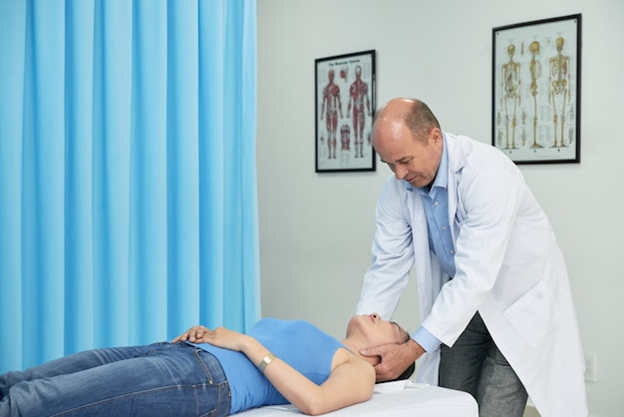
When it comes to addressing chronic pain and mobility issues, finding the right chiropractic care can make a significant difference in your overall health. In Illinois, chiropractic services have become a trusted method for relieving pain, improving mobility, and supporting long-term wellness. Based on my observations and industry expertise, chiropractic care offers a practical, non-invasive solution to conditions that traditional medicine often struggles to address effectively.

One of the standout options for chiropractic care in Illinois is Chiropractic IL, a provider of comprehensive treatments designed to alleviate discomfort and restore overall well-being. The services offered here go beyond mere pain management, focusing on the root causes of discomfort to ensure long-lasting results.

Why Chiropractic Care Matters

Chiropractic care provides a unique approach to pain relief by focusing on spinal alignment, posture correction, and mobility restoration. These treatments are tailored to each patient’s specific needs, addressing issues like neck pain, back pain, sciatica, and other nerve-related conditions. Many individuals suffer from ongoing discomfort due to poor posture, accidents, or degenerative conditions, but chiropractic adjustments and specialized therapies can bring much-needed relief.

In my experience, many patients turn to chiropractic care after experiencing limited success with conventional treatments. The advantage of chiropractic services lies in their ability to treat the underlying causes of pain, not just the symptoms. This makes it an essential option for anyone seeking a holistic approach to pain relief and overall wellness.

Comprehensive Services for Pain Relief

At Clanahan Wellness Center, their offerings include advanced treatments like spinal decompression therapy, which targets bulging discs, herniated discs, and other spinal issues. This therapy gently stretches the spine, reducing pressure on the discs and improving overall alignment. For those suffering from lower back pain, sciatica, or radiating leg pain, spinal decompression is a non-invasive alternative to surgery, providing effective relief.

Additionally, their approach to treating peripheral neuropathy is highly regarded, offering a solution for patients experiencing pain, numbness, and weakness due to nerve damage. These treatments, combined with chiropractic adjustments, help restore normal function and relieve discomfort in daily activities.

Long-Term Health and Mobility

One of the key benefits of chiropractic care at centers like Clanahan Wellness Center is the focus on long-term health. Chiropractic adjustments not only alleviate pain but also improve spinal alignment, which helps prevent future issues. This proactive approach ensures that patients experience better mobility and a higher quality of life over time.

For individuals dealing with degenerative conditions, regular chiropractic care can slow the progression of symptoms, allowing them to maintain an active lifestyle. By promoting the body’s natural healing processes, chiropractic treatments provide an effective, drug-free solution for pain management and overall wellness.

Choosing the Right Chiropractic Care

Choosing the right chiropractic care provider is crucial for achieving the best results. Based on their reputation and specialized services, Clanahan Wellness Center stands out as a trusted option in Illinois. Their expertise in spinal decompression therapy, peripheral neuropathy treatment, and chiropractic adjustments positions them as a leader in non-surgical pain relief.

They offer their services to multiple communities in Illinois, including Morton, East Peoria, Washington, Tremont, and Bartonville. This accessibility, combined with their dedication to providing individualized care, makes them a reliable choice for anyone seeking chiropractic services. Their walk-in availability also ensures that patients can receive immediate care without long waiting times, which is essential when managing pain.

Conclusion

If you’re experiencing ongoing pain or discomfort, chiropractic care may be the solution you’re looking for. With a focus on treating the root causes of pain, centers like Clanahan Wellness Center offer a comprehensive range of services designed to improve mobility, relieve pain, and enhance overall wellness. From spinal decompression therapy to peripheral neuropathy treatments, their services address a wide range of conditions, ensuring that patients receive the care they need to live a pain-free life.

By choosing the right chiropractic provider, you can take an important step toward achieving long-term health and improved quality of life. With a commitment to offering non-invasive, effective treatments, chiropractic care provides a viable alternative to more traditional pain management methods.
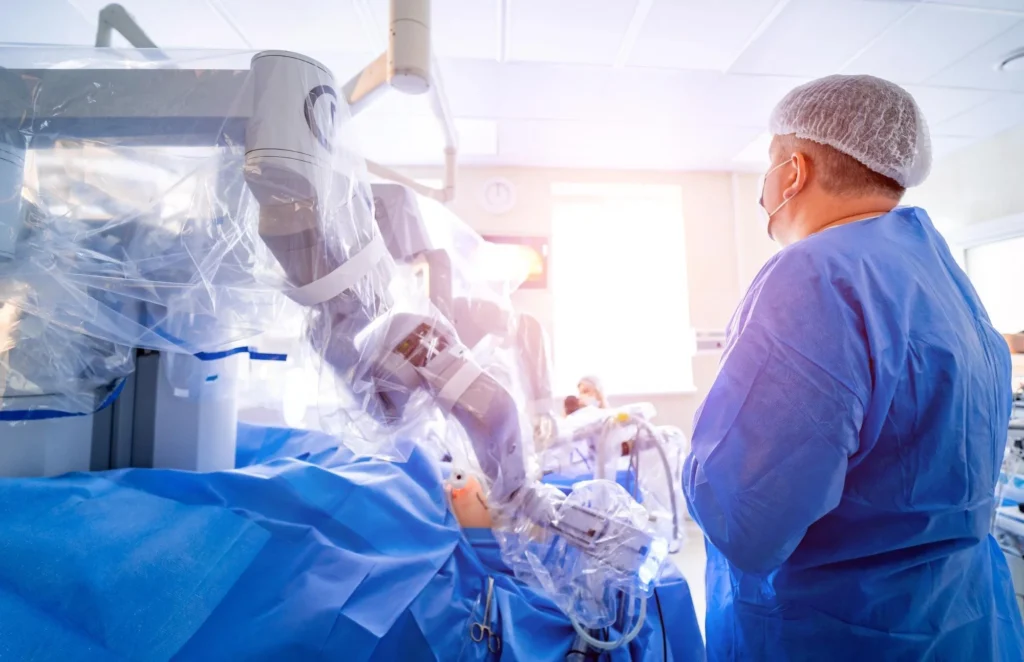

The advent of 3d printing technology has revolutionized various industries, and medical training is no exception. This innovative technology offers unprecedented opportunities to enhance the learning experiences of medical students and professionals by providing realistic, customizable, and cost-effective models. While much has been discussed about the general benefits of 3d printing, this blog delves into advanced insights and often overlooked advantages of utilizing 3d printing technology in medical training.

The impact of 3d printing on medical training

3d printing, also known as additive manufacturing, involves creating three-dimensional objects layer by layer from digital models. In medical training, 3d printing can produce highly detailed anatomical models, surgical guides, and custom prosthetics, enabling hands-on learning and practice.

Statistical insight: according to a study published in the journal of surgical education, 3d-printed models improved surgical training outcomes by 35% compared to traditional methods.

Key benefits of 3d printing in medical training

1. Enhanced anatomical understanding

Benefit: 3d-printed models provide accurate and tangible representations of human anatomy, allowing students to explore and understand complex structures in detail.

Unique insight: unlike two-dimensional images or virtual simulations, 3d models can be manipulated physically, offering a tactile learning experience that enhances spatial awareness and retention.

Statistical insight: research from the journal of medical education indicates that students who use 3d-printed anatomical models score 20% higher in anatomy exams than those who use traditional methods.

2. Customized training models

Benefit: 3d printing enables the creation of customized models that replicate specific patient anatomies, disease states, or surgical scenarios.

Unique insight: customization allows for personalized training experiences tailored to the unique needs and learning objectives of individual students or medical teams.

Statistical insight: a study in the journal of clinical simulation found that customized 3d-printed models improved the accuracy of surgical procedures by 30%.

3. Improved surgical training

Benefit: 3d-printed models are invaluable in surgical training, providing realistic practice scenarios for various procedures.

Unique insight: surgeons can rehearse complex operations on patient-specific models, improving their skills and confidence before performing the actual surgery.

Statistical insight: according to the annals of surgery, surgeons who practiced on 3d-printed models prior to surgery reduced operative times by 25% and improved patient outcomes.

Advanced applications of 3d printing in medical training

1. Simulating rare and complex conditions

Action: use 3d printing to create models of rare or complex medical conditions that students and professionals may not encounter frequently in clinical practice.

Unique insight: these models provide opportunities to study and practice treating uncommon conditions, ensuring readiness and proficiency when such cases arise.

Statistical insight: the journal of pediatric surgery reports that training with 3d-printed models of rare conditions increases diagnostic accuracy by 28%.

2. Enhancing interprofessional education

Action: develop interdisciplinary training programs using 3d-printed models to foster collaboration between different healthcare professionals.

Unique insight: joint training sessions with 3d models help build teamwork and communication skills, crucial for effective interprofessional collaboration in clinical settings.

Statistical insight: a study from the journal of interprofessional care found that interprofessional training with 3d models improved team performance by 22%.

3. Patient education and communication

Action: utilize 3d-printed models to enhance patient education and communication, helping patients understand their conditions and treatment plans.

Unique insight: patients can visualize their anatomy and pathology, leading to better-informed decisions and increased adherence to treatment recommendations.

Statistical insight: research published in the journal of patient experience shows that using 3d-printed models for patient education increases patient understanding and satisfaction by 30%.

Overlooked benefits of 3d printing in medical training

1. Cost-effective training solutions

Benefit: 3d printing can produce high-quality training models at a fraction of the cost of traditional cadaveric or commercial models.

Unique insight: the ability to print models in-house reduces dependency on expensive and scarce resources, making advanced training more accessible.

Statistical insight: according to a study in the journal of medical devices, 3d printing reduces the cost of anatomical models by up to 70%.

2. Sustainability and resource management

Benefit: 3d printing supports sustainable practices by reducing waste and enabling the reuse of materials.

Unique insight: biodegradable and recyclable materials can be used in 3d printing, aligning with environmental sustainability goals.

Statistical insight: the international journal of environmental research and public health reports that 3d printing with sustainable materials can reduce environmental impact by 50%.

3. Real-time feedback and iterative learning

Benefit: 3d printing allows for rapid prototyping and iterative learning, where models can be quickly modified and reprinted based on feedback.

Unique insight: this capability supports continuous improvement and adaptation of training materials to meet evolving educational needs.

Statistical insight: the journal of biomedical education indicates that iterative learning with 3d-printed models enhances skill acquisition by 25%.

Case study: successful implementation of 3d printing in medical training

Example: a medical school implemented a comprehensive 3d printing program to enhance its anatomy and surgical training curriculum.

Steps taken:

Technology investment: acquired advanced 3d printers and software to design and produce anatomical models.

Curriculum integration: integrated 3d-printed models into anatomy labs, surgical simulations, and interprofessional training sessions.

Customized models: created patient-specific models for complex surgical planning and rare condition simulations.

Patient education: used 3d models to improve patient understanding and engagement in treatment decisions.

Feedback loop: established a continuous feedback system to refine and optimize the use of 3d printing in training.

Outcome: the medical school observed a 30% improvement in students’ anatomical knowledge, a 25% reduction in surgical training errors, and a 20% increase in patient satisfaction scores.

Conclusion

3d printing technology offers transformative benefits for medical training, from enhancing anatomical understanding and surgical skills to fostering interprofessional collaboration and improving patient education. By leveraging advanced applications such as simulating rare conditions, integrating interprofessional education, and utilizing patient-specific models, medical educators can significantly enhance the learning experience. Additionally, the overlooked benefits of cost-effectiveness, sustainability, and real-time feedback further underscore the value of incorporating 3d printing into medical training programs. Ultimately, these innovations lead to better-prepared healthcare professionals and improved patient outcomes.

The potential health benefits of psilocybin, the active compound found in magic mushrooms. As research continues to explore the therapeutic naturally occurring psychedelic, a new trend is in the form of magic mushroom gummies. These discreet and palatable alternatives to raw mushrooms have gained popularity among those seeking the potential health benefits of psilocybin in a more convenient form.

  • Cognitive function and neuroplasticity

Emerging research suggests that psilocybin may have positive effects on cognitive function and neuroplasticity – the brain’s ability to form new neural connections. A study published in the journal Neuroscience in 2018 found that psilocybin promoted structural plasticity in cortical neurons. This increased neuroplasticity leads to improved cognitive flexibility, enhanced problem-solving abilities, and increased creativity. Some users of magic mushroom gummies report experiencing heightened focus and mental clarity, and research is needed to understand these effects fully.

  • Addiction treatment

Area where psilocybin shows promise is in the treatment of addiction. Studies have indicated that psilocybin-assisted therapy may be effective in helping individuals overcome tobacco and alcohol addiction. A pilot study conducted at Johns Hopkins University found that psilocybin therapy increased abstinence rates in individuals trying to quit smoking. The results were particularly noteworthy, with an 80% abstinence rate at the 6-month follow-up, far exceeding typical success rates for cessation methods. Similar promising observed in studies focusing on alcohol dependence, suggesting that psilocybin could play a role in addiction treatment programs in the future.

  • Pain management

While research is still in its early stages, there is growing interest in psilocybin’s potential for pain management, for chronic pain conditions. Some studies have suggested that psilocybin pain perception improves the quality of life for individuals suffering from cluster headaches and migraines. A small study published in the journal Neurology found that psilocybin and LSD were more effective than conventional medications in treating cluster headaches. At the same time, more extensive research findings are encouraging for those seeking alternative pain management solutions.

  • Spiritual well-being and personal growth

Beyond its potential medical applications, many users report profound spiritual experiences and personal growth after consuming psilocybin. These experiences, often described as mystical or transcendent, have been associated with increased life satisfaction, improved relationships, and a greater sense of purpose. A landmark study at Johns Hopkins found that psilocybin-occasioned mystical experiences led to an increased domain of openness, which is associated with creativity, curiosity, and aesthetic appreciation. These changes were observed to persist for over a year after the initial experience.

  • Considerations and precautions

While the potential health benefits of psilocybin are exciting, it’s crucial to approach magic mushroom gummies with caution and respect. The quality and dosage of these products and consuming them without proper guidance or in an uncontrolled setting lead to challenging experiences. It’s important to note that psilocybin remains a controlled substance in many jurisdictions, and the status of magic mushroom gummies varies by location.

Additionally, psilocybin may not be suitable for everyone. Individuals with a history of mental health conditions, particularly psychotic disorders, should consult with a healthcare professional before considering psilocybin use. Pregnant women and individuals taking certain medications should also avoid psilocybin due to potential interactions and risks.