
Author

Kylee J. Sturdivant

Browsing

Introduction: Recovery Is More Than Just Finishing Treatment

For those who have faced sarcoma, completing chemotherapy, radiation, or surgery is a life-changing milestone. But recovery goes beyond clear scans—it requires rebuilding strength, eating well, and managing the lingering side effects of treatment. Oral health, specialized cancer follow-up, and whole-body medical care each play a crucial role in helping survivors eat comfortably, regain energy, and protect long-term wellness.

How Sarcoma Treatment Affects the Mouth and Nutrition

Sarcoma therapy, especially in the head, neck, or bone areas, can affect teeth, jaws, and chewing ability. Even when treatment targets the limbs or torso, powerful drugs and radiation may cause:

  • Mouth sores or gum inflammation.
  • Tooth decay due to dry mouth or altered saliva.
  • Bone weakness in the jaw, especially in those treated for osteosarcoma.
  • Difficulty chewing or swallowing, leading to poor nutrition.

When survivors cannot chew comfortably, they may avoid nutrient-rich foods like meats, vegetables, or nuts, relying instead on soft, processed foods that provide fewer vitamins and less protein for healing.

The Role of Dental Care in Post-Cancer Healing

Dental providers play a critical part in restoring function after sarcoma treatment. Specialists at practices like Pine Desert Dental can evaluate damage and recommend targeted interventions such as:

  • Oral surgery to remove damaged teeth, restore jaw alignment, or repair areas weakened by cancer therapy.
  • Custom prosthetics or implants to improve chewing and nutrition.
  • Preventive strategies for those with lingering dry mouth or gum sensitivity.

These treatments do more than repair smiles—they help survivors eat a balanced diet again, which is essential for regaining energy and rebuilding the immune system.

Specialized Cancer Follow-Up for Long-Term Safety

Even after active therapy ends, sarcoma survivors need ongoing monitoring. Centers like the Sarcoma Oncology Center provide expertise in osteosarcoma treatment and other rare bone and soft tissue cancers. Survivorship visits often include:

  • Advanced imaging to check for recurrence early.
  • Bone health evaluations for patients affected by surgery or long-term steroid use.
  • Monitoring for late effects like nerve pain or chronic inflammation.

This specialized oversight reassures patients and helps catch complications that might disrupt nutrition and recovery if left unaddressed.

Weight and Energy Challenges After Sarcoma

Treatment often disrupts metabolism and activity levels, causing either unintentional weight loss or weight gain. Both can impact healing:

  • Being underweight reduces muscle mass and immune strength.
  • Gaining weight can increase joint pain and fatigue, especially after orthopedic surgeries.

Primary care providers and oncology dietitians work together to stabilize weight safely, while dental care helps restore the ability to eat high-quality proteins and fibrous vegetables essential for recovery.

Practical Strategies for Eating Well After Sarcoma

Support Oral Comfort

  • Work with a dentist to treat sensitivity, decay, or jaw pain early.
  • Ask about oral surgery if chewing remains painful or difficult.

Balance Nutrition

  • Choose soft but protein-rich foods during early recovery (eggs, fish, yogurt).
  • Gradually reintroduce more fibrous options as chewing improves.
  • Stay hydrated, especially if dry mouth persists.

Monitor Overall Health

  • Schedule regular primary care visits to track blood pressure, cholesterol, and hormone levels.
  • Request referrals to nutrition counseling when appetite or energy is poor.

Whole-Body Care: Why Primary Medicine Still Matters

Cancer survivors also need a trusted primary care provider to manage general health beyond oncology. Practices like Blue Stone Health & Wellness integrate primary care with other supportive services, helping survivors:

  • Monitor blood pressure, heart health, and thyroid function after treatment.
  • Address digestive issues or medication side effects affecting appetite.
  • Coordinate with dental and oncology providers for safe procedures.

A strong primary care foundation ensures that patients aren’t left navigating complex post-cancer needs alone.

Case Example: Rebuilding Health Through Coordinated Care

A 28-year-old woman, one year post-osteosarcoma treatment, struggled with jaw pain, poor appetite, and fatigue. Her oncologist referred her to a dentist, where oral surgery corrected damage from previous radiation and improved chewing. At the same time, she re-established care with Blue Stone Health & Wellness to monitor thyroid changes and guide safe nutrition for regaining lost weight. Continued follow-up ensured her cancer surveillance stayed on track. Over months, she regained muscle, improved her diet, and felt energized enough to return to work and exercise.

Mental and Emotional Health: A Key Part of Recovery

The transition from active treatment to survivorship often brings unexpected stress. Anxiety about recurrence, frustration over slow healing, and changes to body image can affect appetite and energy. Primary care providers and cancer centers can connect survivors with counseling or support groups, helping them rebuild confidence and stay motivated to care for their overall health.

Why Integration Matters

Addressing only one part of recovery—such as oncology or nutrition—may leave major needs unmet. Survivors with chewing pain can’t benefit from healthy diets. Weight management fails if underlying jaw or hormonal issues persist. Likewise, dental work without coordination may be unsafe if cancer therapy has weakened bones or immunity. When oncologists, dentists, and primary care providers work together, survivors heal faster and avoid setbacks.

Prevention: Staying Ahead of Long-Term Issues

  • Schedule dental evaluations before and after sarcoma treatment.
  • Ask oncologists about potential oral side effects early.
  • Maintain primary care visits for metabolic and cardiovascular monitoring.
  • Eat a protein-rich, anti-inflammatory diet to support tissue healing.
  • Seek help for persistent fatigue or mood changes to prevent isolation.

These proactive steps help survivors maintain energy and reduce the risk of delayed complications.

Conclusion: Nourishment Is More Than Food Alone

Recovering from sarcoma takes more than finishing treatment; it requires restoring the ability to eat well, balancing metabolism, and protecting overall health. Dental experts like those at Pine Desert Dental can perform oral surgery or restorative work so survivors can enjoy a full, nourishing diet again. Specialized follow-up at the Sarcoma Oncology Center keeps rare cancer care on track, while primary care support from practices ensures ongoing wellness beyond oncology. Together, this whole-body approach helps survivors rebuild strength, energy, and confidence for life after cancer.
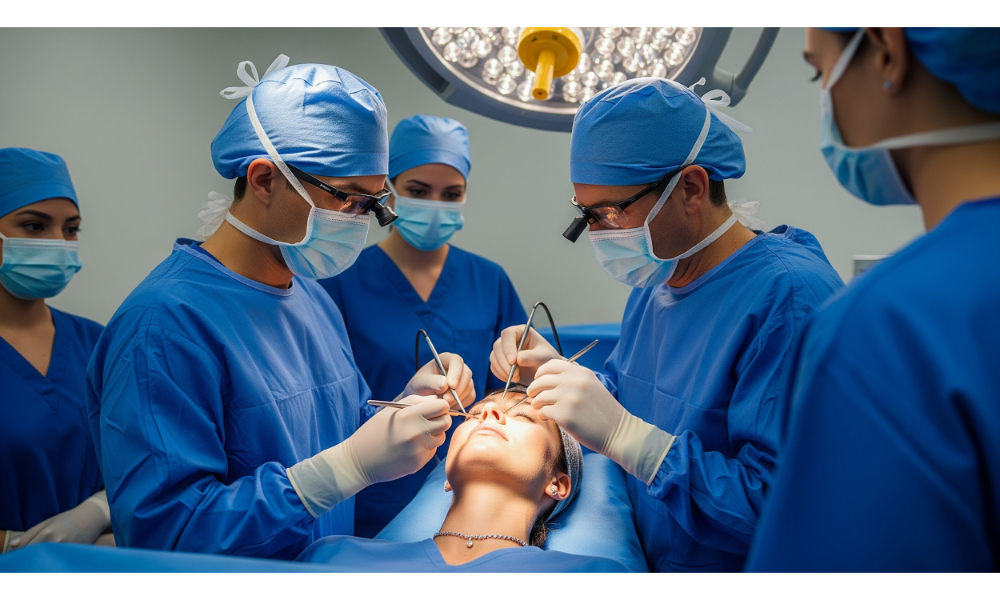

Confidence as a Part of Healing and Recovery

In the journey of healing and recovery, confidence plays a pivotal role. Whether you’re recovering from an accident, surgery, or dealing with congenital deformities, restoring your self-esteem is as crucial as restoring your physical health. Advanced facial procedures are not merely aesthetic; they carry the profound ability to blend physical restoration with psychological healing. These procedures can transform lives by offering patients a fresh start, a renewed sense of self, and the confidence to face the world anew.

In today’s world, the line between cosmetic enhancements and medical necessities is blurring. Facial procedures are now seen as an integral part of holistic healing and wellness. They are not only about altering appearances but about enhancing one’s overall quality of life. This perspective shift highlights the importance of addressing both functional and aesthetic concerns to foster comprehensive recovery.

This article aims to guide you through the intricacies of advanced facial procedures, emphasizing the multi-disciplinary approach adopted by healthcare professionals. From the expertise of board-certified facial plastic surgeons to the critical roles played by experienced brain surgeons and trusted neck doctors, you’ll discover how these specialists work together to restore not just your face, but your confidence and quality of life.

Understanding Cosmetic vs. Reconstructive Procedures

Facial procedures can be broadly categorized into cosmetic and reconstructive surgeries. Understanding the distinction between these two is essential for making informed decisions about your care. Cosmetic procedures primarily focus on enhancing appearance. They include treatments like facelifts, rhinoplasty, and Botox, which aim to improve aesthetics by altering or rejuvenating facial features.

On the other hand, reconstructive procedures are medically necessary surgeries aimed at correcting functional impairments. These may include surgeries to repair birth defects like cleft palate, reconstruct facial features after trauma, or address the aftermath of diseases such as cancer. The goal is to restore normal appearance and function, thereby significantly improving the patient’s quality of life.

However, the lines are not always clear-cut. Many procedures serve both cosmetic and reconstructive purposes. For instance, rhinoplasty can enhance aesthetic appeal while also correcting breathing issues. As a patient, it’s crucial to work with healthcare professionals who understand the intricacies of these procedures, ensuring you receive care tailored to your unique needs and goals.

The Expertise of Facial Plastic Surgeons in Functional and Aesthetic Care

Board-certified facial plastic surgeons are at the forefront of both cosmetic and reconstructive facial procedures. Their expertise lies in understanding the delicate balance between aesthetics and functionality, ensuring that while enhancing beauty, they do not compromise the natural function of facial features. Their extensive training allows them to offer solutions that are both innovative and tailored to individual patient needs.

Facial plastic surgeons are skilled in a variety of procedures. From facelifts that combat the signs of aging to reconstructive surgeries that repair trauma-related injuries, their expertise covers a wide range of services. These specialists not only enhance outward appearance but also contribute significantly to emotional and psychological well-being by restoring confidence and self-esteem in their patients.

Choosing a board-certified facial plastic surgeon ensures that you are in capable hands. Certification indicates a high level of training and adherence to stringent medical standards. When selecting a surgeon, consider their experience, patient testimonials, and professional affiliations. This diligence will help you find a trusted partner in your journey toward healing and recovery.

The Role of Neurosurgeons in Correcting Trauma-Related Issues

Experienced brain surgeons, or neurosurgeons, play a critical role in addressing trauma-related injuries, particularly those affecting the head, face, and nervous system. While their primary focus is on neurological function, their expertise often extends to correcting structural issues that impact both function and aesthetics. According to specialists at Haynes Neurosurgical Group, “Trauma to the head or face can have complex neurological and structural consequences. Early intervention by a skilled neurosurgeon can be essential for preserving both brain function and overall quality of life.”

In cases of facial trauma, such as cranial fractures, nerve damage, or severe lacerations, neurosurgeons employ precise surgical techniques to repair and restore function. They often collaborate closely with other specialists, including facial plastic surgeons, to ensure comprehensive care that addresses both neurological and aesthetic outcomes. This multidisciplinary approach helps patients recover functionality while minimizing long-term cosmetic concerns.

For individuals who have experienced trauma that impacts both neurological health and physical appearance, the involvement of an experienced brain surgeon is indispensable. The team at Haynes Neurosurgical Group emphasizes that proper evaluation and timely surgical intervention can make a significant difference in recovery, reducing complications and supporting the best possible outcomes for patients with life-altering injuries.

How Spine and Neck Doctors Support Comprehensive Recovery

Neck doctors and spine specialists are integral to the comprehensive recovery process for patients undergoing facial procedures. While their primary focus might seem distant from facial aesthetics, their role is crucial in ensuring overall physical stability and health. The neck and spine are integral to facial function, directly influencing posture, movement, and structural support.

For patients dealing with trauma or congenital issues affecting the neck and spine, these specialists provide targeted interventions that support facial recovery. They help address underlying issues that may impact facial symmetry or function, working alongside facial plastic surgeons to ensure a holistic approach to treatment. Their expertise is invaluable in cases where postural or structural corrections are needed to complement facial surgeries.

The collaboration between neck doctors and other specialists ensures a seamless recovery process. By addressing the spine and neck as part of a comprehensive treatment plan, patients receive care that supports both immediate recovery and long-term health. This multi-disciplinary approach fosters a more effective healing journey, aligning physical recovery with aesthetic goals.

Benefits of a Multi-Specialty Approach for Lasting Results

A multi-specialty approach to facial procedures ensures that patients receive comprehensive care tailored to their unique needs. This collaborative model brings together the expertise of facial plastic surgeons, neurosurgeons, and neck doctors, creating a synergy that enhances both functional and aesthetic outcomes. This holistic approach is particularly beneficial in complex cases where multiple areas of expertise are required.

The primary benefit of a multi-specialty approach is the comprehensive assessment and treatment plan it provides. Patients benefit from the combined knowledge and skills of various specialists, ensuring that all aspects of their condition are addressed. Whether it’s correcting facial symmetry, restoring nerve function, or ensuring spinal alignment, this approach leaves no stone unturned in pursuit of optimal results.

Furthermore, this collaboration often leads to more sustainable results. By addressing both the symptoms and underlying causes of facial issues, patients are less likely to experience complications or require additional treatments in the future. This not only enhances patient satisfaction but also contributes to long-term health and well-being.

Patient Stories: Restoring Function, Health, and Self-Esteem

Patient stories are a testament to the transformative power of advanced facial procedures. These narratives highlight the profound impact that comprehensive care can have on individuals facing both cosmetic and functional challenges. By sharing these stories, we can better understand the journey from despair to restored confidence and health.

Consider the story of Jane, who suffered a severe facial injury in a car accident. Through the collaborative efforts of a board-certified facial plastic surgeon, an experienced brain surgeon, and a trusted neck doctor, Jane underwent a series of procedures that restored her facial symmetry and function. Today, she speaks of not just her physical recovery but also the renewed self-esteem that has allowed her to resume her life with confidence.

Similarly, the journey of Robert, who was born with a congenital defect, showcases the life-changing potential of these procedures. With the help of a multi-disciplinary team, Robert received surgical interventions that corrected his condition, significantly improving his quality of life. His story underscores the importance of not just physical transformation but the emotional and psychological healing that accompanies effective treatment.

Conclusion: Advanced Care That Blends Health and Confidence

The path to restoring confidence through advanced facial procedures is a journey that blends art and science. By leveraging the expertise of specialists in facial plastic surgery, neurosurgery, and spinal care, patients receive tailored solutions that address both aesthetic and functional needs. This comprehensive approach ensures that your journey to recovery is smooth, effective, and geared toward long-term well-being.

For patients facing functional or cosmetic challenges, advanced facial procedures offer a path forward. From reconstructive surgeries to cosmetic refinements, specialists such as facial plastic surgeons, brain surgeons, and spine doctors collaborate to restore both health and self-confidence. By choosing a multi-disciplinary team, you can rest assured that every aspect of your condition will be addressed, leading to a more holistic and lasting recovery.

If you’re considering facial procedures, take the time to research and consult with a team of experienced professionals. Their collective expertise will guide you through the process, ensuring that your journey is not just about changing appearances but about enhancing your overall quality of life. These advanced care offers an opportunity to embrace a future defined by health, happiness, and renewed confidence.

Understanding Hearing Loss And Its Impact On Quality Of Life

Hearing loss is a common condition that can significantly impact quality of life, causing isolation, frustration, and communication challenges. Having worked with individuals with hearing difficulties, I’ve seen how it affects daily life, work, and social interactions. Difficulty following conversations can lead to anxiety and withdrawal. Addressing hearing loss promptly is crucial, as it improves communication, confidence, and overall well-being. While hearing aids are key, selecting the right one is essential for the best results.

The Importance Of Choosing The Right Hearing Aid

Choosing the right hearing aid can be overwhelming, as many worry about comfort and effectiveness. However, the right device can significantly improve hearing clarity and comfort. By researching different models and consulting a hearing specialist or audiologist, you can make an informed decision that meets your specific needs and preferences.

Different Types Of Hearing Aids And Their Features

When exploring hearing aids, it’s important to understand the main types and their features:

  • Behind-the-Ear (BTE): Durable and suitable for all ages and hearing levels, these sit behind the ear. BTE hearing aids are known for their reliability and versatility.
  • In-the-Ear (ITE): Compact devices that fit in the outer ear, ideal for mild to severe hearing loss, and available in skin tones for discretion.
  • In-the-Canal (ITC) & Completely-in-Canal (CIC): Smaller, less visible options that fit partially or fully in the ear canal; best for mild to moderate hearing loss.
  • Receiver-in-Canal (RIC): Similar to BTE but with a receiver in the ear canal, offering more natural sound.

Many hearing aids also feature noise reduction, feedback cancellation, and Bluetooth connectivity. Understanding these options helps ensure a choice that fits both lifestyle and hearing needs.

Hearing Aids Improve Communication And Social Interaction

Hearing aids play a key role in improving communication and enriching social interactions. By enhancing auditory perception, they reduce misunderstandings and help us connect more meaningfully with others. In social settings, this leads to greater confidence and a stronger sense of inclusion. Instead of worrying about missing parts of conversations, we can participate fully and enjoy the moment. Ultimately, addressing hearing loss supports healthier relationships and a more fulfilling social life.

The Role Of Hearing Aids In Enhancing Mental Health And Well-Being

Hearing aids do more than restore sound—they support mental health and overall well-being. Hearing loss is often linked to depression and anxiety due to the isolation it causes. By improving hearing, hearing aids help alleviate these feelings and promote a more positive outlook on life.

Better hearing also encourages participation in daily activities, boosting independence and self-esteem. Enjoying music, watching movies, or hearing birdsong can significantly enhance the quality of life. Additionally, hearing aids reduce cognitive strain. By making hearing easier, they allow the brain to focus on interpreting sounds, helping preserve cognitive function, especially as we age.

Factors to Consider When Selecting a Hearing Aid

Choosing the right hearing aid depends on several key factors that go beyond just the degree of hearing loss:

  • Hearing Loss Severity: A professional hearing evaluation can determine the type and extent of your hearing loss, helping guide the selection of the most suitable device.
  • Lifestyle: Daily activities and environments—such as frequent exposure to background noise—can influence the need for features like advanced noise cancellation or directional microphones.
  • Comfort and Fit: Long-term comfort is crucial. Hearing aid fitting services ensure the device is properly adjusted to your ear shape and hearing profile.
  • Technology: Modern hearing aids often come with features like Bluetooth connectivity, smartphone integration, and rechargeable batteries, which can enhance day-to-day usability.

In Southern Maine, many audiology clinics—including local providers like Infinity Hearing—offer both comprehensive hearing aid testing and custom fitting services. These steps help ensure the chosen device not only meets your clinical needs but also aligns with your personal preferences and lifestyle.

By considering all of these factors and working with a qualified professional, you’re more likely to find a hearing aid that offers both comfort and performance in your everyday life.

Tips For Adjusting To Your New Hearing Aid

Adjusting to a new hearing aid can take time and patience. Here are some tips to help ease the transition:

  1. Start Slowly: Begin by wearing the hearing aid for a few hours a day and gradually increase the duration as you become more comfortable.
  2. Practice Listening: Spend time in different environments to get accustomed to various sounds. Practice focusing on specific sounds, such as conversations or music.
  3. Follow Up with Your Audiologist: Regular check-ins can help fine-tune your device for optimal performance. Don’t hesitate to report any discomfort or issues.
  4. Engage in Listening Exercises: Participating in listening exercises or therapy can further enhance your adaptation process.
  5. Be Patient: Remember, adjusting takes time. Be patient with yourself and the process.

By following these tips, you can smoothly transition into using your new hearing aid, allowing you to enjoy its benefits fully.

Innovations In Hearing Aid Technology

Hearing aid technology is continuously evolving, with notable innovations improving user experience. Artificial intelligence is a key development, allowing devices to learn and adapt to individual listening preferences over time. Connectivity has also become a major focus, with many modern hearing aids offering Bluetooth capabilities to connect seamlessly with smartphones, televisions, and other devices for direct audio streaming. Additionally, rechargeable hearing aids are gaining popularity, providing the convenience of eliminating disposable batteries while promoting sustainability and ensuring the devices are always ready for use.

Hearing Aid Maintenance and Care for Longevity

Proper maintenance and care are essential to ensure your hearing aids perform at their best and last as long as possible. According to audiology experts, consistent upkeep can significantly improve the device’s reliability and sound quality. Here are a few key tips:

  1. Regular Cleaning: Wipe your hearing aids daily with a soft, dry cloth to remove earwax and debris. Use a gentle brush or cleaning tool for harder-to-reach areas.
  2. Avoid Moisture: Keep your devices dry at all times. “Moisture is one of the most common culprits behind hearing aid damage,” says an audiology expert. Consider using a hearing aid dehumidifier overnight.
  3. Check Batteries: Replace or recharge batteries regularly to maintain optimal performance. Dead or low batteries can cause sound distortion or complete failure.
  4. Professional Servicing: Schedule periodic check-ups with your audiologist for deep cleaning and performance checks. They can also make necessary adjustments to ensure your hearing aid settings match your current hearing needs.

By following these expert-backed maintenance practices, you can extend the lifespan of your hearing aids and enjoy consistent, high-quality hearing support.

Conclusion: Transforming Lives With The Right Hearing Aid

In conclusion, the right hearing aid can transform lives by significantly improving our quality of life. From enhancing communication and social interaction to positively impacting mental health, hearing aids offer numerous benefits. By carefully selecting and maintaining our devices, we can fully enjoy these advantages and lead a more connected and fulfilling life.

If you’re considering a hearing aid or looking to upgrade, I encourage you to consult with a hearing specialist. They can provide personalized advice and support, helping you make the best choice for your needs. Remember, investing in the right hearing aid is an investment in your well-being and future happiness.