

Author

Elizabeth M. Deberry

Browsing

Embarking on the journey towards a healthier and more fulfilling life can seem daunting, but having the proper diet guide in place can make all the difference. In the case of those who underwent gastric sleeve surgery, it is in their best interest to adhere to a proper diet plan that ensures successful weight loss and long-term maintenance. In this guide, we will explore a variety of topics of a well-rounded gastric sleeve diet, including foods to indulge in and those to avoid, as well as address any concerns about post-surgery habits such as coffee consumption.

The Foundation of a Gastric Sleeve Diet

Following a gastric sleeve surgery, it is crucial to adjust one’s dietary habits to sustain the results and decrease potential complications. The central tenets of a gastric sleeve diet include:

  1. Protein Intake: Protein is the building block of muscle tissue and promotes healing. Post-surgery, prioritize lean proteins like poultry, fish, tofu, and legumes to support muscle growth, repair, and fullness.
  2. Hydration: Staying hydrated is vital to overall health and digestion. Drinking water regularly can help to decrease hunger and improve bowel movements. Aim for at least 64 ounces of water regularly.
  3. Portion Control: With a smaller stomach capacity after surgery, it is essential to stick to smaller, more frequent meals. This practice will help you to avoid overeating and enable your body to process food more comfortably.
  4. Mindful Eating: Take time to chew each bite carefully and enjoy the flavors of your meal. Eating slowly will ensure you are aware of your body’s fullness signals, reducing the risk of overeating.
  5. Avoid Sugary and Processed Foods: High-sugar and processed foods can lead to weight gain and negate the weight loss benefits of your surgery. Consuming nutrient-rich, natural foods will foster better health and keep you on track.

Addressing Coffee Consumption Post Gastric Sleeve Surgery

Many people are concerned about whether they can still enjoy their morning coffee after undergoing gastric sleeve surgery. In one of our informative blog articles titled, “Can You Drink Coffee After Gastric Sleeve Surgery?” we delve into this subject, discussing the potential impact of caffeine on your body and general guidelines for coffee consumption. It is essential to consult with your doctor regarding your specific situation and any dietary restrictions or recommendations that may apply.

Conclusion

Achieving & maintaining weight loss after gastric sleeve surgery is an ongoing process that requires commitment and adherence to a healthy diet plan. By incorporating best practices from this gastric sleeve diet guide and addressing concerns like coffee consumption, you can ensure your path to a happier and healthier lifestyle is successful. Remember, communication with your surgeon after gastric sleeve surgery in Maryland and attention to your body’s signals will be essential to your long-term weight loss maintenance journey.

Dealing with back pain can be a struggle, and sometimes, medications and surgery aren’t the ideal solution. Thankfully, there are alternative treatments, like physical therapy, to alleviate pain and discomfort. In this article, we’ll explore six key benefits of physical therapy for back pain relief.

Reduced Pain and Improved Mobility

Physical therapy focuses on targeted exercises and stretches that help decrease pain by increasing the range of motion and joint flexibility. A licensed therapist carefully tailors your treatment plan, ensuring the exercises you perform are specifically designed for your unique condition. Plus, specialists for back pain relief in Chicago can assess your posture to identify any underlying issues causing the pain.

Strengthening Your Core

Your core muscles play a vital role in supporting your spine, and weak core muscles may contribute to back pain. Through targeted exercises, physical therapy helps to strengthen your abdominals, back muscles, and pelvic girdle, thereby reducing the likelihood of pain returning in the future.

Improved Posture

Poor posture, particularly when sitting for long periods, can lead to back pain. Physical therapists help improve your posture, both while sitting and standing, by teaching you proper body mechanics to minimize strain on your back.

Prevention of Recurring Pain

By addressing the root cause of your back pain, physical therapy helps to prevent the pain from recurring. Learning proper body mechanics, stretching techniques, and strengthening exercises can all work towards reducing the likelihood of future pain episodes.

Education for Self-Care

Physical therapy treatments often include an educational component. Therapists teach patients valuable information about their condition, how to manage it, and how to avoid exacerbating the issue. This guidance allows you to take charge of your own well-being and maintain your progress long after your therapy sessions have concluded.

A Non-Invasive Alternative to Surgery

In many cases, physical therapy can provide sufficient pain relief, making an invasive surgical procedure unnecessary. By managing the root cause of your pain and not just the symptoms, physical therapy can often be a more cost-effective, less risky, and less disruptive option.

Final Thoughts

Physical therapy is a valuable, non-invasive treatment option for back pain relief. By addressing the root of your discomfort, improving your posture, strengthening your core, and teaching self-care techniques, physical therapy has the potential to provide long-lasting results. For those suffering from back pain, exploring the benefits of physical therapy is a worthwhile step in finding relief and preventing future issues.

In a world filled with unforeseen circumstances, being equipped to respond to emergencies is not just an asset; it’s a necessity. With the right training, you can be the beacon of hope in moments of crisis. This CPR and first aid certification program has been meticulously designed to empower you with the knowledge and skills you need to stand out and make a difference.

Empower: Understanding the Core Principles

The key to successful emergency response lies in understanding the core principles of CPR and first aid. This certification delves deep into the science behind these life-saving techniques. You’ll grasp the physiological reasons behind each step, ensuring that every action you take is grounded in knowledge. By understanding the ‘why’ behind each procedure, you’ll gain the confidence to apply your skills in real-world situations.

Equip: Hands-On Training for Real-World Scenarios

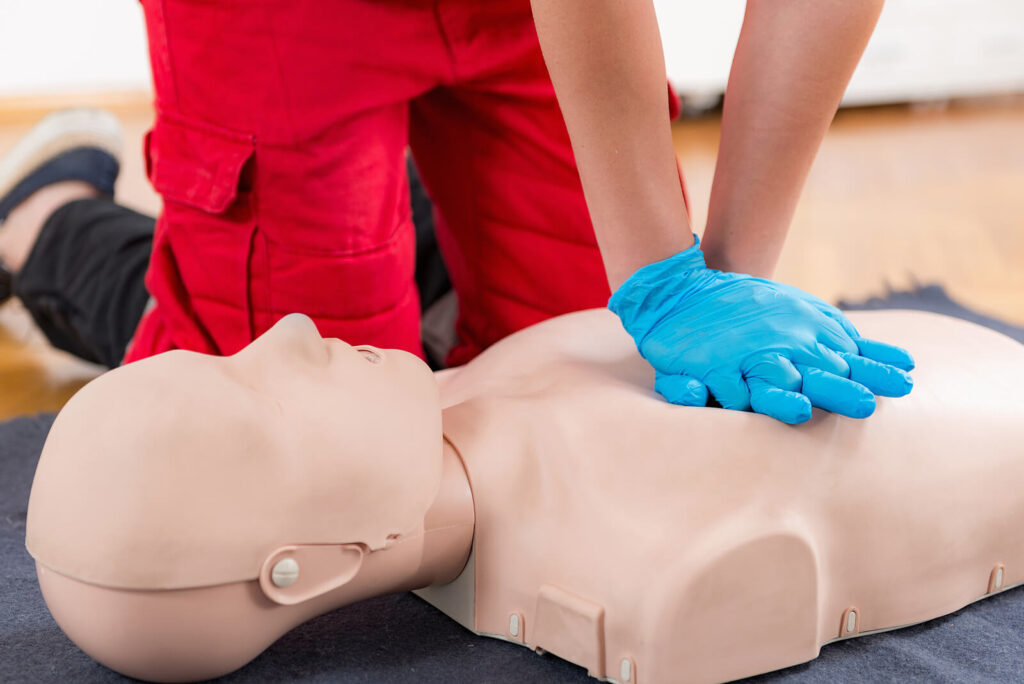
Theory is vital, but without practical application, it remains abstract. That’s where the hands-on training component of this certification shines. You’ll be walked through realistic scenarios, allowing you to practice and hone your skills under expert guidance. Whether it’s mastering the correct CPR compression rhythm or learning how to treat different types of wounds, this training ensures you’re well-equipped for any emergency.

Excel: Standing Out with Certification

Having a certified skill set not only boosts your confidence but also sets you apart in professional and community settings. Whether you’re a healthcare professional, a fitness instructor, or simply someone keen on acquiring essential life-saving skills, this certification acts as a testament to your dedication and competence. Moreover, with the ever-increasing importance of emergency preparedness, such a certification can also open up numerous opportunities in various sectors.

Why This Course?

There are many CPR and first aid courses available, so what makes this one special? For starters, the holistic approach ensures that you’re not just memorizing steps but truly understanding them. Moreover, the course keeps pace with the latest guidelines and research, ensuring you’re always learning the most updated and effective techniques. To gain a deeper insight into what the course entails, head over to https://cprcertificationnow.com/products/cpr-first-aid-certification.