
Author

Dionne C. McCampbell

Browsing

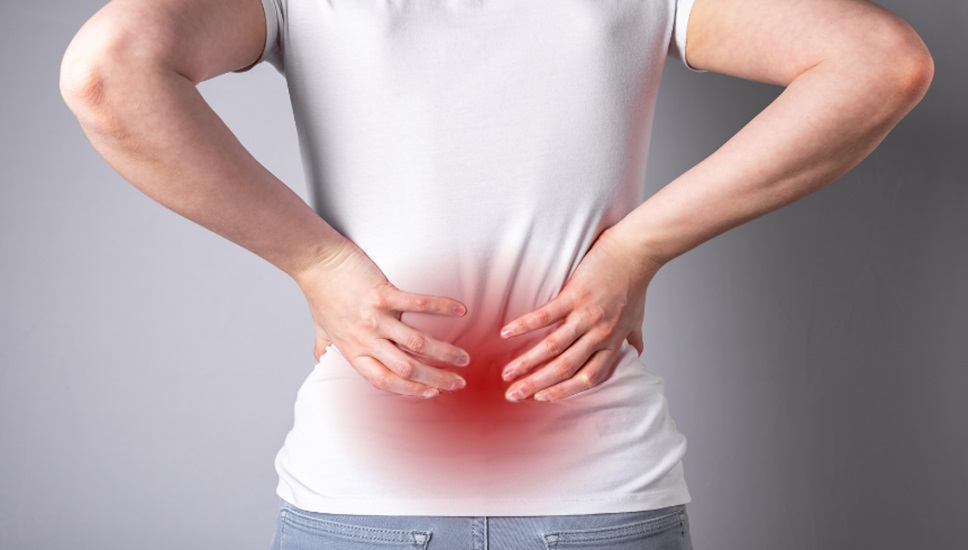
When dealing with lower back pain, it becomes crucial to identify the most comfortable and healthy sleeping positions since the way one sleeps directly affects the well-being and functioning of the spine. Different sleep positions have varying impacts on one’s spine and can either alleviate or worsen back pain. Let’s dive into the best sleeping positions for people suffering from lower back pain and how they can potentially improve their quality of life.

1. Sleeping on the Back with a Pillow Under the Knees

Sleeping on your back is considered to be the best position for spinal health. Placing a pillow under the knees provides additional support to the natural curve of the spine, distributing body weight evenly and maintaining spinal alignment. By minimizing strain on the lower back, this position has proven effective in reducing pain and discomfort for those suffering from back pain. If you experience persistent pain, consult a qualified healthcare professional for back pain in Omaha who can provide customized advice tailored to your needs.

2. Sleeping in a Fetal Position

Sleeping on the side with the knees tucked in towards the chest, also known as the fetal position, can be beneficial for individuals experiencing lower back pain. This sleeping position is beneficial in cases of lower back pain induced by herniated discs and issues related to spinal stenosis. By curling up with knees bent in a fetal position, the spaces between the vertebrae widen, thus reducing the pressure exerted on the spine.

3. Sleeping on the Side with a Pillow Between the Knees

For those who prefer sleeping on their side, it’s important to maintain proper alignment of the neck, shoulders, and spine. Placing a pillow between the knees can achieve this alignment and provide support to both the upper leg and the spine. This helps in preventing unnecessary strain on the lower back while ensuring a more comfortable night’s sleep.

4. Reclined Sleeping Position

Reclined sleeping positions, either with the help of a bed that’s adjustable or on a recliner, can also help those with lower back pain. By angling the upper body, the pressure on the lower back is relieved, reducing pain and discomfort associated with conditions like degenerative disc disease and spinal stenosis.

Knowing the difference between lower back pain and sciatica is crucial when looking for the right strategy to manage pain. To better understand the underlying causes and determine the most appropriate sleeping position for your specific needs, consider consulting with professionals specializing in lower back pain and sciatica.

To Conclude

Incorporating these sleeping positions into your bedtime routine can improve your spinal health and reduce lower back pain. Besides, it is equally essential to maintain a healthy lifestyle, including regular exercise and proper body mechanics at work and home. The common forms of back pain can be managed and treated with the right habits, sleeping positions, and professional guidance, ensuring a better quality of life for those affected. By understanding the impact of sleeping positions on lower back pain and incorporating them into a healthy lifestyle, one can prevent exacerbating their condition and effectively manage their pain.

Looking for a guide to help you select a breast pump? There is no need to look any further! While several types and brands of breast pumps are on the market, it is easy to become overwhelmed and unsure where to begin.

Now that the baby is here, your view on the pumping relationship may have shifted – you may have opted to pump after not expecting to, or you may want something low-maintenance to use on occasion. Whatever your pumping objectives are, there is a pump to meet them.

1. Silicone

A manual silicone breast pump is one that may be used. They are useful for giving steady suction since they suction to the breast and can then be used with one hand.

Some parents use them to stimulate a letdown, massage the breast, remove clogged ducts, capture milk on one side while the baby feeds on the other, collect leaky milk, and so much more!

They are portable and ideal for on-the-go use because they are made of a single piece with no little components or assembly required. They are also simple to maintain (dishwasher safe).

2. Manual

To express milk, a manual breast pump is used. They are portable and ideal for travel because they do not require a power source and are less expensive than certain electric pumps.

The hand pump allows you to pump as much or as little as you like, but it does need some expertise because you can adjust suction and pace.

Manual breast pumps are ideal for infrequent usage, such as when you need to express sometimes, wish to pump once a day, travel, etc. Manual pumps can also aid with breast/chest emptying after a feeding session, enhance supply, promote a letdown, and do various other things!

3. Wearable

Wearable Breast Pumps are among the more recent pumps on the market. Electric breast pumps that go inside your bra are known as wearable breast pumps.

While traditional electric pumps must be plugged in or are not always discreet while mobile, Wearable Breast Pumps are ideal for parents on the go or who are short on time – Wearable Breast Pumps are time-saving because they are designed to be used while multitasking.

Wearable pumps are not always inexpensive; nevertheless, the convenience of the pump may be worth it.

4. Wireless/Portable Breast Pumps

Portable breast pumps are wireless pumps that work well for infrequent use. They are ideal for on-the-go usage, preparing a little stockpile to use while out, multitasking, hands-free pumping, pumping at work, pumping in public, and more! Portable pumps, for example, can save time for stay-at-home parents or parents with babies and older children.

Also, some pumps may require you to hold the pump or flanges in place, while others may operate hands-free. All pumps, however, may be made hands-free by using a properly fitting nursing and pumping bra.

5. Personal Use, Double Electric

Double Electric Personal Use Pumps are the closest thing to a Hospital Grade Breast Pump you can get without purchasing one. These pumps are ideal for parents attempting to improve or establish a milk supply, exclusive pumpers, or stockpiling milk.

Regarding pump usage, Double Electric Personal Use Pumps will be long-lasting and feature a motor that can withstand everyday use. These pumps can also have varied vacuum and speed settings and can be used for single or double-sided pumping.

If you pump regularly, these pumps will be the most efficient in the long run and will be able to meet the daily demand.

Ear piercing is a common and one of the oldest forms of body modification; it occurs when a professional creates a hole in your earlobes or cartilage, allowing the insertion of decorative ornament, like earrings. You can get your ears pierced at any age, but most people often get ear piercings in adolescence. For some, the choice to pierce is about trends, fashion, and expression, while ear piercings are a matter of tradition for others. Regardless of the reason, you want to ensure that you get the procedure done by your board certified dermatologist Glen Allen, VA, to avoid complications such as infection. Below are answers to some of your questions about ear piercings.

What is the piercing procedure like?

Whether you get your ear piercing in a salon or a piercing studio, here is a basic rundown of what to expect.

You will fill out a consent form and select your decorative ornaments. Next, your provider marks the piercing site for you to approve and uses an antibacterial solution to clean those areas. Using a needle or a gun, your provider will pierce your ears. If they use a gun, the sharp end of the stud will create a home in your ear and insert the earring in one shot. However, if your provider uses a needle, they will place the earring in your ear after making the hole. Finally, your specialist cleanses the area and sends you home with instructions for aftercare.

Which is safer, a piercing gun and a needle?

Many people prefer getting their ears pierced with a gun since this approach is fast and accessible; it is mostly used at salons and jewelry stores. However, specialists caution against piercing guns since they are not disposable and sterilization is compromised. Additionally, spring-loaded guns can cause cartilage and tissue damage, so specialists recommend they only be used on earlobes. That said, you may also want to consider the intimidation factor. For instance, gun piercing might seem less daunting than having a needle pushed through your ear. While it is true that the gun still pierces your flesh, there is no actual needle involved.

How painful is ear piercing?

Regarding pain, you will likely experience a quick pinch that lasts for some seconds. The earlobe is one the least painful areas to pierce since it is fleshy and does not contain many nerves. If you are getting the procedure done by a dermatologist, they can prescribe topical anesthesia to numb the pain receptors in the earlobes.

How do I care for my piercings during the healing period?

Ear piercing is a simple and fast procedure, but it requires proper aftercare to void infection and reduce healing time. Your dermatologist will send you home with detailed and specific instructions, but here are some basic guidelines you should keep in mind.

Touch your piercings with clean hands and only do so when cleaning them; you don’t need to twist them. You want to ensure that you clean the front and back of the piercings at least twice a day by dabbing them with saline-soaked gauze. Avoid submerging your ears in hot tubs, pools, or open water like lakes as your piercings heal.

If you want to pierce your ears, book an appointment with your dermatologist at Absolute Dermatology & Skin Cancer Center.