Author

Daisy R. Williams

Browsing

Introduction

Chest congestion, a prevalent respiratory symptom, often signifies the presence of the common cold or influenza. This symptom can be accompanied by upper respiratory and nasal congestion.

Causes

Chest congestion arises when the body initiates an immune response against bacterial or viral pathogens, leading to mucus accumulation. While the common cold is a frequent culprit, various other factors contribute to mucus buildup, including:

    1. Environmental Pollution: Harmful odors and chemicals released into the atmosphere can result in chest congestion and respiratory difficulties.
    2. Occupational Hazards: Individuals exposed to toxins in their work environments may experience lung and airway inflammation.
    3. COPD (Chronic Obstructive Pulmonary Disease): Inflammation of bronchial linings characterizes this condition.
  1. Smoking: Cigarette smoke damages lung cilia, hair-like structures that clear debris from airways, causing excessive mucus production.
  2. Pulmonary Edema: This condition arises from fluid accumulation in lung air sacs and is associated with cardiovascular and lung disorders.
  3. Bronchitis: Infection of the main lung airways leads to immune responses causing chest congestion.
  4. Pneumonia: Bacterial lung infection causing fluid accumulation in the lungs.
  5. Allergies: Immune reactions triggered by allergen exposure affect the respiratory system.
  6. Cystic Fibrosis: A genetic disorder leading to lung mucus buildup.
  7. Pneumoconiosis: Lung disease due to inhaled dust particles.
  8. Asthma: Inflamed air passages frequently result in chest congestion.
  9. Flu: Influenza manifests with symptoms including fever, congestion, and cough.

Symptoms

The key symptom of chest congestion is chest tightness, often accompanied by wheezing or pain. Other symptoms include:

  • Labored breathing
  • Frequent urge to cough
  • General fatigue
  • Coughing up lung phlegm
  • Fever
  • Breathing difficulties
  • Gurgling sound after deep breaths
  • Swallowing difficulties

When to Seek Medical Attention

Medical consultation is advised if:

  • Nighttime chest congestion disrupts sleep
  • Coughing up blood
  • Breathing difficulties
  • Fever exceeding 100°F

Diagnosis

Diagnosis involves chest X-rays and auscultation of breathing sounds.

Treatment

Home remedies to alleviate congestion include:

  • Staying hydrated with hot tea or water
  • Using a humidifier during rest
  • Gargling warm saltwater
  • Applying hot packs to chest and throat
  • Consuming honey and lemon in warm water
  • Elevating head above torso while resting
  • Incorporating foods like pomegranate, guava, and berries
  • Taking hot showers for steam inhalation

Medications

If home remedies are insufficient, medical treatment options encompass:

  • Corticosteroids for severe chronic conditions
  • Antibiotics for bacterial infections
  • Expectorants to aid mucus expulsion
  • Cough suppressants for temporary relief

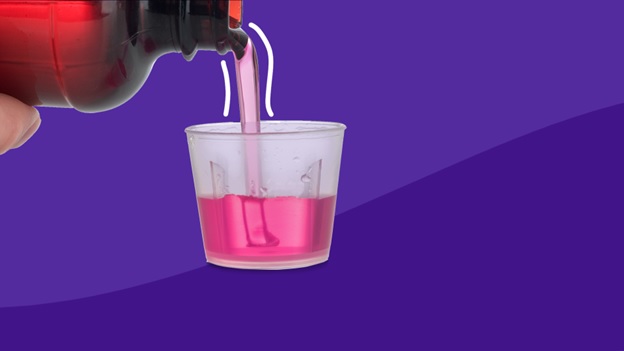
Comparing Mucinex and Robitussin: Over-The-Counter Medications for Chest Congestion

Mucinex:

– Active Ingredient: Guaifenesin, an expectorant derived from guaiacum tree bark extract.

– Uses: Eases chest congestion due to infections, colds, or allergies.

– Mechanism: Thins mucus, facilitating its removal from nose, throat, and lungs.

Robitussin DM:

  • Active Ingredients: Dextromethorphan (a cough suppressant) and guaifenesin (an expectorant).
  • Uses: Temporarily relieves cough from cold or minor throat irritation.
  • Mechanism: Dextromethorphan suppresses cough reflex; guaifenesin thins mucus.

Side Effects

Common side effects of Mucinex include slow heart rate, nausea, blurred vision, headache, rash, dizziness, bronchospasm, stomach ache, runny nose, and thrombocytopenia. Robitussin DM may lead to confusion, dizziness, breathing issues, drowsiness, tremors, skin rash, slurred speech, stomach pain, vomiting, and restlessness.

Dosage

For Mucinex:

  • Children (2-6 years): 50-100 mg every 4 hours
  • Children (6-12 years): 100-200 mg every 4 hours
  • Adults: 200-400 mg every 4 hours
  • Important: Not for children under 2 years.

For Robitussin DM:

  • Children (6-12 years): 1 teaspoon every 4 hours
  • Adults and children (>12 years): 2 teaspoons every 4 hour
  • Important: Not for children under 6 years; max 6 doses in 24 hours.

Warnings & Precautions

Mucinex interacts negatively with medications for Parkinson’s, certain antidepressants, and monoamine oxidase inhibitors. Robitussin DM should be used cautiously with conditions like COPD, asthma, bronchitis, and more.

Drug Interactions

Mucinex may interact in a negative way with the following medications:

  • gabapentin (a medicine to treat epilepsy);
  • Benadryl (diphenhydramine);
  • sertraline (an antidepressant of the selective serotonin reuptake inhibitor class);
  • Delsym (dextromethorphan);
  • Prozac (fluoxetine);

Robitussin DM may interact in a negative way with the following medications:

  • diphenhydramine;

Alcohol

Alcohol consumption should be avoided with both Mucinex and Robitussin DM, as it can exacerbate side effects.

Safety during Pregnancy and Breastfeeding

Potential harm to nursing or unborn babies is uncertain with both medications.

Conclusion

Robitussin alleviates symptoms, while Mucinex targets the root cause by thinning mucus, facilitating its expulsion through coughing, and ultimately clearing congestion.

Colorectal cancer is a significant global health concern and ranks as the third most commonly diagnosed cancer in both men and women. According to the World Health Organization, approximately 1.8 million new cases were reported in 2020 alone.

However, the good news is that colorectal cancer is one of the most preventable and treatable cancers, especially when detected early through regular colonoscopy screenings.

In this article, we will explore the importance of regular colonoscopy screening for colorectal cancer prevention and its impact on public health.

Understanding Colorectal Cancer

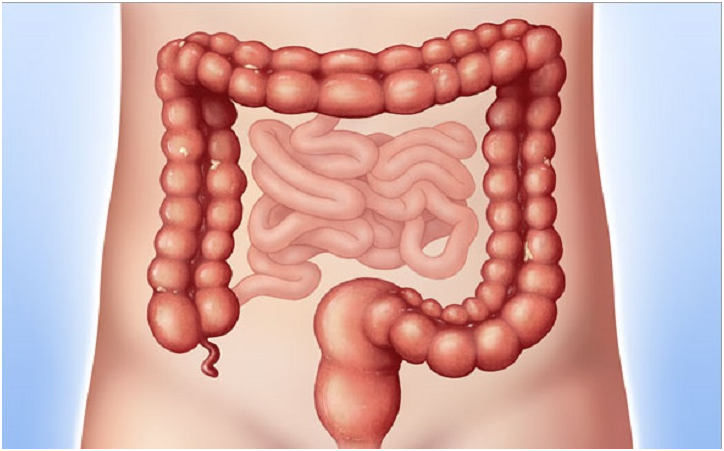
Colorectal cancer, also known as bowel cancer, colon cancer, or rectal cancer, originates in the colon or rectum, the lower part of the digestive system. It typically begins as small, noncancerous growths called polyps, which, over time, can transform into cancerous tumors.

Symptoms of colorectal cancer may not be apparent in its early stages, making regular screenings all the more crucial.

Colonoscopy Screening Explained

A colonoscopy is a diagnostic procedure used to examine the interior lining of the colon and rectum. During the procedure, a long, flexible tube with a camera, known as a colonoscope, is inserted into the rectum to detect any abnormalities, including polyps or tumors.

If polyps are found, they can often be removed during the same procedure, preventing their potential progression to cancer.

Early Detection and Prevention

One of the key benefits of regular colonoscopy screening is the early detection and prevention of colorectal cancer. As mentioned earlier, the development of colorectal cancer often starts with polyps, which can be asymptomatic.

Through regular screenings, these polyps can be identified and removed before they turn cancerous, significantly reducing the risk of developing colorectal cancer.

Moreover, when colorectal cancer is detected at an early stage, the chances of successful treatment and long-term survival increase significantly. The five-year survival rate for localized colorectal cancer is approximately 90%, compared to only 14% for cases that have spread to distant organs.

Therefore, regular colonoscopy screenings play a crucial role in identifying and treating colorectal cancer in its early, more manageable stages.

Screening Guidelines and Frequency

The timing and frequency of colonoscopy screenings depend on various factors, including age, family history, and individual risk factors. In most cases, individuals at average risk should start regular screenings at the age of 50.

However, if there is a family history of colorectal cancer or certain genetic conditions, screenings may be recommended at an earlier age and more frequently.

Typically, if no abnormalities are found during the first colonoscopy, individuals should have another screening every ten years.

If polyps are detected, the follow-up colonoscopy may be advised within three to five years to ensure timely removal of any new growths.

Reducing Cancer Incidence and Mortality

The impact of regular colonoscopy screenings on reducing colorectal cancer incidence and mortality cannot be overstated. Numerous studies have demonstrated that screening programs have led to a decline in both the number of new cases and deaths associated with colorectal cancer.

For instance, a study published in the New England Journal of Medicine found that the implementation of widespread screening programs in the United States led to a substantial reduction in colorectal cancer incidence and mortality over the past few decades.

Similar success stories have been reported in other countries that have prioritized and promoted regular colonoscopy screening.

Addressing Fear and Misconceptions

Despite the well-documented benefits of regular colonoscopy screening, many individuals still harbor fears and misconceptions about the procedure. Concerns about discomfort, embarrassment, or the need for anesthesia can discourage people from getting screened.

It is crucial for healthcare providers and public health organizations to address these concerns and promote awareness about the importance of regular screenings.

Education campaigns, patient testimonials, and advancements in sedation techniques have helped make the procedure more accessible and less intimidating, encouraging more people to undergo regular colonoscopy screening.

Conclusion

Colorectal cancer remains a significant health challenge globally, but it is one that can be effectively addressed through regular colonoscopy screenings. Early detection and prevention are powerful tools in the fight against colorectal cancer, leading to improved treatment outcomes and reduced mortality rates.

By adhering to recommended screening guidelines and raising awareness about the benefits of regular colonoscopy screenings, we can take significant strides towards reducing the burden of colorectal cancer and safeguarding public health.

Accidents can happen at any time, and a knocked-out tooth is one of those unexpected dental emergencies that can leave you feeling anxious and unsure of what to do. Whether it occurs during a sporting event, a fall, or any other unfortunate incident, knowing the right steps to take immediately can make a significant difference in saving the tooth and preserving your oral health. In this article, we will outline the immediate steps to handle a knocked-out tooth effectively.

  • Stay Calm and Act Quickly:

The first and most crucial step is to stay calm and act swiftly. Panic can cloud your judgment, and time is of the essence when it comes to saving a knocked-out tooth. Take a deep breath, assess the situation, and focus on the task at hand. 

  • Retrieve the Tooth:

Locate the knocked-out tooth immediately. Handle it only by the crown (the top part visible in the mouth) and avoid touching the root to prevent further damage. 

  • Rinse Gently:

If the tooth is dirty, gently rinse it with milk or a saline solution. Do not use water, soap, or any cleaning agents, as they can harm the delicate root cells that are essential for successful re-implantation.

  • Attempt to Re-Implant:

If possible, try to re-implant the tooth into its socket. Hold the tooth by the crown and gently push it back into place. Once in position, bite down on a clean cloth or gauze to keep it in place until you can reach a dentist.

  • Preserve the Tooth:

If re-implantation is not possible, preserve the tooth properly to increase its chances of survival. Place it in a container of milk, saline solution, or the person’s saliva. The goal is to keep the tooth moist and avoid drying it out.

  • Seek Immediate Dental Care:

Regardless of whether you were able to re-implant the tooth or not, it’s crucial to seek immediate dental care. Call your dentist or visit the nearest emergency dental clinic as soon as possible. Dental professionals possess the knowledge and equipment necessary to handle this situation effectively.

  • Manage Pain and Bleeding:

If there is bleeding from the socket, apply gentle pressure with a clean gauze or cloth to control it. Over-the-counter pain relievers can be used to manage pain, but avoid placing aspirin or any medication directly on the affected area, as it may cause irritation.

  • Avoid Certain Actions:

To maximize the chances of saving the tooth, avoid specific actions that could harm the tooth or the surrounding area. Refrain from touching the root of the tooth, scrubbing it clean, or wrapping it in a tissue. Additionally, do not attempt to force the tooth back into the socket if it doesn’t easily fit.

  • Use a Cold Compress:

If there is swelling, apply a cold compress to the affected area for 15-minute intervals. This can help reduce swelling and alleviate discomfort.

Conclusion

Remember, time is of the essence when dealing with a knocked-out tooth. Acting promptly and following these immediate steps can significantly increase the likelihood of saving the tooth and promoting a successful recovery. Always seek professional urgent dental care after the emergency to ensure proper treatment and long-term oral health.