Author

Daisy R. Williams

Browsing

There is a growing trend among people to take Delta 8 gummies, looking for a mild, relaxing experience. While many focus on the main ingredient, delta-8 THC, terpenes are also essential to these treats. Terpenes are compounds in many plants, including hemp and cannabis. They give plants their unique smells and flavours. For example, the fresh scent of lemons comes from a terpene called limonene.

Terpenes aren’t just about smell and taste, though. They can also affect how we feel.

When terpenes are combined with delta-8 THC in gummies, they can change the overall effect. This is called the “entourage effect.” It means that the terpenes and delta-8 THC work together to create a different experience than either would on its own.

Common Terpenes in Delta 8 gummies

There are many types of terpenes, but some are more common in Delta 8 gummies.

  • Myrcene – This terpene has an earthy, musky smell and is known for its calming effects.
  • Limonene – With a citrusy scent, limonene may help improve mood.
  • Pinene – Terpenes like this one, as the name implies, have various smells like pine trees. It might help with focus and alertness.
  • Linalool – This terpene has a floral scent and may help with relaxation.
  • Caryophyllene – With a spicy, peppery aroma, this terpene might help reduce stress.

Terpenes Are Added to Delta 8 Gummies

Terpenes can be added to in a few ways.

  • Natural Extraction – Some makers use whole-plant extracts that naturally contain terpenes along with delta-8 THC.
  • Terpene Isolates – Pure terpenes can be added to the gummy mixture during production.
  • Terpene Blends – Companies might create unique blends of terpenes to achieve specific effects or flavours.

Choosing Delta 8 Gummies with Terpenes

When looking for delta-eight gummies with terpenes, consider these factors.

  • Terpene Profile – Look for products that list the specific terpenes used.
  • Quality – Choose it from reputable companies that use high-quality ingredients and provide lab test results.
  • Flavour Preferences – Since terpenes affect the taste, pick flavours you enjoy.

Future of terpenes in Delta 8 gummies

As more research is done on terpenes, we might see new and exciting products. Gummies could be created with precise terpene blends for specific effects by companies that manufacture terpenes. best delta 8 gummies might lead to more people becoming educated on terpenes and making informed choices. While terpenes are generally considered safe, using delta eight gummies responsibly is essential.

Always follow the recommended dosage, and you must; delta-8 THC is legal in the area in which you live. It would help if you spoke to a doctor about your health concerns before trying Delta 8 gummies. The terpenes in Delta 8 gummies play an important role in determining the product’s experience. They are thought to add flavour and aroma and enhance the drug’s effects. Understanding the terpenes involved can help you make better decisions about which Delta 8 gummies might be right for you.

The primary reason regular check-ups with a thyroid health specialist are critical is early detection of thyroid disorders. Thyroid conditions develop gradually, and their symptoms may mimic other health issues. Regular check-ups allow specialists to monitor thyroid function over time and detect any changes before they become severe. Common thyroid disorders include:

  1. Hypothyroidism – An underactive thyroid that doesn’t produce enough hormones.
  2. Hyperthyroidism – An overactive thyroid that produces too many hormones.
  3. Thyroid nodules – Abnormal growths in the thyroid gland.
  4. Thyroid cancer – While rare, early detection is crucial for successful treatment.

By catching these conditions early, thyroid health specialists can initiate appropriate treatment, potentially preventing complications and improving overall quality of life.

Personalized treatment plans

Thyroid disorders affect individuals differently, and what works for one person may not work for another. A Thyroid Health Specialist tailors treatment approaches based on your specific symptoms, medical history, and lifestyle factors. During these check-ups, specialists can:

  • Adjust medication dosages as needed
  • Recommend dietary changes to support thyroid function
  • Suggest lifestyle modifications to manage symptoms
  • Monitor the effectiveness of ongoing treatments

Personalized care ensures you receive the most appropriate care for your unique situation, maximizing thyroid disorder management chances.

Monitoring thyroid function during life changes

Life changes such as pregnancy, menopause, or ageing can significantly impact thyroid function. Regular check-ups are especially helpful during these transitions. For example, pregnancy strains the thyroid gland, potentially leading to thyroid dysfunction. A thyroid health specialist closely monitors thyroid hormone levels during pregnancy to ensure the mother’s and baby’s health. Thyroid disorders are more likely to develop as we age. Keeping an eye on thyroid function over time and making necessary adjustments allows specialists to maintain optimal health.

Addressing related health concerns

Thyroid disorders have far-reaching effects on various aspects of health. When thyroid dysfunction is detected early on, it may be possible to address related health concerns. These may include:

  • Cardiovascular issues
  • Bone health problems
  • Anxiety or depression related to mental health
  • Fertility and reproductive health issues
  • Weight management challenges

By addressing these related concerns, thyroid health specialists improve overall health and well-being, not just thyroid function.

Continuity of care

Establishing a relationship with a thyroid health specialist through regular check-ups ensures continuity of care. This ongoing relationship allows the specialist to develop a comprehensive understanding of your thyroid health history. This makes it easier to identify trends or changes over time. Moreover, it fosters trust and open communication, which are essential to effective healthcare.

Prevention of complications

Untreated or poorly managed thyroid disorders lead to various complications. Regular check-ups help prevent these complications by ensuring thyroid function remains healthy. Some potential complications of untreated thyroid disorders include:

  • Cardiovascular problems
  • Osteoporosis
  • Infertility
  • Mental health issues
  • Myedema and coma
  • A thyroid storm

Cost-effective healthcare

While it may seem counterintuitive, regular check-ups with a thyroid health specialist are cost-effective in the long run. By catching and addressing thyroid issues early, you avoid more expensive treatments and hospitalizations if conditions are left unchecked. Prevention and early intervention are often more affordable than treating advanced thyroid disorders and their complications.

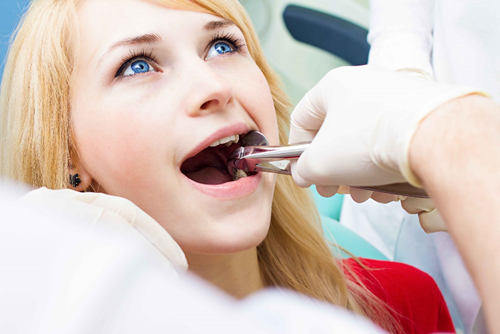
Wisdom teeth, also known as third molars, tend to develop later in life between the ages of 17-25 years old. Their eruption has the potential to greatly impact orthodontic treatment outcomes if not properly monitored and managed. We will analyze several key connections between these two areas of oral healthcare.

Timing of Wisdom Tooth Development

As a dentist performing wisdom tooth extraction in Coal Harbour explains, the timing of wisdom tooth development and emergence can directly coincide with orthodontic treatment in teenagers and young adults. Most people begin braces between ages 10-14, which overlaps with the ages wisdom teeth begin developing under the gums. Clear communication between orthodontists and oral surgeons is crucial to coordinate proper eruption guidance.

Impaction Issues

One major issue is tooth impaction against second molars, which can be exacerbated by orthodontic pressure. Improper angulation and lack of sufficient jaw space also increase the chances of infection and cyst growth over time. If not addressed, damage to adjacent teeth and roots can occur. This is why frequent monitoring through panoramic X-rays is vital during orthodontia.

Need for Tooth Extraction

Insufficient eruption room frequently requires extraction if wisdom teeth become impacted. Removal may be needed before, during, or after the use of braces of clear aligners to prevent complications. The orthodontist and oral surgeon work hand-in-hand to determine the best timing and technique for extraction based on the patient’s specific teeth positioning and jaw anatomy.

Preserving Gap Spaces

Once wisdom teeth are removed, maintaining the open space is crucial for successful orthodontic outcomes. The use of spacers or prosthetic placeholders ensures teeth do not shift into the new gap over time after extraction. This preserves the room for proper positioning of surrounding teeth by orthodontic appliances into the ideal bite configuration.

Jaw Alignment Effects

Wisdom teeth may also exert pressure on back molars, causing orthodontic relapse or misalignment following treatment. This is why retention using a passive brace or clear overlay appliance is critical for 1-2 years after braces are removed. Ongoing adjustment helps keep teeth in position without developing jaw pain or bite issues.

Associated Costs and Insurance Coverage

The combined costs of orthodontia and wisdom tooth removal can place a significant financial burden on those requiring coordination. Dental insurance often covers portions of essential extraction but rarely assists with voluntary removal for orthodontic benefit. Careful review of coverage and payment options is advised for patients and parents early on. Developing wise financial planning is key.

The interaction between developing wisdom teeth and orthodontic treatment involves numerous considerations for optimal outcomes. Being informed on prognosis, effects of impaction, necessity of extraction, post-procedure preservation of space, retention protocol, and insurance coverage is imperative for both doctors and patients alike. Taking a proactive, collaborative approach leads to success.

In Conclusion

Achieving an optimized orthodontic outcome requires strategic coordination around the variable of emerging wisdom teeth. As third molars develop on their timeline, they can uniquely disrupt alignment and positioning if left unmonitored. Rather than view wisdom tooth management as separate from orthodontic care, doctors and patients benefit tremendously from an integrated approach. Embracing consistent communication and a shared game plan for extraction timing, gap preservation, recovery procedures, and preventing post-treatment relapse unlocks maximum treatment potential. By intersecting orthodontics and wisdom teeth early on, coordinating interactive treatment steps proactively, and setting unified retention protocols, patients experience better form, function, and confidence in their smile.