Author

Roger Greene

Browsing

Understanding Rhinoplasty: What You Need To Know

Rhinoplasty, or a “nose job,” is a common surgical procedure that reshapes the nose for cosmetic or functional reasons. It can correct bumps, asymmetry, a broad tip, or breathing issues caused by structural problems. Successful results require precision and a strong understanding of facial anatomy to ensure a natural, balanced look.

The process begins with a detailed consultation where the surgeon evaluates the nose, discusses goals, and may use imaging to show possible outcomes. This helps align expectations and guide the surgical approach.

Rhinoplasty is more than just aesthetic; functional rhinoplasty addresses breathing problems like deviated septums or enlarged turbinates. This dual focus on form and function makes it a complex procedure, requiring both cosmetic and reconstructive expertise.

The Role Of An ENT Surgeon In Rhinoplasty

ENT (Ear, Nose, and Throat) surgeons, or otolaryngologists, are uniquely equipped to perform rhinoplasty due to their specialized training in head and neck anatomy, especially the nasal passages and sinuses. This expertise allows them to address both cosmetic concerns and functional issues, such as breathing difficulties caused by deviated septums or chronic sinus conditions.

Their holistic approach ensures that changes to the nose maintain or enhance nasal function, not just appearance. By treating underlying issues during the procedure, ENT surgeons improve both form and airflow, resulting in more comprehensive outcomes.

Choosing an ENT specialist for rhinoplasty provides patients with a balanced approach that blends surgical precision with an artistic eye. Their ability to anticipate and manage potential complications also contributes to safer procedures and better long-term results.

Benefits Of Choosing An ENT Surgeon For Your Rhinoplasty

Choosing an ENT surgeon for rhinoplasty offers distinct benefits. Their expertise in nasal anatomy ensures both cosmetic and functional improvements, addressing issues like breathing problems while enhancing appearance.

ENT surgeons tailor procedures to each patient’s unique structure and are skilled in making precise, natural-looking adjustments. Their medical training also equips them to manage recovery and minimize complications, leading to smoother healing and long-lasting results.

Common Reasons For Rhinoplasty

People seek rhinoplasty for various reasons, both cosmetic and functional. A common motivation is improving appearance—refining a bulbous tip, straightening a crooked bridge, or resizing a prominent nose can boost self-confidence and facial harmony.

Functionally, many undergo rhinoplasty to address breathing issues caused by structural problems like a deviated septum or enlarged turbinates. These can lead to congestion, snoring, and sleep disturbances, all of which can be improved through surgery.

Trauma is another key reason—injuries can alter the nose’s shape and function. In such cases, reconstructive rhinoplasty helps restore both appearance and breathing, requiring expertise in both cosmetic and functional techniques.

The Rhinoplasty Procedure: What To Expect

Rhinoplasty procedures are personalized and begin with a thorough consultation with your ENT surgeon or a facial plastic surgeon who specializes in rhinoplasty. You’ll discuss goals, medical history, and concerns, while the surgeon evaluates your nasal structure, often using imaging to visualize potential outcomes and set realistic expectations.

On surgery day, anesthesia ensures your comfort. The surgeon will choose either open rhinoplasty, involving a small external incision for full access, or closed rhinoplasty, with internal incisions and no visible scarring, based on the needed changes.

During the procedure, the surgeon reshapes bone and cartilage, possibly grafting tissue or correcting the septum to enhance both appearance and airflow. The surgery may take a few hours. Afterward, a splint supports the nose as it heals, and you’ll be monitored during recovery.

Recovery After Rhinoplasty: Tips And Timeline

Recovery from rhinoplasty is gradual and requires patience. Swelling, bruising, and discomfort around the nose and eyes are common in the first few days. Keeping your head elevated and using cold compresses can help ease symptoms.

Follow your surgeon’s post-op instructions closely—rest, avoid strenuous activities, and attend scheduled follow-up visits to track healing and remove splints or stitches. These appointments also allow you to address any concerns.

Full recovery can take months, with final results becoming visible as swelling fades—sometimes up to a year. Staying in close contact with your ENT surgeon ensures a smooth recovery and the best outcome.

Risks And Complications Of Rhinoplasty

Rhinoplasty, like any surgery, carries risks such as infection, bleeding, and anesthesia reactions, though these are rare. Choosing an experienced ENT surgeon helps minimize these risks. Some patients may experience asymmetry or dissatisfaction, sometimes requiring revision surgery. Realistic expectations and clear communication with your surgeon are essential. Functional issues like breathing problems can also arise if structural concerns aren’t properly corrected. Working with a skilled surgeon who addresses both cosmetic and functional needs, along with careful post-op care, greatly reduces the chance of complications and supports a successful outcome.

How To Choose The Right ENT Surgeon For Rhinoplasty

Choosing the right ENT surgeon is crucial for a successful rhinoplasty. Research surgeons specializing in both cosmetic and functional nasal surgery, ensuring they are board-certified and affiliated with reputable organizations.

Schedule consultations to discuss your goals and assess their experience and approach. Ask for before-and-after photos to evaluate their skill and aesthetic style.

Trust and communication are key. Select a surgeon who listens to your concerns and provides clear information about the procedure, risks, and recovery, ensuring you feel confident throughout the process.

Conclusion: The Importance Of Trust In Your Rhinoplasty Journey

Rhinoplasty is a major decision that requires careful consideration and trust in a skilled ENT surgeon. An experienced surgeon, with expertise in both the aesthetic and functional aspects of the nose, can ensure a safe and satisfying procedure. From your initial consultation to recovery, they will guide you through each step, combining artistry with medical knowledge to improve both your appearance and quality of life.

Choosing the right surgeon is crucial for a successful rhinoplasty experience. Trusting a qualified professional ensures that your goals are understood and that you receive the care and support needed for the best results. With the right expert by your side, you can confidently embark on your journey toward enhanced self-confidence and well-being.
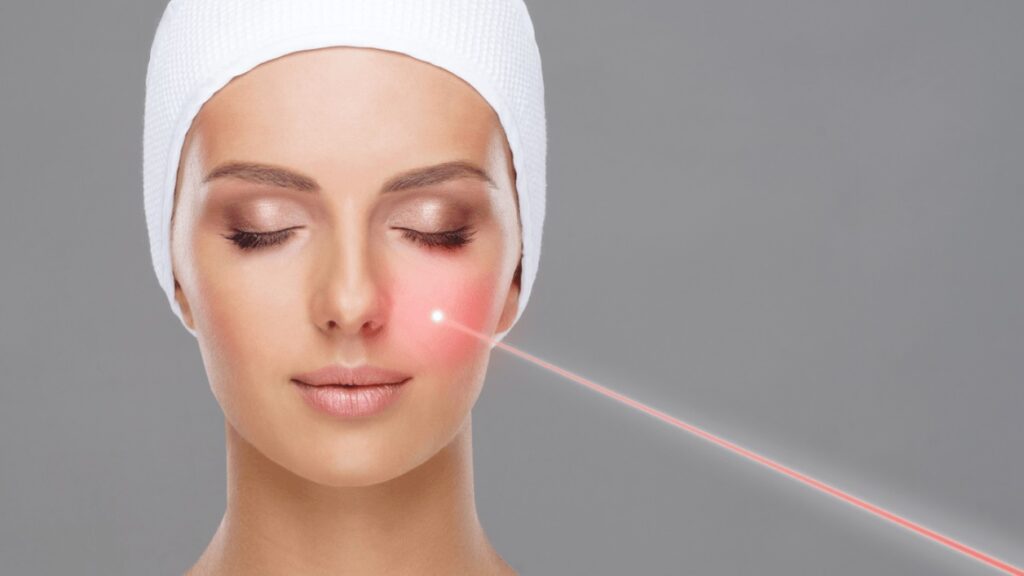
When you travel away from home, dirt and environmental debris accumulate on your face and body. You can include cleansers and toners in your skin care bag to remove environmental debris, oil, and dirt. In addition, your skin needs protection from cold weather. If you travel to areas where the weather is hot, you can carry serums, creams, moisturizers, and gels to treat dehydrated skin.

Soothing Cleanser to Remove Pollutants, Dirt, and Bacteria

You can use Soothing Cleanser on your face, neck, and other areas to exfoliate and remove impurities. It opens the clogged pores and keeps your skin refreshed and conditioned while maintaining its natural oils. It is one of the best travel essentials and suits all skin types. It is cheaper and does not put a dent in your pocket.

Exfoliators to Remove Dead Skin Cells

You must include exfoliators in your skincare routine. You can consider chemical exfoliators that comprise ingredients like glycolic acid, and salicylic acid to dissolve or break the connection between dead skin cells. The loose skin cells are removed during cleansing, making your skin youthful and radiant. The use of exfoliators prevents inflammation and acne by killing harmful bacteria.

Address Skin Concerns with Serums and Creams

You can address skin concerns like inflammation, hyperpigmentation, dark spots, acne, and fine lines using proven serums and lotions. You can choose the right product that suits your skin type, like sensitive, mature, etc. The products consisting of salicylic acid help treat acne, whereas topical steroids treat inflammation and allergies. The common ingredients, like retinoids, help correct fine lines and wrinkles.

SuperHeal Olive Serum is the most effective vitamin C serum with potent antioxidants to treat uneven skin tone, dark spots, dull skin, and rough skin texture. Renowned dermatologists also recommend this product to treat aging signs like wrinkles and fine lines.

It has potent ingredients to even skin tone and brighten it over a while. People with mature, combination, or normal skin types can safely use this serum for improved skin complexion.

The Best Cream for Dry Skin

SuperHeal Olive Cream is made with ingredients like ceramides, hyaluronic acid, and olive leaf extract to nourish and revitalize your dry skin. Consistent use of this olive leaf extract cream plumps and helps reveal radiant and youthful skin. You can regularly use this cream to strengthen and nourish your skin. You can get this product in a sleek and pump bottle in 60 grams. It is beneficial to cure redness-prone, flaky, or dry skin, rough skin texture, and aging signs. It is expensive but worth using for your skin.

Moisturizer for Sunburnt Skin

Icy Blue offers the best treatment for dry skin and sunburns. It hydrates your skin and keeps it cool. It treats sunburnt or inflamed skin and revives lifeless skin. It also removes aging signs. You can apply this gel from head to toe daily, twice, for maximum skincare benefits. It is also cheaper.

Eye Creams for Travel

Eye creams are formulated with potent ingredients to treat dark circles, puffiness, and wrinkles. The best vitamin C skin care products, like Eye Firming Cream, address several issues.

It is the best cream to strengthen sagging skin by enhancing collagen secretion. It also treats dark spots and uneven skin tone. Consistent use of this cream will help you remove wrinkles and fine lines and maintain healthy and firm skin.

Conclusion

Travelers face several skin care issues: dry skin, bleeding limbs in cold weather, oily skin because of clogged pores, etc. They can carry essential skin care products like gels, moisturizers, cleansers, serums, lotions, and sunscreen in travel kits to maintain healthy and radiant skin.


When you’re trying to conceive, exploring natural and holistic methods can make a big difference. One promising avenue is acupuncture for fertility in Atlanta. This traditional Chinese medicine technique has gained popularity for its ability to support the reproductive process and improve the chances of conception.

How Acupuncture Supports Fertility

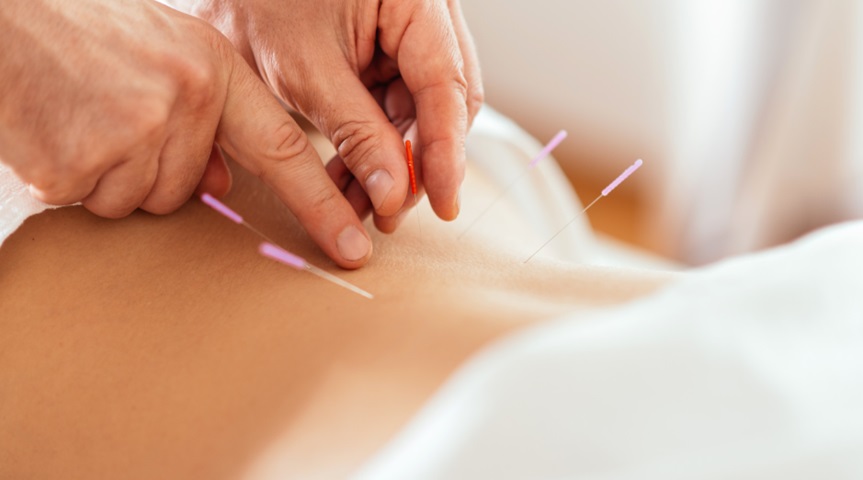
Acupuncture is based on balancing the flow of energy (or “Qi”) in the body. This practice involves inserting thin, sterile needles into specific points to stimulate the body’s natural healing processes. For fertility, acupuncture targets areas that regulate hormones, improve blood flow, and reduce stress—all of which are vital for reproductive health.

Hormonal Regulation

Hormonal imbalances are a common obstacle when it comes to conception. Acupuncture may help restore hormonal balance by improving communication between the brain and ovaries. This can lead to a regulated menstrual cycle, better ovulation, and increased chances of implantation.

Blood Flow Enhancement

Healthy blood flow to the uterus and ovaries is crucial for fertility. Acupuncture increases circulation in these key areas, ensuring they get the nutrients and oxygen needed for optimal function. This makes the uterine lining healthier and more receptive to an embryo.

Stress Reduction

Stress can significantly affect fertility by disrupting hormonal balance and ovulation. Acupuncture has a calming effect, helping individuals reduce stress and anxiety. Many patients report feeling relaxed and more centered after each session, which can positively influence their overall reproductive health.

Combining Acupuncture and Herbal Support

Pairing acupuncture with traditional herbal medicine can amplify its effects. Herbs work to further balance the body’s internal systems, supporting both male and female fertility. To learn more about the importance of herbs in enhancing fertility, check out this insightful post. It highlights how these natural approaches can complement each other to create a stronger foundation for conception.

Acupuncture for Specific Fertility Challenges

Acupuncture can address a variety of fertility-related issues. Whether someone is facing irregular cycles, unexplained infertility, polycystic ovary syndrome (PCOS), or challenges following assisted reproductive technologies (ART) like IVF, acupuncture can be tailored to their unique needs.

Supporting IVF and Other Treatments

When combined with ART procedures, acupuncture has shown promise in improving success rates. It prepares the body by improving egg quality, reducing inflammation, and creating an optimal environment for implantation. For many, this dual approach provides an extra layer of support during the IVF process.

Addressing Male Fertility

Fertility is often a team effort, and male factors play an important role. Acupuncture can also benefit men by improving sperm quality, motility, and count. Reduced stress and better blood flow to the reproductive system significantly enhance male fertility potential.

Conclusion

Acupuncture is not just about physical adjustments—it supports emotional and mental well-being as well. Whether you are just beginning your fertility journey or have been trying to conceive for some time, this holistic method offers a gentle and effective path forward. By addressing the root causes of fertility issues while promoting overall health, acupuncture can help individuals feel more in tune with their bodies, improving their chances of conception naturally.