
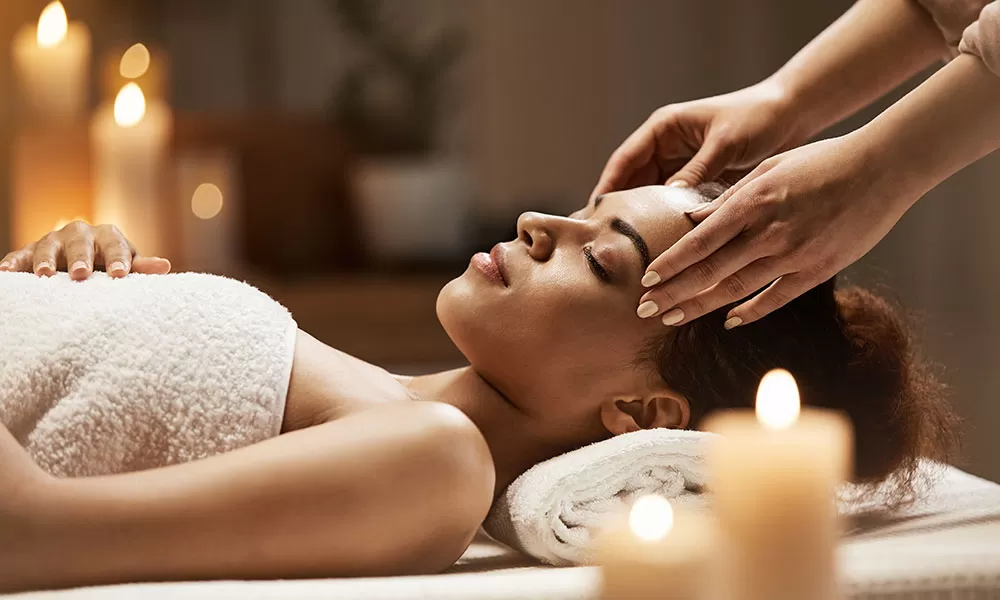
Shared reduction sessions provide partners anexpressive method to rejoin while enabling body strain through guided touch. Numerous pairs consider couples massage therapy a helpful option that promotes circulation,decreases tension, andadvances mood through coordinated techniques. Interest continues rising because structured touch supports wellness goals while nurturing emotional harmony within relationships seeking practical renewal together.
Why choose shared sessions today?
Partners frequently seek joint relaxation because synchronized techniques calm nerves, support circulation, andimprovesuppleness. Coordinated movements from trained practitioners guide muscles toward release while a steady rhythm encourages mental ease. This combined setting builds trust, strengthens connection, and nurtures communication through nonverbal signals, which reinforce relationship stability over time.
How does synchronized touch help?
Mirrored motions applied to two individuals at once stimulate sensory receptors, promote hormone balance, and support tranquil awareness. The brain interprets matched pressure as reassurance, which reduces alert signals linked with strain. Gradual sequences maintain a consistent tempo so both participants reach similar relaxation depth during the same timeframe.
Which features define quality sessions?
High-standard environments maintain professionalism and safety consistency, which ensures effective results for participants seeking reliable care.
- Certified practitioners apply balanced pressure techniques, ensuring muscle relief while maintaining proper alignment throughout sessions
- Clean surroundings promote hygiene standards supporting relaxation, confidence, trust, and satisfaction during each scheduled appointment period
Is preparation required before sessions?
Simple preparation improves outcomes because hydrated muscles respond better to manipulation. Light movement beforehand loosens joints and prepares circulation readiness. Evading heavy intake prior lets the body to focus on therapeutic response rather than digestion, which supports steadier relaxation throughout the period.
How often attend paired sessions?
Frequency depends on lifestyle strain, activity level, and personal goals. Many pairs choose weekly visits for maintenance, while others prefer regular schedules for general well-being. Reliable attendance trains muscles to release tension faster, which slowlyadvances flexibility, resilience, and endurance.
What results appear afterward, usually?
Post-session effects vary, yet many notice measurable physical and mental improvements within hours.
- Looser muscles allow freer movement, reducing stiffness, enhancing posture stability, and supporting daily task performance efficiency
- Calmer nerves encourage better rest, improving alertness, motivation, and productivity throughout the following routine activities in the next cycle
Who should avoid joint sessions?
Certain people with acute injuries, severe inflammation, or transmissible conditions should delay participation until recovery happens. Specialized guidance helps determine readiness because safety remains a priority. Waiting prevents aggravation, protects tissues, and ensures future sessions deliver full benefit without risk.
Selecting coordinated treatment can transform partnership comfort by blending therapeutic motion with attentive occurrence. This practice strengthens trust, deepens affection, and enhances resilience against daily pressure. Specialists tailor pressure rhythm duration so participants gain maximum value from each visit. When measuring options, consider trainer skill,atmosphere quality, and personal ease level before booking. Thoughtful selection leads to long-lasting satisfaction, improved vitality, and stronger interpersonal unity. For those exploring holistic bonding solutions, couples massage therapy stands as a reliable path toward sustained balance, shared vitality, long term.

Comments are closed.