Introduction: Aging Well with the Right Support
Aging gracefully is not just about maintaining physical health; it encompasses a holistic approach that includes mental wellness, social engagement, and the right support systems. As you age, the need for certain types of assistance may increase, yet the desire for independence often remains strong. Modern advancements in healthcare and technology, such as hearing aid devices and customized home support, have made it possible for seniors to enjoy a high quality of life while retaining their autonomy.
In recent years, there’s been a growing recognition of the importance of addressing hearing health as a crucial component in maintaining independence. While some may consider hearing loss a minor inconvenience, it can significantly impact your daily interactions and overall well-being. By prioritizing hearing care and leveraging the benefits of discreet hearing solutions, you can enhance your life experiences and remain actively engaged in your community.
Moreover, the integration of professional audiology support with tailored in-home care services creates a comprehensive framework that supports seniors in their journey towards aging well. This article explores the multifaceted benefits of combining hearing care with home support to improve daily living, emphasizing the collaborative efforts of audiology specialists, family caretakers, and healthcare providers.
The Overlooked Link Between Hearing Health and Independence
Hearing health plays a pivotal role in maintaining your independence as you age. Unfortunately, it’s often overlooked until it becomes a significant problem. Hearing loss can lead to feelings of isolation, frustration, and even depression, which may diminish your quality of life. By addressing hearing issues early with routine hearing evaluations, you can prevent these negative outcomes and enjoy a more fulfilling life.
How Hearing Health Affects Independence:
- Communication Challenges: Difficulty in hearing can make conversations hard to follow, leading to social withdrawal.
- Safety Concerns: Impaired hearing might prevent you from hearing alarms, traffic sounds, or important announcements.
- Cognitive Decline: There’s a documented link between untreated hearing loss and cognitive difficulties, making hearing care a priority for mental health.
Regular senior hearing check-ups and professional audiology support can mitigate these issues. Audiology specialists can provide guidance on the best hearing aid devices that suit your lifestyle, ensuring you remain connected with your surroundings and loved ones.
Modern Hearing Aids: A Small Device with a Big Impact
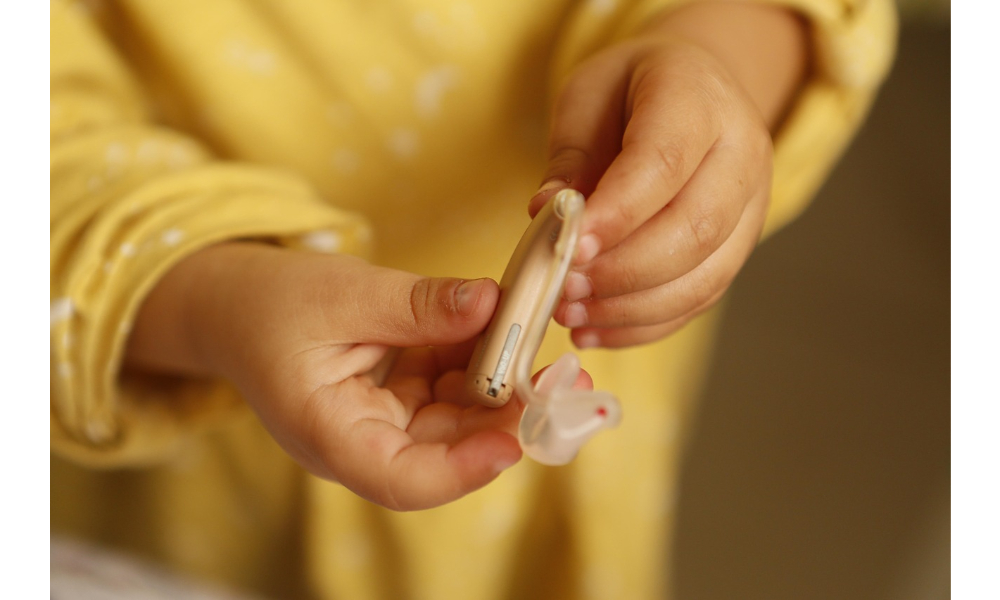
Today’s hearing aid devices are a far cry from the bulky, conspicuous models of the past. Technological advancements have led to the development of sleek, discreet hearing solutions that are both effective and unobtrusive. These devices are designed not only to improve hearing but also to enhance your overall quality of life.
Benefits of Modern Hearing Aids:
- Enhanced Sound Quality: Modern devices offer superior sound clarity, allowing you to hear conversations and sounds clearly, even in noisy environments.
- Connectivity Features: Many hearing aids now come equipped with Bluetooth technology, enabling seamless integration with smartphones and other devices.
- Customization Options: Audiology specialists can tailor hearing aids to your specific hearing needs, ensuring maximum comfort and effectiveness.
Investing in a suitable hearing aid device can transform your daily interactions and reduce the strain on family caregivers who might otherwise need to assist with communication. By embracing these technologies, you take a proactive step towards maintaining your independence and enjoying a richer, more connected life.
The Importance of Regular Hearing Tests and Audiology Support
Routine hearing evaluations are a cornerstone of effective hearing care. Just as regular physical check-ups are essential for your health, so too are hearing tests crucial for maintaining your auditory wellness. Audiologists play a key role in this process, offering professional audiology support that can diagnose issues early and recommend appropriate solutions.
Why Regular Hearing Tests Matter:
- Early Detection: Identifying hearing loss early allows for quicker intervention, preventing further deterioration.
- Tailored Solutions: Audiologists can customize hearing aids and provide strategies to address your specific needs.
- Ongoing Support: Regular check-ups ensure your hearing aids are adjusted as necessary, keeping them in optimal condition.
By prioritizing regular hearing tests, you can stay ahead of potential issues and ensure that your hearing aids function effectively. This proactive approach not only improves your daily communication but also alleviates some of the burdens on family caretakers, who can focus on providing emotional and physical support rather than managing hearing-related challenges.
When Hearing Meets Homecare: A Complete Approach to Senior Wellness
Combining hearing care with customized home support creates a holistic approach to senior wellness. Tailored in-home care services provide the assistance you need to maintain your independence, while hearing aids enhance your ability to communicate and engage with your environment.
Integrating Hearing Care and Home Support:
- Daily Living Assistance: Homecare professionals can assist with daily tasks, ensuring you live comfortably and safely.
- Enhanced Communication: With improved hearing, interactions with caregivers and family members become more meaningful and less frustrating.
- Personalized Care Plans: Combining audiology support with home care allows for a care plan that addresses both your auditory and physical needs.
This integrated approach not only improves your quality of life but also reduces stress for family caregivers. By ensuring that both hearing and home care needs are met, you create an environment that supports healthy, graceful aging.
The Role of Family Caretakers in Coordinating Care
Family caregivers are often the unsung heroes in the journey of aging gracefully. Their role in coordinating care is crucial for implementing a successful support system that includes hearing care and home assistance. With the right guidance, family caretakers can effectively manage these responsibilities, ensuring that you receive the best possible care.
Key Responsibilities of Family Caretakers:
- Coordinating Appointments: Scheduling routine hearing evaluations and in-home care visits to maintain consistent support.
- Monitoring Needs: Observing changes in hearing and other health areas, and communicating with audiologists and healthcare providers as necessary.
- Providing Emotional Support: Offering encouragement and understanding to help you navigate the challenges of aging.
In some cases, families also rely on professional support to ease these responsibilities. Organizations such as Alpenglow Homecare Missoula note that in-home caretakers can provide essential day-to-day assistance while working alongside family caregivers to ensure continuity of care. By blending professional guidance with the personal touch of family, older adults benefit from a more holistic and reliable support system.
By supporting family caregivers through education and resources—and when needed, complementing their efforts with in-home care—you empower them to play an active role in your wellness journey. This partnership fosters a nurturing environment where you can thrive, knowing that your loved ones are equipped to provide effective and compassionate care.
Conclusion: Aging Gracefully Is About Connection and Care
Aging gracefully involves more than simply growing older; it’s about ensuring you have the right support to lead a fulfilling, independent life. By prioritizing hearing care through routine check-ups, utilizing modern hearing aid devices, and integrating these with personalized home support, you create a harmonious balance that enriches your daily experiences.
The combined efforts of audiologists, hearing specialists, and family caretakers form a robust support network that addresses both your physical and emotional needs. This collaboration is essential for maintaining independence, improving communication, and reducing the stress on caregivers.
Call to Action: Embrace proactive hearing care and personalized in-home care services to maintain your independence, enhance daily communication, and ease the burden on family caregivers. By working together with audiology specialists and family caretakers, you can create a supportive and enriching environment for a graceful aging journey. Take the first step today by scheduling a hearing evaluation and exploring customized home support options. Your future self will thank you for the care and connection you foster now.