
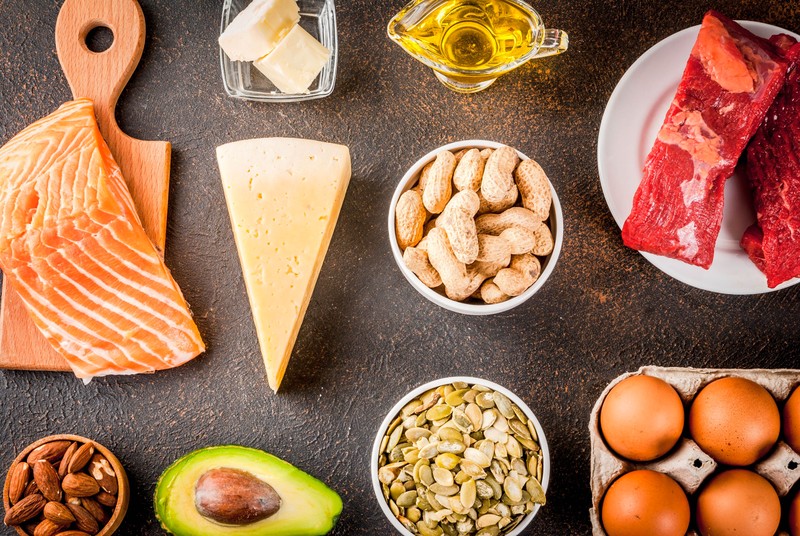
Atherosclerosis, or arterial plaque, is a significant risk factor for heart attacks and strokes. Secondly, diet affects atherosclerosis development and management. Low-carb diets are popular for weight loss and other health benefits, but their effect on atherosclerosis is still debated. So, this article examines the relationship between atherosclerosis and a low-carb diet, examining the pros and cons of a multifaceted approach to treatment.
Gratitude atherosclerosis
Firstly, Atherosclerosis is a difficult condition that slowly builds plaque in arterial walls. This plaque contains inflammatory cells, calcium deposits, cellular debris, cholesterol, and fatty compounds. So, plaque development stiffens arteries, reducing blood flow and risking cardiovascular disease.
Nutrition and Heart Disease
Secondly, diet affects the development of atherosclerosis. High LDL-C, or “bad” cholesterol, may be induced by dietary cholesterol, trans fats, saturated fats, and excess calories. LDL-C levels generate arterial plaque, making them a key risk factor for atherosclerosis.
Lower-Carb Diets and Heart Disease
Thirdly, low-carb diets, which contain a lot of fat and protein and little carbs, are becoming increasingly popular for weight reduction and diabetes glycemic management. These diets restrict carb-rich foods including bread, pasta, rice, and sweets.
Low-carb diets may affect atherosclerosis:
Lower carbohydrate intake: Low-carb diets enhance glycemic control and reduce blood triglycerides, a kind of fat associated to cardiovascular disease, by reducing refined carbohydrates and sweets.
Weight Control
Also, diets low in carbs may aid weight loss and reduce obesity risk, a significant atherosclerosis risk factor.
Insulin Sensitivity Increase
Some research suggests that low-carb diets may improve insulin sensitivity and reduce insulin resistance in diabetics and atherosclerosis patients.
Lowering LDL-C
Low-carb diets may reduce LDL-C levels, a key risk factor for atherosclerosis.
Scientific Proof
The complex relationship between low-carb diets and atherosclerosis is inconsistently studied. In brief, some key findings:
Weight loss and cardiometabolic risk factors
Several studies have connected low-carb diets to weight loss, decreased triglycerides, and higher HDL cholesterol.
LDL-C impacts
People’s LDL-C levels vary with low-carb diets. LDL-C may rise or decrease. The kind and quality of fat in a low-carb diet may impact this result.
Long-term vs. shorter
Many studies on low-carb diets and atherosclerosis concentrate on immediate effects. More study is required on long-term low-carb diets and cardiovascular health.
Moderate-Intensity Low-Carb Diets
Well-balanced low-carb diets may help with atherosclerosis:
Standards for carbs
Instead of avoiding carbs, eat high-quality, complex carbs from whole grains, legumes, and vegetables. These provide fiber and nutrients while lowering blood sugar.
Good Fats
Select unsaturated fats from nuts, seeds, avocados, and fatty seafood. These fats may reduce atherosclerosis risk and improve lipids.
Restraint
Protein should be eaten in moderation to avoid saturated fat, which is bad for your heart.
Fiber-rich foods
Your low-carb diet should include fiber-rich fruits, vegetables, and whole grains. While promoting digestion and satiety, fiber may also benefit heart health.
Frequent Checks
Monitor your lipid profiles and other cardiovascular risk variables under a doctor’s supervision to determine how eating affects atherosclerosis risk.
Rationale for Balanced Strategy
A balanced low-carb diet may help cure atherosclerosis, but there are certain important considerations:
Personal Differences
People may respond differently to low-carb diets. Therefore, diet, genetics, and other variables affect atherosclerosis risk.
Intake of nutrients
To ensure you’re receiving enough vitamins, minerals, fiber, and other nutrients, watch your intake. Nevertheless, nutrient deficiencies may be dangerous.
Consult a Doctor
Before making major dietary changes, especially for people with special dietary needs or pre-existing medical conditions, consult a doctor or dietician.
Extra Durability
Consider the long-term sustainability of a low-carb diet. Create a consistent dietary habit to enhance cardiovascular health.
In summary
In conclusion, food choices affect the development and management of atherosclerosis, a severe health concern. Also, a balanced low-carb diet with excellent fats, high-quality carbohydrates, and regular monitoring may reduce cardiovascular disease and atherosclerosis risk.
However, low-carb diets’ effects on atherosclerosis are complex and individual. Take individual health needs into consideration, monitor nutrient intake, and consult a doctor or trained dietitian before making major dietary changes. Ultimately, curing atherosclerosis requires a heart-healthy diet that meets your needs.