
Category

Health

Category

As exploding demand for Delta 8 vape cartridges drives up prices, many consumers feel increasingly priced out of the therapeutic cannabinoid’s reach. Shifting towards reusable cartridge systems provides budget-friendly long-term access along with other consumer perks beyond just savings. Conventional Delta 8 carts certainly offer immense advantages like precise dosing and quick effects that make the innovative products, so disruptively popular despite higher costs than old-school flower options. Delta 8 enthusiasts praise refillable cartridges’ numerous upsides making vaping more affordable, and environmentally friendly.

  • 30-50%+ pricing savings – Buy affordable bulk distillate for filling tanks eliminating per unit cart markup.
  • Wider strength variety – Mix and match strains or cannabinoid ratios catering to individual needs.
  • Enhanced supply reliability – Stockpile bulk oils easily cover gaps from market shortages.
  • Improved freshness – Use limited batch inventory faster before oxidization degrades quality.
  • Eliminated hardware waste – Replace atomizers sparingly rather than tossing carts every 2 weeks.

While requiring a modest upfront investment in filling supplies, reusable cart and syringe refill kits quickly offset costs through considerable long-term savings and customization abilities.

Crafting optimal delta 8 vape experiences

Beyond direct economic incentives, refillable cartridges further empower vaping enthusiasts to creatively fine-tune experiences.

  • Boost potency – For heightened impacts, fill tanks with pure 95-99% distillates rather than standard 75% blends cut with thickeners.
  • Control dilutions – Soften effects by mixing milder cannabinoids like CBD, CBN, or CBG with Delta 8 before transferring into empty carts.
  • Formula save strains – Test out custom terpene and cannabinoid combos by designing personalized vape formulas.
  • Microdose with precision – Carefully measure minimal amounts for sub-perceptual regimens.

Driven by economic pragmatism at first, creative aficionados often become passionate about incrementally improving techniques and formulas over time – unlocking the best delta 8 carts advantages to their fullest potential through DIY innovation.

Important refillable cartridge considerations

While reusable systems promise tremendous upside, ensuring optimal user experiences requires awareness of a few key factors upfront.

  • Source high-quality empty carts – Low-grade builds risk leaking and waste while exposing users to contaminant risks. Stick with proven, lab-tested hardware matching intended viscosity levels.
  • Employ proper filling procedures – Follow best practice guides when transferring oils to efficiently fill carts without introducing bubbles hampering vape flow.
  • Accept some trial and error – Perfected techniques and ideal viscosity/terpene formulas come only with patient incremental experimentation. Pursue mastery in thoughtful increments.
  • Remain vigilant against leaks – Frequently inspect cart connections with cleaning/tightening as needed even if that means more frequent hardware replacement.

While refillable cartridge systems demand some initial adjustments from conventional setups, once mastered the substantial control and cost savings can’t justify returning to restrictive prefilled models for seasoned vape enthusiasts. As demand for Delta 8 vapes intensifies, reusable cartridge solutions help budget-conscious consumers sustainably unlock cannabinoid advantages at fractional costs compared to conventional prefilled offerings. Refills additionally encourage purposeful experimentation, and waste reduction – attractive secondary perks bolstering primary economic incentives. Despite requiring incremental skill building for smooth operations, reusable cartridge solutions’ potential upsides warrant consideration from both casual and power Delta 8 vapers alike.

From wound care to pain management, laser therapy harnesses the power of light to heal the body. This innovative treatment method is gaining popularity for many medical applications. Laser therapy involves using concentrated beams of light to generate therapeutic effects in tissue and cells. Lasers deliver photons into damaged areas to improve blood flow, reduce inflammation, ease pain, and accelerate healing. It provides targeted biological stimulation without medications or invasive procedures. During treatment, laser energy is absorbed by cellular photoreceptors and converted to biochemical energy. It energizes and alters cell function in various helpful ways according to its settings. Lasers stimulate or inhibit cell activity. Daily or weekly treatments often provide optimal benefits.

Understanding the science

Laser therapy harnesses specific wavelengths of light. When these light particles (photons) are emitted and absorbed by cells, they initiate positive physiological changes.

  • Increased blood flow – Laser irradiation prompts vasodilation to boost blood flow to treated areas. Better circulation delivers more oxygen and nutrients for healing.
  • Reduced inflammation – Lasers help modulate inflammation, reducing swelling and discomfort.
  • Pain relief – By blocking pain signals and stimulating endorphin release, lasers provide analgesic effects.
  • Accelerated healing – Photobiomodulation enhances cell energy production and function for faster healing.
  • Improved immunity – Certain laser wavelengths stimulate immune cell activity to aid tissue repair.
  • Nerve regeneration – Studies show lasers help regenerate and repair damaged nerve tissue more quickly.

These photobiological effects make laser therapy a versatile treatment for an array of medical problems.

Common uses of laser therapy

Some frequent uses and applications of laser therapy include:

  • Wound healing – Diabetic ulcers, burns, scars. Promotes granulation and new tissue growth.
  • Pain management – Arthritis, joint pain, back/neck pain, sprains, neuropathy. Eases inflammation and discomfort.
  • Sports injuries – Sprains, strains, tendonitis, contusions. Accelerates recovery and function.
  • Dental – Gum disease, oral ulcers, post-surgical healing. Reduces pain and fast-tracks recovery.
  • Dermatology – Psoriasis, eczema, acne. Reduces inflammation and itching.
  • Nerve repair – Carpal tunnel syndrome, peripheral neuropathy. Stimulates nerve regeneration.
  • Hair growth – Androgenetic alopecia (pattern baldness), improving thickness.

Patients report significant pain relief, improved mobility, faster recovery from injuries, and enhanced quality of life from laser therapy. It continues to gain prominence at many pain clinics, physical therapy offices, and medical facilities.

Laser devices and treatment process

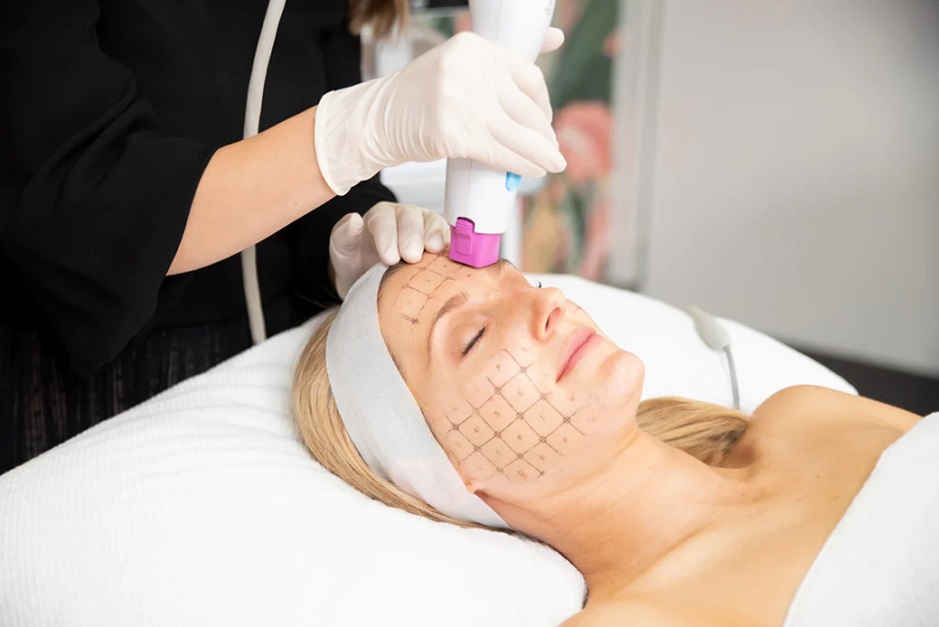
Laser therapy devices contain diode lasers that emit light through glass fibers into targeted treatment zones. Many different device types and designs exist. Handheld lasers direct light using probes applied to the skin surface. Large stationary units allow the treatment of multiple sites at once. During a typical treatment session, a clinician will guide the laser probe over the affected area, delivering therapeutic wavelengths that penetrate tissue without damaging it. Most treatments last 15-30 minutes depending on size and location. You simply relax while the light therapy takes effect.

The process is non-invasive and painless. Your eyes will be protected from direct laser exposure. Since photobiomodulation affects cellular function without heat or damage, there are no side effects and the treatment is very safe. Home laser therapy devices are also available for personal use between clinic visits. These help continue beneficial light treatments. Your clinician recommends suitable at-home options.

Individuals of every age group like to keep their skin healthy and glowing. However, many men and women suffer from a variety of skin health problems. If you are a new or regular user of any skin-related product and unable to get the desired skin health, then you must immediately contact a board-certified dermatologist in your region.

Sufferers of acne, pimples, blemishes, allergy, and rashes need immediate attention. They can get high-quality and affordable treatments when they find and contact a good dermatologist. They can use the best guidelines designed to learn more about choosing a dermatologist on time and make positive changes in their skincare activities.

Research the basics of dermatology services 

You may need an expert to deal with any type of skin problem. You must ensure your reason to contact a dermatologist first. This is because you have to get the right treatment on time. You must check the official website of the dermatology clinic and focus on the personal profile of every dermatologist working on it. You have to conduct a proper background check before choosing a dermatologist.

Successful dermatologists in reliable clinics are highly skilled in treating almost every skin problem. You can ask your friends and family members to help you find and contact a qualified dermatologist in the local area. You must check the credentials and experience of the dermatologist to be successful in your approach to making an appointment with the right dermatologist and fulfilling your skincare needs.

A positive patient experience is one of the most important factors to consider when you decide to learn more about choosing a dermatologist without complexity. You must double-check the most important things like customized care, understanding patient expectations, looking for skills, improved patient safety, and friendliness. The communication skills of the dermatologist play the main role in the overall convenience of patients to get prompt and friendly assistance.

Patient-centric communication is very important to understand the individual needs, perspectives, and values of patients. If a dermatologist is actively listening to the concerns of patients, then he or she can make an informed decision and address these things with clarity. You can spend enough time to evaluate the communication style of dermatologists and make certain about the dermatology treatment options.

Get the cheap and best dermatology treatments on time 

Checking the certification and credentials of dermatologists on their official website is one of the easiest ways to decide whether to make an appointment or not. You can contact a board-certified dermatologist in your local area and discuss important aspects of your skincare issues and the treatment options available. This is because you must clarify any doubt about the dermatology treatment before the treatment process starts. You can also contact your insurance provider when you are unsure of whether you can claim your insurance for your skincare treatment in the dermatology clinic.

Keep in mind that cosmetic dermatology procedures like treatments for wrinkles are not usually covered by insurance policies. You can consult with a well-experienced dermatologist to get enough assistance to alleviate the symptoms of skin conditions. You can get the best options to treat your skin problems and make an informed decision to use one of these options.