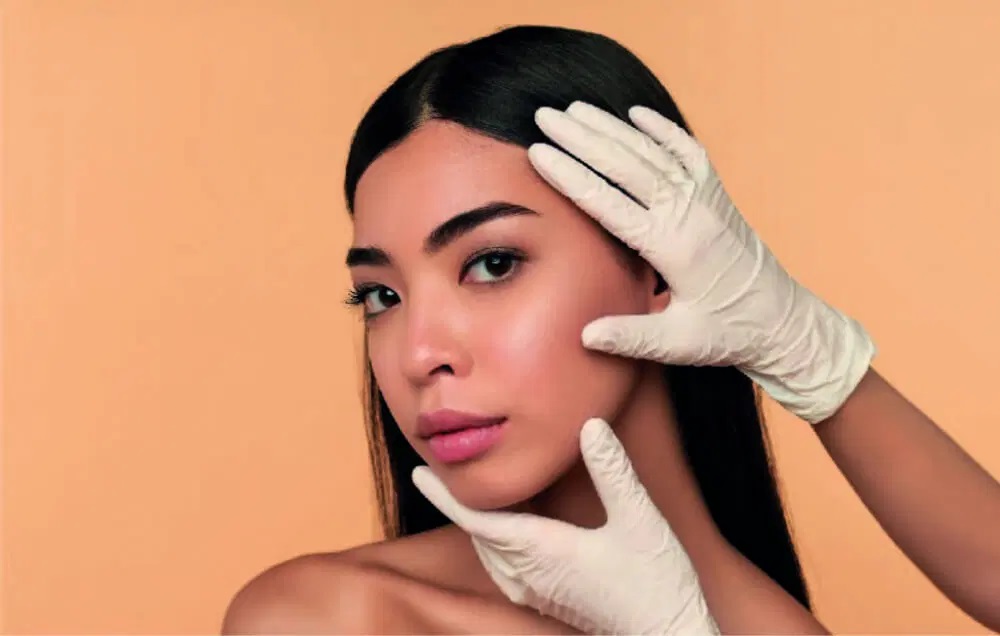
Laser skin clinics in Melbourne offer a plethora of treatments catering to various skincare needs. Discover the wonders of laser technology and the diverse range of services designed to revitalize your skin. Whether you’re seeking laser hair removal or skin rejuvenation, these clinics provide innovative solutions tailored to your unique needs. In Melbourne, laser skin clinics offer various treatments aimed at addressing various skin concerns and improving overall skin health and appearance.
Introduction
Melbourne’s laser skin clinics are at the forefront of skincare innovation, utilizing cutting-edge technology to address a multitude of concerns. From tackling unwanted hair to combating signs of aging, these clinics offer a holistic approach to skincare. Let’s delve into the world of laser skin treatments and explore the transformative possibilities awaiting you.
Understanding Laser Skin Clinics
Laser skin clinics harness the power of advanced laser technology to address various skincare concerns effectively. These clinics employ trained professionals who specialize in administering safe and efficient treatments tailored to individual needs.
The Evolution of Laser Technology
Explore the evolution of laser technology in skincare and its revolutionary impact on treatment efficacy and patient comfort.
Popular Treatments Offered
Discover the diverse array of treatments available at laser skin clinics in Melbourne, each designed to target specific skincare concerns with precision.
Laser Hair Removal
Bid farewell to unwanted hair with laser hair removal treatments, offering long-lasting results and minimal discomfort.
Skin Rejuvenation
Reverse the signs of aging and restore youthful vitality to your skin with innovative skin rejuvenation procedures, including laser resurfacing and photo facials.
Acne Treatment
Combat stubborn acne and achieve clear, blemish-free skin through specialized laser acne treatments tailored to your skin type.
Pigmentation Correction
Address uneven skin tone and hyperpigmentation with targeted laser treatments, effectively minimizing discoloration and revealing a radiant complexion.
Scar Reduction
Minimize the appearance of scars caused by acne, injury, or surgery with advanced laser techniques, promoting smoother, more even skin texture.
Tattoo Removal
Say goodbye to unwanted tattoos with laser tattoo removal treatments, offering safe and effective results without damaging surrounding skin tissue.
Vascular Lesion Treatment
Effectively treat vascular lesions, such as spider veins and broken capillaries, with non-invasive laser procedures, restoring skin clarity and uniformity.
Skin Tightening
Achieve firmer, more youthful-looking skin with laser skin tightening treatments, stimulating collagen production for long-lasting results.
Cellulite Reduction
Reduce the appearance of cellulite and achieve smoother skin texture with targeted laser therapies, enhancing body contour and confidence.
Vein Therapy
Address varicose and spider veins with specialized laser vein therapy, promoting improved circulation and cosmetic enhancement.
The Benefits of Laser Skin Treatments
Experience the numerous benefits of laser skin treatments, including minimal downtime, customizable treatment plans, and noticeable results.
FAQs (Frequently Asked Questions)
Are laser skin treatments safe?
Laser skin treatments are generally safe when performed by trained professionals. However, it’s essential to undergo a consultation to assess your suitability for treatment and address any concerns.
How many sessions are required for laser hair removal?
The number of sessions required for laser hair removal varies depending on factors such as hair color, skin type, and treatment area. Typically, multiple sessions are needed to achieve optimal results.
Is laser skin rejuvenation suitable for all skin types?
Laser skin rejuvenation can be customized to suit various skin types and concerns. However, individuals with certain skin conditions may not be suitable candidates for treatment. It’s best to consult with a skincare specialist to determine the most suitable approach for your needs.
Are laser treatments painful?
Laser treatments are generally well-tolerated, with minimal discomfort reported by most patients. However, individual pain tolerance may vary, and some treatments may cause mild sensations of warmth or tingling.
Is there any downtime after laser treatments?
The downtime associated with laser treatments is typically minimal, allowing patients to resume their normal activities shortly after treatment. However, some procedures may involve temporary redness or swelling, which usually subsides within a few hours to days.
How long do the results of laser treatments last?
The longevity of results from laser treatments varies depending on the treatment type, individual skin characteristics, and lifestyle factors. In general, most patients can enjoy long-lasting results with proper skincare maintenance and periodic touch-up treatments.
Conclusion
Melbourne’s laser skin clinics offer a gateway to radiant, youthful skin, utilizing advanced technology and personalized treatments to address a myriad of skincare concerns. From laser hair removal to skin rejuvenation, these clinics provide transformative solutions tailored to individual needs, allowing you to embrace your best self with confidence.