
Category

Health

Category

Understanding Rhinoplasty: What You Need To Know

Rhinoplasty, or a “nose job,” is a common surgical procedure that reshapes the nose for cosmetic or functional reasons. It can correct bumps, asymmetry, a broad tip, or breathing issues caused by structural problems. Successful results require precision and a strong understanding of facial anatomy to ensure a natural, balanced look.

The process begins with a detailed consultation where the surgeon evaluates the nose, discusses goals, and may use imaging to show possible outcomes. This helps align expectations and guide the surgical approach.

Rhinoplasty is more than just aesthetic; functional rhinoplasty addresses breathing problems like deviated septums or enlarged turbinates. This dual focus on form and function makes it a complex procedure, requiring both cosmetic and reconstructive expertise.

The Role Of An ENT Surgeon In Rhinoplasty

ENT (Ear, Nose, and Throat) surgeons, or otolaryngologists, are uniquely equipped to perform rhinoplasty due to their specialized training in head and neck anatomy, especially the nasal passages and sinuses. This expertise allows them to address both cosmetic concerns and functional issues, such as breathing difficulties caused by deviated septums or chronic sinus conditions.

Their holistic approach ensures that changes to the nose maintain or enhance nasal function, not just appearance. By treating underlying issues during the procedure, ENT surgeons improve both form and airflow, resulting in more comprehensive outcomes.

Choosing an ENT specialist for rhinoplasty provides patients with a balanced approach that blends surgical precision with an artistic eye. Their ability to anticipate and manage potential complications also contributes to safer procedures and better long-term results.

Benefits Of Choosing An ENT Surgeon For Your Rhinoplasty

Choosing an ENT surgeon for rhinoplasty offers distinct benefits. Their expertise in nasal anatomy ensures both cosmetic and functional improvements, addressing issues like breathing problems while enhancing appearance.

ENT surgeons tailor procedures to each patient’s unique structure and are skilled in making precise, natural-looking adjustments. Their medical training also equips them to manage recovery and minimize complications, leading to smoother healing and long-lasting results.

Common Reasons For Rhinoplasty

People seek rhinoplasty for various reasons, both cosmetic and functional. A common motivation is improving appearance—refining a bulbous tip, straightening a crooked bridge, or resizing a prominent nose can boost self-confidence and facial harmony.

Functionally, many undergo rhinoplasty to address breathing issues caused by structural problems like a deviated septum or enlarged turbinates. These can lead to congestion, snoring, and sleep disturbances, all of which can be improved through surgery.

Trauma is another key reason—injuries can alter the nose’s shape and function. In such cases, reconstructive rhinoplasty helps restore both appearance and breathing, requiring expertise in both cosmetic and functional techniques.

The Rhinoplasty Procedure: What To Expect

Rhinoplasty procedures are personalized and begin with a thorough consultation with your ENT surgeon or a facial plastic surgeon who specializes in rhinoplasty. You’ll discuss goals, medical history, and concerns, while the surgeon evaluates your nasal structure, often using imaging to visualize potential outcomes and set realistic expectations.

On surgery day, anesthesia ensures your comfort. The surgeon will choose either open rhinoplasty, involving a small external incision for full access, or closed rhinoplasty, with internal incisions and no visible scarring, based on the needed changes.

During the procedure, the surgeon reshapes bone and cartilage, possibly grafting tissue or correcting the septum to enhance both appearance and airflow. The surgery may take a few hours. Afterward, a splint supports the nose as it heals, and you’ll be monitored during recovery.

Recovery After Rhinoplasty: Tips And Timeline

Recovery from rhinoplasty is gradual and requires patience. Swelling, bruising, and discomfort around the nose and eyes are common in the first few days. Keeping your head elevated and using cold compresses can help ease symptoms.

Follow your surgeon’s post-op instructions closely—rest, avoid strenuous activities, and attend scheduled follow-up visits to track healing and remove splints or stitches. These appointments also allow you to address any concerns.

Full recovery can take months, with final results becoming visible as swelling fades—sometimes up to a year. Staying in close contact with your ENT surgeon ensures a smooth recovery and the best outcome.

Risks And Complications Of Rhinoplasty

Rhinoplasty, like any surgery, carries risks such as infection, bleeding, and anesthesia reactions, though these are rare. Choosing an experienced ENT surgeon helps minimize these risks. Some patients may experience asymmetry or dissatisfaction, sometimes requiring revision surgery. Realistic expectations and clear communication with your surgeon are essential. Functional issues like breathing problems can also arise if structural concerns aren’t properly corrected. Working with a skilled surgeon who addresses both cosmetic and functional needs, along with careful post-op care, greatly reduces the chance of complications and supports a successful outcome.

How To Choose The Right ENT Surgeon For Rhinoplasty

Choosing the right ENT surgeon is crucial for a successful rhinoplasty. Research surgeons specializing in both cosmetic and functional nasal surgery, ensuring they are board-certified and affiliated with reputable organizations.

Schedule consultations to discuss your goals and assess their experience and approach. Ask for before-and-after photos to evaluate their skill and aesthetic style.

Trust and communication are key. Select a surgeon who listens to your concerns and provides clear information about the procedure, risks, and recovery, ensuring you feel confident throughout the process.

Conclusion: The Importance Of Trust In Your Rhinoplasty Journey

Rhinoplasty is a major decision that requires careful consideration and trust in a skilled ENT surgeon. An experienced surgeon, with expertise in both the aesthetic and functional aspects of the nose, can ensure a safe and satisfying procedure. From your initial consultation to recovery, they will guide you through each step, combining artistry with medical knowledge to improve both your appearance and quality of life.

Choosing the right surgeon is crucial for a successful rhinoplasty experience. Trusting a qualified professional ensures that your goals are understood and that you receive the care and support needed for the best results. With the right expert by your side, you can confidently embark on your journey toward enhanced self-confidence and well-being.

Understanding The Connection Between Weight And Fertility

Achieving a healthy weight is essential for fertility, as excess weight can disrupt hormonal balance and ovulation. Both underweight and overweight individuals may face fertility challenges. Maintaining an optimal weight improves overall health, boosts energy, metabolism, and reduces the risk of chronic diseases, supporting better fertility outcomes.

The Importance Of A Tailored Medical Weight Loss Program

A personalized medical weight loss program is crucial for individuals aiming to enhance fertility. Unlike a one-size-fits-all approach, tailored programs address specific health conditions, lifestyle preferences, and personal goals for effective, sustainable results. By assessing medical history and reproductive goals, healthcare providers create plans that evolve with individual needs. This approach supports fertility, promotes a balanced lifestyle, improves mental health, and fosters a positive relationship with food and exercise, leading to lasting outcomes.

Key Components Of An Effective Weight Loss Program For Fertility

An effective weight loss program for enhancing fertility, according to Perch Fertility, should start with a thorough assessment of physical and reproductive health to identify underlying issues. Nutrition plays a key role, focusing on a balanced diet with whole foods like fruits, vegetables, lean proteins, and healthy fats to support hormonal balance. Exercise is essential, incorporating cardiovascular activities, strength training, and flexibility exercises to boost metabolism and mood. Stress management techniques, such as yoga or meditation, promote emotional well-being and hormonal harmony, complementing the physical aspects of the program.

Benefits Of Enhancing Fertility Through Weight Management

Weight management for fertility offers benefits beyond conception. Achieving a healthy weight can improve menstrual regularity, ovulation, and reproductive health. For men, it can enhance sperm quality and quantity, increasing the chances of successful fertilization. Women who maintain a healthy weight before pregnancy are less likely to face complications like gestational diabetes, preeclampsia, and preterm birth, leading to better outcomes for both mother and baby. Additionally, weight management fosters empowerment by reducing the risk of chronic diseases and improving overall quality of life.

Nutritional Guidelines For Fertility Enhancement

Proper nutrition plays a crucial role in enhancing fertility. To support reproductive health, consider the following guidelines:

  1. Focus on Whole Foods: Prioritize fresh fruits, vegetables, whole grains, lean proteins, and healthy fats as the foundation of your diet.
  2. Maintain Balanced Blood Sugar: Stable blood sugar levels are essential for hormonal balance. Include complex carbs, fiber-rich foods, and healthy fats to avoid blood sugar spikes and crashes.
  3. Stay Hydrated: Drink at least 8-10 glasses of water daily and consider herbal teas that promote relaxation and well-being.
  4. Limit Caffeine and Alcohol: Excess caffeine and alcohol can negatively affect fertility. Keep intake moderate or eliminate them if trying to conceive.
  5. Incorporate Fertility-Boosting Nutrients: Include foods rich in folate, iron, omega-3 fatty acids, and antioxidants to support reproductive health.

By following these guidelines, you create an optimal environment for conception and enhance your fertility journey.

The Role Of Exercise In A Medical Weight Loss Program

Exercise is essential in a medical weight loss program for fertility. Regular physical activity helps maintain a healthy weight, boost cardiovascular health, and reduce stress.

  • Cardiovascular Exercise: Activities like walking, swimming, or cycling burn calories and improve heart health. Aim for 150 minutes of moderate-intensity exercise weekly.
  • Strength Training: Building muscle mass boosts metabolism and improves body composition. Include strength training 2-3 times a week.
  • Flexibility and Stress Reduction: Yoga or Pilates improve flexibility, reduce stress, and support hormone balance.

A balanced fitness routine that includes these exercises supports both physical and mental health, enhancing fertility.

Lifestyle Changes To Support Your Fertility Journey

To further support fertility, consider lifestyle changes that complement your weight loss efforts, as they can significantly impact reproductive health and overall well-being.

  • Prioritize Sleep: Aim for 7-9 hours of quality sleep nightly to support hormonal regulation and stress management.
  • Manage Stress: Chronic stress disrupts hormonal balance. Incorporate practices like meditation, deep breathing, or mindfulness to reduce stress.
  • Avoid Environmental Toxins: Minimize exposure to harmful chemicals and pollutants by choosing natural products and avoiding plastic containers.
  • Quit Smoking: Smoking reduces fertility in both men and women. Seek support to quit and improve reproductive health.

Adopting these changes creates a supportive environment for fertility and enhances overall quality of life.

Steps To Enhance Fertility With A Medical Weight Loss Program

Embarking on a medical weight loss program to enhance fertility involves a thoughtful approach. Here are the key steps:

  • Consult a Healthcare Provider: Get a personalized plan from a reproductive health and weight management specialist.
  • Set Realistic Goals: Establish achievable short- and long-term goals, and celebrate milestones.
  • Create a Support System: Build a network of supportive family, friends, and healthcare providers.
  • Track Progress: Monitor weight, diet, and exercise, and adjust as needed.
  • Stay Informed: Educate yourself through reputable sources, workshops, or support groups.

Following these steps helps enhance fertility through a structured and supportive weight loss program.

Key Factors That Affect Fertility And Weight

Several factors influence both fertility and weight, and addressing them together can optimize reproductive health:

  • Hormonal Imbalances: Conditions like PCOS or thyroid issues affect both weight and fertility. Infertility treatment aimed at correcting hormonal imbalances can significantly improve outcomes.
  • Genetics: Genetics influences weight gain and fertility challenges. Healthy lifestyle habits can help manage their impact.
  • Age: Fertility declines with age, and maintaining a healthy weight can help preserve fertility longer.
  • Lifestyle Factors: Diet, exercise, stress, and sleep all impact both weight and fertility. Optimizing these areas supports conception and enhances overall reproductive health.

By understanding these factors, we can take a holistic approach to improve fertility and overall health.

Conclusion: Taking The First Step Towards Enhanced Fertility

In conclusion, a personalized medical weight loss program can enhance fertility and overall well-being. By understanding the link between weight and fertility, adopting tailored approaches, and making informed lifestyle choices, we can create the best environment for conception.

You’re not alone—support from healthcare professionals, loved ones, and resources can help you along the way.

Ready to start? Consult a healthcare provider today to create a personalized program and take the first step toward a healthier, more fertile future.

The physical environment is one of many components of patient care examined over the years in an evolving healthcare landscape. Healthcare fit-outs are increasingly crucial in building environments that fulfil functional needs and play a role in healing. This article discusses the importance of healthcare fit-outs (dental fit-outs Australia) and how they improve patient experience and translate into better health.

What is the need for healthcare fit-outs

Healthcare fit-outs are the overall process of designing, planning, and implementing medical spaces to serve specific purposes and achieve functionality, efficiency, and comfort for patients and those treating them. These fit-outs are more than just visual impressiveness; they tackle important factors like infection control, workflow efficiency, and patient comfort. Over the past few years, healthcare design experts have been aware that purposeful architectural design can significantly enhance patient recovery rates, staff productivity, and overall care delivery.

Essential Things to Keep in Mind During Healthcare Fit-Outs 

However, it is essential to consider some critical factors before initiating a healthcare fit-outs project for the patients, staff and visitors. These considerations include:

Infection Control

Infection control: One of the significant worries in healthcare settings is that preventing infections will be spread. Via: Fitouts must include antimicrobial surfaces and touchless fixtures that ensure easy cleaning and sterilisation.

Workflow Efficiency

Healthcare spaces should be designed to facilitate the movement of staff and patients, minimise waiting times, and improve efficiency. This includes (on paper) the optimal location of treatment rooms, nursing stations, and support areas.

Patient Comfort

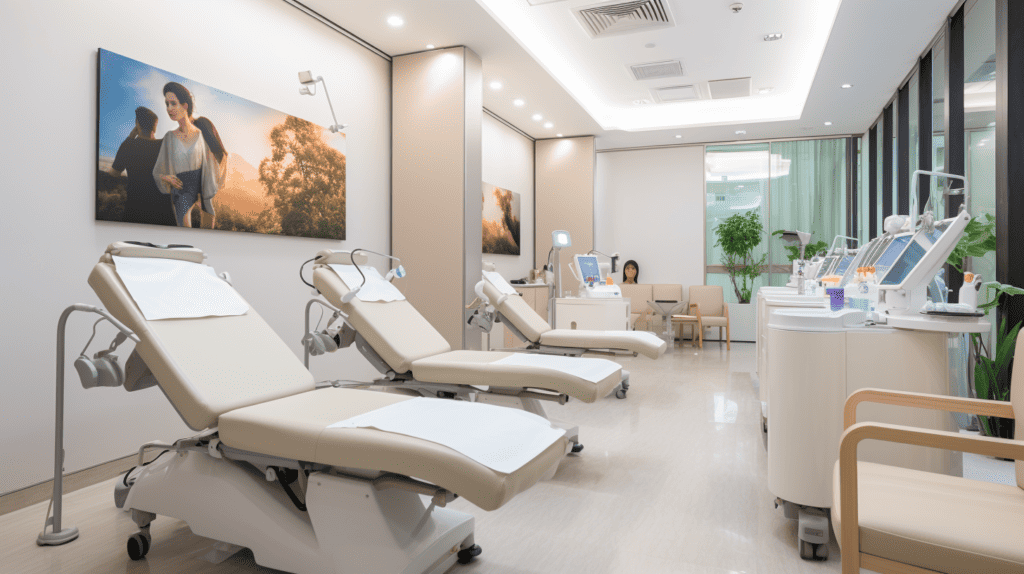
Welcoming patients and helping them calm themselves is essential for their experiences. Thoughtful use of colour palettes, easily condensed furniture pieces, and nature touches such as plants or wall art can make this happen.

Technology Integration

Healthcare facilities utilise technology more than ever. Fit-outs must accommodate current technological requirements and allow for technological upgrades and advancements during their lifespan.

Accessibility

It is essential that all patients feel welcomed in healthcare spaces, especially those with mobility impairments. This process includes wide doorways, ramps, and related signage.

Due to the nature of the work performed in a Dental practice, dental fitouts require special consideration and must be approached differently.

More specifically, dental fit-outs Australia are a specialised niche within the broader healthcare fit-outs domain that requires its best practices and industry experience. Over the past few years, the Australian dental industry has become more complex, with significant technological advancements leading to a demand for fit-outs that meet strict regulatory criteria and can keep pace with change.

Specialised Challenges of Designing Fitouts for Dental Practices

Healthcare Fit-Outs

Fitouts are different for every business, but dental practices face unique challenges. These spaces need to be functional clinically and provide an environment that can help alleviate anxiety for the patient. Here are the considerations specific to a dental fit-out in Australia

Treatment Room Design

Dental treatment rooms must be planned with specific needs in mind since these specialised pieces also provide patient comfort. The practitioner’s criteria include ideal locations for dental chairs, illumination, and how to save tools.

Sterilisation Areas

As infection control is significant in dentistry, fit-outs should have smart sterilisation to comply with Australian standards and regulations.

Patient Flow

An ideal layout encourages the flow of patients from reception to respective treatment areas and avoids congestion to enhance operational efficiency.

Technology Integration

Today’s dental practices depend on innovative technologies, including digital imaging systems, CAD/CAM equipment, and other machines. Future upgrades must accommodate these technologies in fit-outs.

Aesthetic Considerations

Creating a calming and inviting environment is imperative, especially in dental history, where many patients are anxious. Various design elements, colour choices, and distractions, such as ceiling-mounted television sets or calming art, can help you achieve this.

The Australian Context

Australian Factors Affecting Dental Fitouts Australian factors that also need to be accounted for with dental fitouts include:

Regulatory Compliance

Australian dental practices are heavily regulated in terms of infection control, workplace health and safety, and accessibility. Fitouts, therefore, need to ensure compliance with these standards.

Climate Considerations

With Australia’s fair share of climate issues, fit-outs could tackle challenges like heat, natural light, and energy management.

Cultural Sensitivity

However, in a multicultural society, dental fit-outs should design layouts that respect cultural sensitivities and foster welcoming spaces for patients from all walks of life.

The Best Way To Approach Successful Healthcare And Dental Fitouts

For a successful healthcare fit-out or dental fit-out, our designers work alongside healthcare professionals and experts in this sector of fit-out companies. This could consist of a few main stages:

Planning and Consultation

The first part of this step is to identify your healthcare facility or dental practice’s requirements regarding workflow, patient segment, and future growth.

Design and Compliance

On the other hand, the designs begin to appear in a defined format dependent on the vision established in the first consultation, along with functional and practical specifications developed that meet regulatory requirements. This applies to dental fitouts done in Australia, specifically making sure you comply with the Australasian Health Facility Guidelines and other standards.

Material Selection

Also, the selection of materials is essential in the case of health care and dental fit-outs. The materials should be hard-wearing, wipeable, and able to withstand constant use of disinfectants. Dental materials should also resist staining by dental materials and chemicals in the office or laboratory.

Construction and Installation

Fitout in the real is a careful process to avoid interrupting any existing healthcare activity. This requires staged implementation for dental practices to perform patient care during the fitout.

Technology Integration

Fitting out for medical and dental technologies is integral to their installation and integration. It encompasses the technical infrastructure and technology such as dental chairs, X-ray machines, sterilisation units, etc.

Inspection and Finalization: This is the last stage, where final touches (signage, artwork) are added, and a quality check is performed to ensure that all fitout elements meet preparation standards and specifications.

Influence of Great Fitouts

For patients and healthcare providers, the right healthcare fit-outs can make a very positive impact. Some of the benefits include:

Improved Patient Experience

Good design can lower patient anxiety, enhance comfort, and positively affect the perception of care.

Enhanced Efficiency

Improved layout and workflow can result in lesser wait times, better staff productivity and optimal resource utilisation.

Better Infection Control

Fitouts are sometimes known to help minimise the risk of healthcare-associated infections by working with spaces that maintain infection control standards.

Increased Staff Satisfaction

Medical staff who work in quality environments tend to have higher job satisfaction and lower stress.

Future-Proofing

Flexible fit-outs can respond to emerging technologies and evolving models of care, future-proofing investment in healthcare facilities.

Why Technology Matters in Today’s Fitouts

The fit-outs are being redefined as advancements in healthcare and dentistry keep changing how individual practices design their places, with technology increasing to become a significant part of this process. Digital technologies are now taking hold within dental practices in Australia, but great care needs to be taken regarding their integration into the physical environment. This includes:

Digital Imaging Systems

Many modern dental practices may utilise 3D imaging technologies with unique spatial and infrastructure requirements.

Practice Management Software

An intelligent dental fitout includes design enhancements like interaction hubs and workstations for easy access to practice management systems.

Patient Entertainment Systems

Alternatively, many dental practices are adding entertainment amenities to distract patients during treatments, such as mounts that hold TVs on the ceiling or virtual reality headsets.

Conclusion

Whether through specialist dental fit-outs Australia or other healthcare fit-outs, the goal will always be to create environments that enable healing, efficiency, and positive patient experiences. This attention to infection control, workflow optimisation, and patient comfort can be repurposed for a future where aligned care delivery models and advances in medical technology will redefine this physical environment.

With healthcare systems evolving continuously, the need for excellent fit-outs will always remain high. By remaining at the forefront of design and technological infusion, Australian dental practices can give themselves a severe competitive edge without sacrificing patient care.

In conclusion, while the purpose of healthcare and dental fit-outs varies from practice to practice, they should be designed to deliver high-quality care and achieve positive health outcomes through better patient experiences. When planned effectively, fit-outs can play a significant role in fostering health and well-being by offering environments that promote it.