
Category

Health

Category

Clementi is home to a range of clinics offering diverse healthcare services tailored to meet the needs of the local community. Whether you’re seeking routine medical care, specialized consultations, or wellness services, this Clementi Clinic Guide provides detailed insights into the options available. Here’s everything you need to know about making the best healthcare choices in Clementi.

General Medical Clinics for Everyday Health Needs

For routine consultations and minor health concerns, general medical clinics in Clementi offer accessible and reliable services. These clinics are equipped to handle acute conditions such as colds, flu, and minor infections. They also provide chronic disease management for conditions like diabetes, hypertension, and asthma.

Many general practitioners in Clementi focus on personalized care, emphasizing preventive health through vaccinations, health screenings, and lifestyle advice. Notable options include family-run practices that prioritize building long-term relationships with patients, ensuring continuity of care.

Health Screenings and Preventive Care

Preventive care is a cornerstone of health maintenance, and clinics in Clementi are well-equipped to provide comprehensive health screenings. These screenings help detect potential health issues early, from cardiovascular risk assessments to cancer screenings. Many clinics offer affordable packages for annual check-ups, tailored to different age groups and health conditions.

Look for clinics with advanced diagnostic facilities for accurate results and shorter waiting times. Some clinics also provide specialized screenings for women’s health, including mammograms and pap smears, and men’s health, such as prostate-specific antigen (PSA) tests.

Specialized Clinics for Targeted Care

For specific health concerns, specialized clinics in Clementi offer expert care. These include dermatology clinics, pediatric practices, and women’s health centers.

Skin and Aesthetic Treatments

Skin health is a common concern, and Clementi is home to several dermatology clinics addressing conditions like acne, eczema, and pigmentation. Many clinics also offer non-surgical aesthetic treatments, including Pico Laser therapy, Fractional CO2 Laser, and chemical peels. These services cater to individuals seeking to improve their skin texture and tone without invasive procedures.

Pediatric Clinics for Children’s Health

Parents in Clementi can rely on pediatric clinics offering care for infants, children, and adolescents. These clinics provide immunizations, developmental assessments, and treatment for childhood illnesses. Many pediatricians emphasize a child-friendly approach, creating a comfortable environment for young patients.

Women’s Health and Fertility Support

Women’s health clinics in Clementi cater to a range of needs, from gynecological consultations to fertility treatments. These centers provide services such as prenatal care, family planning advice, and hormonal therapy. Some clinics also offer menopause management and screenings for breast and cervical health.

Mental Health Support in Clementi Clinics

Recognizing the importance of mental well-being, Clementi has several clinics providing mental health support. These include services from licensed counselors and psychologists who specialize in addressing anxiety, depression, and stress-related conditions. Some clinics also offer cognitive-behavioral therapy (CBT), mindfulness training, and support groups.

For more serious mental health concerns, there are clinics with psychiatrists who provide medication management and therapy. These professionals ensure holistic care, addressing both the psychological and physiological aspects of mental health.

Physiotherapy and Rehabilitation Services

Injury recovery and chronic pain management are critical healthcare needs, and Clementi clinics deliver expert physiotherapy and rehabilitation services. These services cater to patients recovering from sports injuries, surgeries, or chronic conditions like arthritis.

Physiotherapists in Clementi design personalized exercise programs and use techniques like manual therapy, ultrasound, and electrical stimulation to promote healing. Clinics also provide ergonomic assessments and advice for preventing workplace-related injuries.

Family Planning and Sexual Health Clinics

Family planning services in Clementi clinics include contraceptive advice, STD testing, and preconception consultations. These clinics prioritize confidentiality and offer a judgment-free environment. Some centers also provide HPV vaccinations and fertility counseling for couples planning to start a family.

Traditional and Complementary Medicine Clinics

In addition to modern medical clinics, Clementi features traditional and complementary medicine centers. These clinics provide treatments like acupuncture, herbal medicine, and TCM (Traditional Chinese Medicine) consultations. Patients seeking a holistic approach to health often find these options beneficial for managing stress, pain, and chronic illnesses.

Why Choosing the Right Clementi Clinic Matters

Your choice of clinic significantly impacts your overall healthcare experience. Factors like accessibility, the range of services, and the expertise of healthcare providers should guide your decision. Many clinics in Clementi are conveniently located near MRT stations or bus stops, ensuring ease of access.

Affordability is another critical consideration. Clinics under the Community Health Assist Scheme (CHAS) or those offering Medisave claims provide financial relief for Singaporeans and permanent residents. Always check the clinic’s affiliations and available subsidies to make informed choices.

What to Remember When Visiting Clementi Clinics

  • Appointment Scheduling: Many clinics allow online or phone bookings, reducing waiting times and ensuring smoother visits.
  • Bring Necessary Documents: Always carry your NRIC, CHAS card, or relevant medical history for accurate diagnosis and treatment.
  • Follow Up: Regular follow-ups are essential for chronic conditions or ongoing treatments. Choose a clinic with a seamless follow-up process.

Clementi Clinics Offering Telemedicine Services

For those with busy schedules or mobility challenges, several Clementi clinics now offer telemedicine options. These services include video consultations, online prescriptions, and digital medical certificates. Telemedicine is especially helpful for follow-up consultations, medication refills, and managing minor illnesses without visiting a clinic in person.

Final Thoughts on the Clementi Clinic Guide

The diverse range of healthcare options in Clementi ensures that residents have access to quality medical care, regardless of their needs. This Clementi Clinic Guide highlights the variety of clinics available, from general practitioners to specialized centers, making it easier to navigate the healthcare landscape. Prioritize your health by choosing a clinic that aligns with your specific requirements, and remember to utilize available resources for a seamless healthcare experience.

ADHD is a neurodevelopmental disorder marked by inattention, hyperactivity, and impulsivity. It often begins in childhood and can continue into adulthood, impacting daily life at home, school, and beyond.

As awareness grows, so does the demand for effective interventions. Behavioral therapy has proven to be a valuable tool, using reinforcement and structured strategies to help manage symptoms.

For children with ADHD, behavioral therapy can improve focus, self-control, and social skills, ultimately leading to better outcomes in school and daily interactions.

What Is Behavioral Therapy?

Behavioral therapy is a goal-oriented psychotherapy that focuses on changing specific behaviors through practical techniques. Unlike other therapies that explore underlying emotions, this approach targets observable behavior changes to improve functioning.

Rooted in the idea that behaviors can be learned and unlearned, it uses reinforcement, modeling, and repetition to encourage positive habits. This makes it especially effective for managing ADHD symptoms like inattention and impulsivity.

For children with ADHD, behavioral therapy involves collaboration with parents and teachers to set clear goals and apply strategies such as positive reinforcement and time-outs. The structured approach helps children build skills for better focus, self-control, and social interaction.

The Fundamentals Of Applied Behavior Analysis (ABA)

Applied Behavior Analysis (ABA) is a scientific method for understanding and changing behavior. Rooted in learning theory, ABA focuses on how behavior is influenced by the environment and uses proven techniques to bring about positive change.

ABA involves tracking behaviors, identifying triggers, and using tailored interventions to encourage desirable actions and reduce problematic ones. Its data-driven, individualized approach makes it especially useful for managing ADHD in children.

One of ABA’s greatest strengths is its flexibility. It can be applied in homes, schools, or clinics and adapted to each child’s needs. By setting clear, measurable goals, ABA offers a structured path to improved focus, self-control, and daily functioning.

The Role Of ABA In Managing ADHD Symptoms

ABA is highly effective in managing ADHD symptoms by using structured strategies to improve attention, reduce impulsivity, and manage hyperactivity. According to Level One Urgent Care, these interventions help children function better at school, at home, and in social situations. You can check out the site at https://www.leveloneurgentcare.com/ for more information.

A key focus of ABA is enhancing task completion and focus. Techniques like task analysis and chaining break tasks into small steps, making it easier for children to stay on track and succeed.

ABA also builds self-regulation skills. Methods such as self-monitoring and self-reinforcement help children take control of their behavior, promoting independence and confidence. Overall, ABA empowers kids with ADHD to thrive in daily life.

Key Techniques Used In ABA For Children With ADHD

ABA uses targeted techniques to support children with ADHD, helping them build focus, self-control, and social skills. Key strategies include:

  • Positive Reinforcement: Rewards for desired behaviors to encourage repetition.
  • Task Analysis: Breaking tasks into small steps to improve focus and confidence.
  • Modeling: Demonstrating appropriate behaviors for children to imitate.
  • Time-Out: Temporarily removing a child from reinforcement to reduce unwanted behaviors.
  • Self-Monitoring: Teaching children to track and reflect on their behaviors.

Consistent use of these methods can lead to meaningful, lasting improvements in daily functioning.

Benefits Of ABA In Child Development

ABA benefits child development beyond managing ADHD symptoms. By focusing on positive behavior change, it helps children thrive academically, socially, and in everyday life.

  • Communication Skills: ABA teaches children to express needs and emotions more clearly, improving peer and adult interactions.
  • Problem-Solving: Children learn to tackle challenges through structured, step-by-step approaches.
  • Confidence and Independence: Achieving goals builds self-esteem and a strong sense of capability.

Overall, ABA lays a strong foundation for lifelong success.

How ABA Therapy Is Implemented In Different Settings

ABA therapy is highly adaptable and can be implemented in various settings, including the home, school, and clinical environments, making it an effective approach for managing ADHD symptoms across different aspects of a child’s life. At home, therapists work closely with parents to help them apply ABA strategies consistently, reinforcing positive behaviors and addressing challenges in everyday routines. In schools, ABA techniques are integrated into the classroom to support academic and social development, often through collaboration with teachers and individualized education plans. In clinical settings, children receive focused, one-on-one support with access to specialized resources and ongoing progress monitoring. This versatility ensures that children benefit from consistent and comprehensive support in the environments where they live, learn, and grow.

Parent Involvement In ABA Therapy

Parent involvement is essential to the success of ABA therapy techniques, especially for children with ADHD. When parents actively participate in the therapy process, they help create a consistent, supportive environment that reinforces positive behaviors and encourages skill development. By working closely with ABA therapists to set personalized goals and strategies, parents ensure that interventions align with their child’s unique needs. They also receive training to apply ABA techniques at home, such as positive reinforcement, clear expectations, and behavior management, making therapy more effective and sustainable. This active involvement not only supports lasting behavior change but also strengthens the parent-child bond and enhances communication, leading to better outcomes both in therapy and everyday life.

Finding Qualified ABA Therapists

Finding a qualified ABA therapist is crucial for ensuring effective support for children with ADHD. Key factors to consider include proper certification, such as credentials from the Behavior Analyst Certification Board (BACB), relevant experience, and compatibility with the child. Experienced therapists who have worked with ADHD can better address its unique challenges, while a good personal fit helps build trust and engagement. Parents should also explore recommendations from healthcare providers, schools, or support groups to find trusted professionals in their area. An initial meeting can further help assess whether the therapist aligns well with the child’s needs and family values.

Conclusion: The Future Of ADHD And Behavioral Therapy

As our understanding of ADHD grows, so do the strategies for managing it. Behavioral therapy—especially Applied Behavior Analysis (ABA)—has proven to be a powerful approach for helping children with ADHD develop essential skills and improve daily functioning. By promoting positive behavior and focusing on individual strengths, ABA empowers children to thrive at home, in school, and beyond.

Looking ahead, continued research and innovation are expected to make behavioral interventions even more personalized and effective. With the integration of technology and data-driven methods, ABA can become more tailored to each child’s unique needs. Collaboration among parents, educators, therapists, and healthcare providers will remain key in delivering the best possible outcomes.

If you’re exploring support options or want to connect with a qualified ABA therapist, reaching out to professionals in your community is a great first step. Together, we can help children with ADHD reach their full potential.

Understanding Vision Problems: Types And Symptoms

Vision problems go beyond blurry eyesight—they can be early warnings of underlying health concerns. Common issues like myopia, hyperopia, astigmatism, and presbyopia affect how the eye focuses light, causing symptoms such as blurred vision, halos, or night vision difficulties. More serious symptoms—like sudden vision loss, floaters, or flashes—may indicate urgent conditions like retinal detachment.

Eye strain, dry eyes, and headaches often stem from excessive screen time, while subtle changes in peripheral vision or color perception can signal progressive diseases such as glaucoma or macular degeneration. Recognizing these signs and seeking regular eye exams is key to protecting both vision and overall health.

The Connection Between Vision and Overall Health

Vision changes often reflect more than eye-related issues—they can signal underlying systemic conditions. The retina’s blood vessels are highly sensitive to changes in blood pressure and circulation, making eye exams a key tool in detecting cardiovascular issues like hypertension and diabetes, sometimes before other symptoms emerge.

The optic nerve, which connects the eyes to the brain, serves as a vital link between vision and neurological function. Neurological diseases such as multiple sclerosis, migraines, and brain tumors can all produce visual symptoms due to their impact on the optic nerve or the visual pathways within the brain. According to a neurosurgeon specializing in brain tumors, “Subtle vision changes may be among the first signs of a growing brain tumor, especially when the tumor presses on visual structures in the brain. Early detection through a thorough eye exam can often lead to life-saving diagnosis and treatment.”

In addition to neurological concerns, autoimmune diseases such as lupus or rheumatoid arthritis can also affect eye health. These conditions may cause inflammation in the eyes, manifesting as uveitis or scleritis, which often reflects systemic immune dysregulation. Understanding the profound connection between vision and systemic health empowers individuals to take vision changes seriously. A comprehensive eye exam can do more than detect the need for glasses; it can uncover critical clues about the body’s overall well-being, including potential brain health concerns that warrant further investigation by a neurologist or neurosurgeon.

Common Health Issues Linked To Vision Problems

Vision problems can be symptomatic of a variety of common health issues, each affecting the eyes in distinct ways. Diabetes is one of the most prevalent health conditions linked to vision problems, primarily through diabetic retinopathy, where high blood sugar levels damage the retinal blood vessels. This can lead to vision impairment or blindness if left untreated. Additionally, diabetes can cause fluctuating vision due to changes in blood sugar levels, necessitating regular monitoring and management.

Hypertension, or high blood pressure, is another condition that can have severe implications for eye health. Chronic high blood pressure can cause hypertensive retinopathy, characterized by damage to the retinal blood vessels. This can result in symptoms such as reduced vision and even increase the risk of stroke, underscoring the need for managing blood pressure levels to protect both vision and cardiovascular health.

Thyroid disorders, particularly Graves’ disease, can lead to eye problems such as bulging eyes, double vision, and vision loss due to inflammation and swelling. These symptoms can be distressing and impact daily life significantly. By understanding these common health issues linked to vision problems, individuals can take proactive steps to manage their health and prevent vision deterioration.

How Diabetes Affects Vision

Diabetes poses a significant threat to eye health, with diabetic retinopathy being the most common complication. This condition occurs when prolonged high blood sugar levels damage the blood vessels in the retina, causing them to leak fluid or hemorrhage. In its early stages, diabetic retinopathy may not present noticeable symptoms, making regular eye examinations crucial for individuals with diabetes. As the condition progresses, symptoms like blurred vision, floaters, and difficulty seeing in dim light may develop, potentially leading to blindness if left untreated.

Moreover, diabetes can lead to other eye conditions such as cataracts and glaucoma. Individuals with diabetes are more likely to develop cataracts at an earlier age, which causes the eye’s lens to become cloudy, leading to vision impairment. Glaucoma, on the other hand, results from increased pressure in the eye, potentially damaging the optic nerve. This condition is also more prevalent among people with diabetes, emphasizing the importance of comprehensive eye care and diabetes management.

Maintaining good blood sugar control is essential for preventing or delaying the onset of diabetic eye diseases. Regular monitoring and management of blood sugar levels, along with annual dilated eye exams, are vital strategies for individuals with diabetes. By understanding the ways diabetes affects vision, individuals can take preventive measures to protect their eye health and maintain a high quality of life.

The Impact of Hypertension on Eye Health

Hypertension, or high blood pressure, can silently damage the eyes, leading to conditions like hypertensive retinopathy, which harms retinal blood vessels and may cause vision loss, floaters, or optic nerve damage. It also raises the risk of retinal vein occlusion—an emergency that can cause sudden blindness—and worsens other eye diseases such as diabetic retinopathy.

Regular eye exams can catch early signs of damage, while managing blood pressure through healthy lifestyle habits, like a balanced diet, exercise, and stress control, helps protect long-term vision.

Recognizing Early Signs Of Serious Conditions Through Vision Changes

Vision changes can often be the first indication of serious underlying health conditions. Recognizing these early signs can be crucial for timely diagnosis and treatment. For instance, sudden vision loss, especially in one eye, can be a sign of a stroke or a transient ischemic attack (TIA). Such symptoms require immediate medical attention to prevent further complications and ensure proper management.

Persistent double vision or difficulty focusing can signal neurological disorders such as multiple sclerosis or brain tumors. These symptoms may be accompanied by other neurological signs like numbness, weakness, or balance issues. Early detection of these conditions through vision changes can significantly improve treatment outcomes and quality of life.

Furthermore, changes in color perception or visual field defects can indicate retinal diseases or optic neuropathy. These conditions may progress slowly, making regular eye exams essential for early detection and intervention. By being vigilant about vision changes and seeking prompt medical attention, individuals can catch serious conditions early and improve their chances of successful treatment.

The Role of Regular Eye Exams in Preventive Health

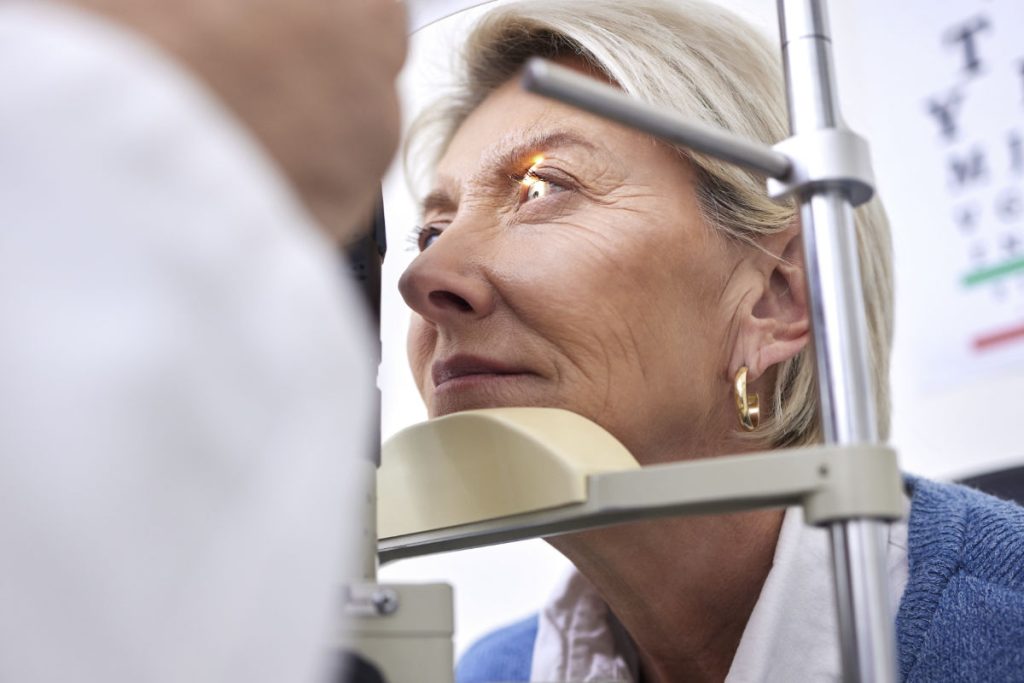
Regular eye exams are essential for early detection of both vision issues and broader health problems. Beyond checking for corrective lens needs, comprehensive exams allow eye care professionals to spot signs of systemic conditions like diabetes, hypertension, and glaucoma by examining the retina, optic nerve, and blood vessels.

They can also reveal early indicators of neurological or autoimmune disorders, enabling timely medical intervention. For those with a family history of eye or systemic diseases, routine exams are especially important. Along with ensuring accurate prescriptions, regular eye exams support both visual comfort and overall health.

Lifestyle Changes To Support Eye Health

Supporting eye health through lifestyle changes can significantly reduce the risk of vision problems and improve overall health. A balanced diet rich in nutrients such as omega-3 fatty acids, vitamins A, C, and E, and zinc can promote eye health and prevent age-related vision problems. Foods like leafy greens, fish, nuts, and citrus fruits are excellent choices for maintaining healthy eyes.

Regular exercise not only benefits cardiovascular health but also helps maintain healthy blood pressure and blood sugar levels, reducing the risk of vision problems associated with conditions like hypertension and diabetes. Exercise can also improve circulation, ensuring that the eyes receive adequate oxygen and nutrients to function optimally.

Limiting screen time and taking regular breaks from digital devices can prevent eye strain and discomfort. The 20-20-20 rule, which involves taking a 20-second break every 20 minutes to look at something 20 feet away, can help alleviate eye strain and maintain comfort. By incorporating these lifestyle changes, individuals can support their eye health and prevent vision problems.

Seeking Professional Help: When To See An Eye Specialist

Knowing when to seek professional help from an eye specialist is crucial for maintaining eye health and identifying potential health issues. Individuals should schedule an eye exam if they experience sudden vision changes, such as blurred vision, double vision, or loss of vision, as these can indicate serious conditions that require immediate attention. Similarly, symptoms like eye pain, redness, or discharge should be evaluated by an eye care professional to rule out infections or other eye conditions.

For individuals with chronic conditions such as diabetes or hypertension, regular visits to an eye specialist are essential for monitoring eye health and preventing complications. Additionally, those with a family history of eye diseases like glaucoma or macular degeneration should have regular eye exams to detect any early signs of these conditions.

By seeking professional help when needed, individuals can ensure that they receive appropriate care and management for their eye health. This proactive approach can prevent vision loss and improve overall well-being, highlighting the importance of regular eye care in maintaining holistic health.

Conclusion: The Importance Of Holistic Health Awareness

In conclusion, vision problems are not merely isolated issues but can be indicative of broader health concerns. By understanding the connection between vision and overall health, individuals can recognize the signs of potential systemic conditions and take proactive steps to address them. Regular eye exams, lifestyle changes, and seeking professional help when necessary are essential components of maintaining eye health and preventing vision problems.

By adopting a holistic approach to health, individuals can protect their vision and overall well-being, ensuring a better quality of life. Recognizing the importance of eye health as a window into systemic health can empower individuals to make informed decisions about their health and take control of their well-being. As we’ve explored, seeing the bigger picture is not just about vision, but about understanding the intricate relationship between our eyes and our health.