
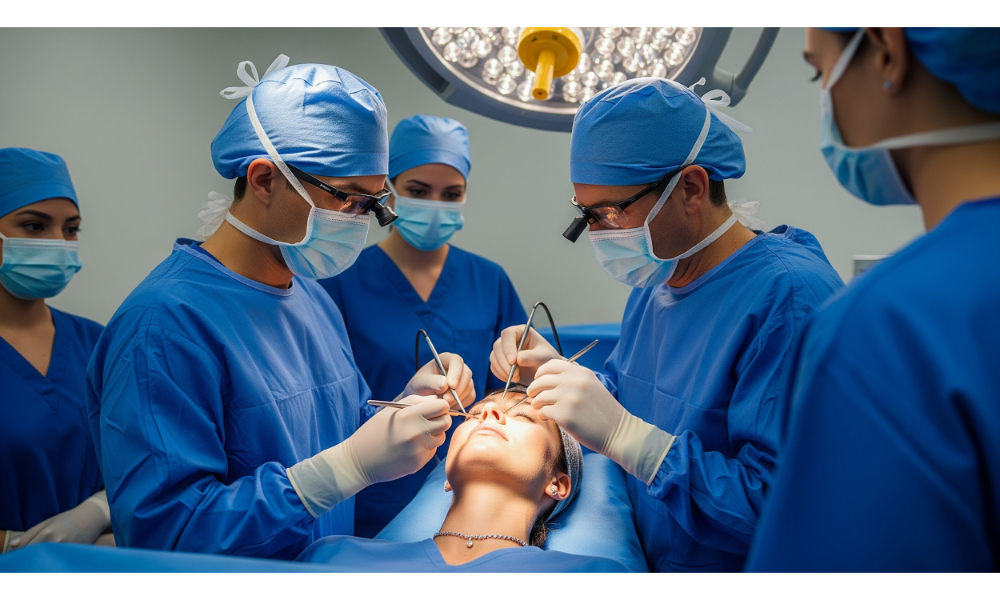
Confidence as a Part of Healing and Recovery
In the journey of healing and recovery, confidence plays a pivotal role. Whether you’re recovering from an accident, surgery, or dealing with congenital deformities, restoring your self-esteem is as crucial as restoring your physical health. Advanced facial procedures are not merely aesthetic; they carry the profound ability to blend physical restoration with psychological healing. These procedures can transform lives by offering patients a fresh start, a renewed sense of self, and the confidence to face the world anew.
In today’s world, the line between cosmetic enhancements and medical necessities is blurring. Facial procedures are now seen as an integral part of holistic healing and wellness. They are not only about altering appearances but about enhancing one’s overall quality of life. This perspective shift highlights the importance of addressing both functional and aesthetic concerns to foster comprehensive recovery.
This article aims to guide you through the intricacies of advanced facial procedures, emphasizing the multi-disciplinary approach adopted by healthcare professionals. From the expertise of board-certified facial plastic surgeons to the critical roles played by experienced brain surgeons and trusted neck doctors, you’ll discover how these specialists work together to restore not just your face, but your confidence and quality of life.
Understanding Cosmetic vs. Reconstructive Procedures
Facial procedures can be broadly categorized into cosmetic and reconstructive surgeries. Understanding the distinction between these two is essential for making informed decisions about your care. Cosmetic procedures primarily focus on enhancing appearance. They include treatments like facelifts, rhinoplasty, and Botox, which aim to improve aesthetics by altering or rejuvenating facial features.
On the other hand, reconstructive procedures are medically necessary surgeries aimed at correcting functional impairments. These may include surgeries to repair birth defects like cleft palate, reconstruct facial features after trauma, or address the aftermath of diseases such as cancer. The goal is to restore normal appearance and function, thereby significantly improving the patient’s quality of life.
However, the lines are not always clear-cut. Many procedures serve both cosmetic and reconstructive purposes. For instance, rhinoplasty can enhance aesthetic appeal while also correcting breathing issues. As a patient, it’s crucial to work with healthcare professionals who understand the intricacies of these procedures, ensuring you receive care tailored to your unique needs and goals.
The Expertise of Facial Plastic Surgeons in Functional and Aesthetic Care
Board-certified facial plastic surgeons are at the forefront of both cosmetic and reconstructive facial procedures. Their expertise lies in understanding the delicate balance between aesthetics and functionality, ensuring that while enhancing beauty, they do not compromise the natural function of facial features. Their extensive training allows them to offer solutions that are both innovative and tailored to individual patient needs.
Facial plastic surgeons are skilled in a variety of procedures. From facelifts that combat the signs of aging to reconstructive surgeries that repair trauma-related injuries, their expertise covers a wide range of services. These specialists not only enhance outward appearance but also contribute significantly to emotional and psychological well-being by restoring confidence and self-esteem in their patients.
Choosing a board-certified facial plastic surgeon ensures that you are in capable hands. Certification indicates a high level of training and adherence to stringent medical standards. When selecting a surgeon, consider their experience, patient testimonials, and professional affiliations. This diligence will help you find a trusted partner in your journey toward healing and recovery.
The Role of Neurosurgeons in Correcting Trauma-Related Issues
Experienced brain surgeons, or neurosurgeons, play a critical role in addressing trauma-related injuries, particularly those affecting the head, face, and nervous system. While their primary focus is on neurological function, their expertise often extends to correcting structural issues that impact both function and aesthetics. According to specialists at Haynes Neurosurgical Group, “Trauma to the head or face can have complex neurological and structural consequences. Early intervention by a skilled neurosurgeon can be essential for preserving both brain function and overall quality of life.”
In cases of facial trauma, such as cranial fractures, nerve damage, or severe lacerations, neurosurgeons employ precise surgical techniques to repair and restore function. They often collaborate closely with other specialists, including facial plastic surgeons, to ensure comprehensive care that addresses both neurological and aesthetic outcomes. This multidisciplinary approach helps patients recover functionality while minimizing long-term cosmetic concerns.
For individuals who have experienced trauma that impacts both neurological health and physical appearance, the involvement of an experienced brain surgeon is indispensable. The team at Haynes Neurosurgical Group emphasizes that proper evaluation and timely surgical intervention can make a significant difference in recovery, reducing complications and supporting the best possible outcomes for patients with life-altering injuries.
How Spine and Neck Doctors Support Comprehensive Recovery
Neck doctors and spine specialists are integral to the comprehensive recovery process for patients undergoing facial procedures. While their primary focus might seem distant from facial aesthetics, their role is crucial in ensuring overall physical stability and health. The neck and spine are integral to facial function, directly influencing posture, movement, and structural support.
For patients dealing with trauma or congenital issues affecting the neck and spine, these specialists provide targeted interventions that support facial recovery. They help address underlying issues that may impact facial symmetry or function, working alongside facial plastic surgeons to ensure a holistic approach to treatment. Their expertise is invaluable in cases where postural or structural corrections are needed to complement facial surgeries.
The collaboration between neck doctors and other specialists ensures a seamless recovery process. By addressing the spine and neck as part of a comprehensive treatment plan, patients receive care that supports both immediate recovery and long-term health. This multi-disciplinary approach fosters a more effective healing journey, aligning physical recovery with aesthetic goals.
Benefits of a Multi-Specialty Approach for Lasting Results
A multi-specialty approach to facial procedures ensures that patients receive comprehensive care tailored to their unique needs. This collaborative model brings together the expertise of facial plastic surgeons, neurosurgeons, and neck doctors, creating a synergy that enhances both functional and aesthetic outcomes. This holistic approach is particularly beneficial in complex cases where multiple areas of expertise are required.
The primary benefit of a multi-specialty approach is the comprehensive assessment and treatment plan it provides. Patients benefit from the combined knowledge and skills of various specialists, ensuring that all aspects of their condition are addressed. Whether it’s correcting facial symmetry, restoring nerve function, or ensuring spinal alignment, this approach leaves no stone unturned in pursuit of optimal results.
Furthermore, this collaboration often leads to more sustainable results. By addressing both the symptoms and underlying causes of facial issues, patients are less likely to experience complications or require additional treatments in the future. This not only enhances patient satisfaction but also contributes to long-term health and well-being.
Patient Stories: Restoring Function, Health, and Self-Esteem
Patient stories are a testament to the transformative power of advanced facial procedures. These narratives highlight the profound impact that comprehensive care can have on individuals facing both cosmetic and functional challenges. By sharing these stories, we can better understand the journey from despair to restored confidence and health.
Consider the story of Jane, who suffered a severe facial injury in a car accident. Through the collaborative efforts of a board-certified facial plastic surgeon, an experienced brain surgeon, and a trusted neck doctor, Jane underwent a series of procedures that restored her facial symmetry and function. Today, she speaks of not just her physical recovery but also the renewed self-esteem that has allowed her to resume her life with confidence.
Similarly, the journey of Robert, who was born with a congenital defect, showcases the life-changing potential of these procedures. With the help of a multi-disciplinary team, Robert received surgical interventions that corrected his condition, significantly improving his quality of life. His story underscores the importance of not just physical transformation but the emotional and psychological healing that accompanies effective treatment.
Conclusion: Advanced Care That Blends Health and Confidence
The path to restoring confidence through advanced facial procedures is a journey that blends art and science. By leveraging the expertise of specialists in facial plastic surgery, neurosurgery, and spinal care, patients receive tailored solutions that address both aesthetic and functional needs. This comprehensive approach ensures that your journey to recovery is smooth, effective, and geared toward long-term well-being.
For patients facing functional or cosmetic challenges, advanced facial procedures offer a path forward. From reconstructive surgeries to cosmetic refinements, specialists such as facial plastic surgeons, brain surgeons, and spine doctors collaborate to restore both health and self-confidence. By choosing a multi-disciplinary team, you can rest assured that every aspect of your condition will be addressed, leading to a more holistic and lasting recovery.
If you’re considering facial procedures, take the time to research and consult with a team of experienced professionals. Their collective expertise will guide you through the process, ensuring that your journey is not just about changing appearances but about enhancing your overall quality of life. These advanced care offers an opportunity to embrace a future defined by health, happiness, and renewed confidence.