Author

Kylee J. Sturdivant

Browsing

The COVID-19 pandemic has reshaped the world as we know it, causing unprecedented health, social, and economic challenges. Over the past few years, we have witnessed the global impact of this novel coronavirus, SARS-CoV-2, on individuals, communities, and nations. As we reflect on the journey so far, it is crucial to analyze the lessons learned, the progress made, and the path forward. In this blog post, we will undertake a retrospective analysis of COVID-19 and explore the future directions in our fight against this ongoing global crisis.

Lessons Learned:

  1. Preparedness and Response: The pandemic has highlighted the importance of robust public health systems, early detection, and rapid response to emerging infectious diseases. Future readiness involves investments in surveillance, research, healthcare infrastructure, and international collaborations to effectively combat similar threats.
  2. Importance of Science and Research: The scientific community’s remarkable response in understanding the virus, developing diagnostics, and vaccines has been commendable. The pandemic has emphasized the need for continued investment in research, innovation, and the global sharing of scientific knowledge for effective response and preparedness.
  3. Role of Technology: Technological advancements played a pivotal role in managing the pandemic. Telemedicine, remote work, and digital tools for contact tracing and monitoring helped mitigate the spread of the virus. Future strategies must leverage technology to enhance healthcare systems, improve surveillance, and facilitate rapid response during crises.
  4. Importance of Communication and Trust: Clear, consistent, and transparent communication from authorities and health experts has been crucial in maintaining public trust and ensuring compliance with preventive measures. Effective communication strategies, including addressing misinformation and promoting health literacy, are essential for future crisis management.

Progress and Achievements:

  1. Vaccine Development: The remarkable speed at which COVID-19 vaccines were developed, tested, and authorized for emergency use is a testament to scientific advancements and global collaboration. Vaccination campaigns have played a pivotal role in reducing severe illness, hospitalizations, and deaths. Ongoing efforts to ensure equitable access and address vaccine hesitancy are critical for achieving global control of the pandemic.
  2. Improved Treatments: Over time, treatment strategies for COVID-19 have evolved, with the development of therapeutic drugs and improved clinical management protocols. Medical advancements, such as the use of antiviral drugs, monoclonal antibodies, and immune modulators, have contributed to better outcomes for severe cases.
  3. Health System Adaptation: Healthcare systems globally have undergone significant adaptations to respond to the pandemic. This includes the establishment of dedicated COVID-19 treatment centers, expansion of critical care capacities, and the implementation of infection prevention and control measures. Strengthening healthcare infrastructure and resilience is essential for managing future outbreaks.

Future Directions:

  1. Global Collaboration: The interconnected nature of our world necessitates enhanced international collaboration in disease surveillance, sharing of data and resources, and joint response mechanisms. Strengthening global health governance and fostering partnerships among countries, organizations, and researchers is crucial for a coordinated and effective response to future health crises.
  2. Pandemic Preparedness: The COVID-19 pandemic serves as a wake-up call for investing in robust pandemic preparedness. This involves strengthening public health systems, early warning systems, and research capabilities. Stockpiling essential medical supplies, developing flexible healthcare infrastructure, and establishing rapid response mechanisms are imperative for future resilience.
  3. Addressing Health Inequalities: The pandemic has exposed existing health disparities and inequalities, with marginalized communities disproportionately affected. Future strategies must prioritize equitable access to healthcare, ensure vulnerable populations are not left behind, and address social determinants of health to achieve health equity.
  4. One Health Approach: Recognizing the interconnectedness of human, animal, and environmental health is crucial in preventing and managing future pandemics. A comprehensive One Health approach involves integrating human, animal, and environmental surveillance, promoting sustainable practices, and addressing factors that contribute to zoonotic disease transmission.

Conclusion:

The COVID-19 pandemic has been a challenging and transformative period in human history. Through collective efforts, scientific advancements, and global solidarity, we have made significant progress in understanding the virus, developing vaccines, and improving treatment strategies. As we move forward, it is essential to build on these achievements, strengthen health systems, invest in research and preparedness, and address health inequalities. By learning from the lessons of the past, we can shape a future that is better equipped to respond to emerging infectious threats and safeguard the well-being of individuals and communities worldwide.

The diagnosis itself can be overwhelming and confusing, leaving patients feeling scared and unsure of what to do next. However, understanding your cancer diagnosis is critical to ensuring the best possible outcome. This handbook aims to provide patients with an overview of the cancer diagnosis process, the different types of cancer, and the treatment options available.

Understanding Cancer Diagnosis

Cancer is a disease that is characterized by the uncontrolled growth of abnormal cells. It can develop in any body part and can be life-threatening if left untreated. Early detection and diagnosis are critical to ensuring the best possible outcome. Types of cancer include lung cancer, breast cancer, prostate cancer, and colon cancer, among others. Each type of cancer has its own characteristics and requires specific treatment.

Cancer Diagnosis Process

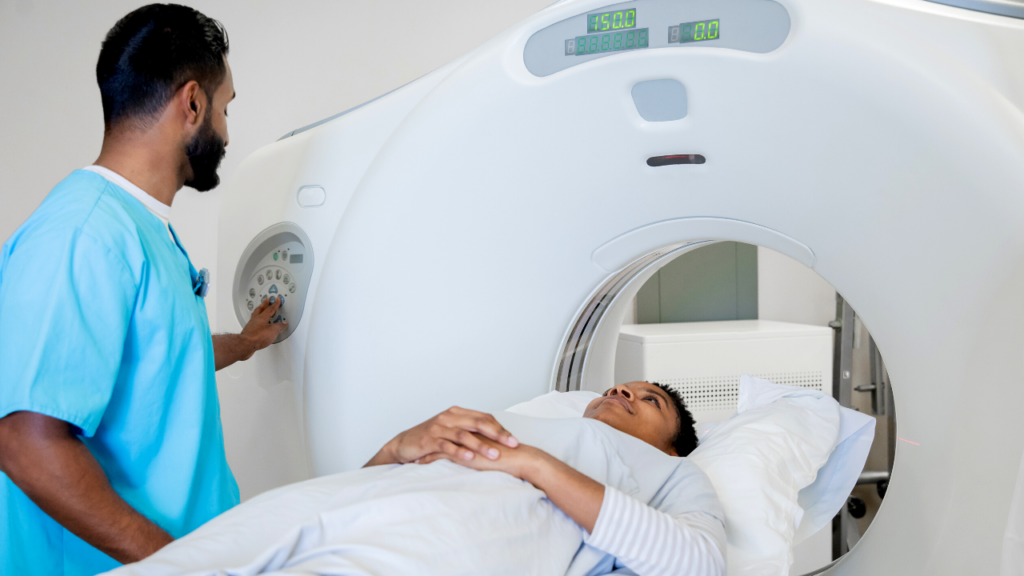
The cancer diagnosis process involves several steps, including medical history, physical examination, and diagnostic tests and procedures. These tests may include blood tests, imaging tests like CT scans and MRIs, and biopsies. Seeking a second opinion from another healthcare professional is essential to confirm the diagnosis and ensure that the best treatment options are explored.

Treatment Options

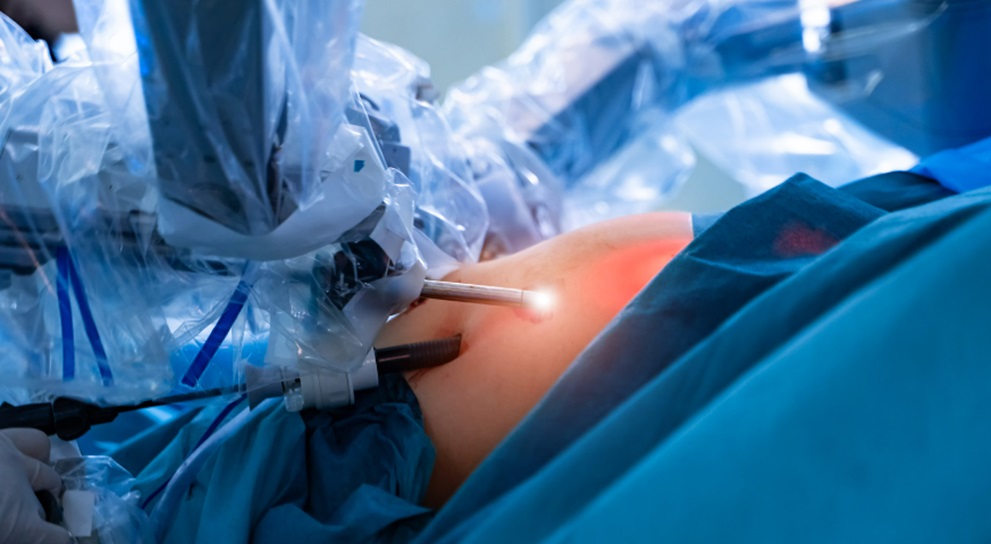
The type and stage of cancer are significant factors in determining the appropriate treatment options. The treatment plan will be tailored to the individual patient’s needs, and may include a combination of surgery, chemotherapy, radiation therapy, or other treatment modalities. It is crucial to have a thorough understanding of the potential benefits and risks of each treatment option, and to discuss them with your healthcare team to make an informed decision.

Lung Cancer Treatment in Noida

If you are in Noida and have been diagnosed with lung cancer, it is essential to seek the help of the best oncologist in Noida. They will guide you through the diagnosis and treatment process and help you understand the benefits and risks of each treatment option. In addition, they will work with you in developing a personalized treatment plan that considers your overall health, the stage of cancer, and other individual factors.

Coping with a Cancer Diagnosis

A cancer diagnosis can have a major emotional impact on patients and their loved ones. Coping with the diagnosis and treatment process can be challenging, but coping strategies and resources are available to help.

The most important thing to remember when coping with a cancer diagnosis is to seek support from loved ones and healthcare professionals. Support can come in many forms, such as emotional, practical, or informational. Emotional support may include talking to friends and family, joining support groups, or seeking counseling. Practical support may include help with household chores, transportation, or other daily tasks. Informational support may include learning more about the disease and treatment options, seeking a second opinion, or researching clinical trials.

Another essential aspect of coping with a cancer diagnosis is self-care. Patients should focus on caring for their physical and emotional needs during treatment. This means exercising regularly, eating a healthy diet, and getting enough rest. Exercise has been shown to improve physical functioning, reduce fatigue, and improve mood in cancer patients. Additionally, patients may find it helpful to practice relaxation techniques such as deep breathing, meditation, or yoga to reduce stress and anxiety.

Communicating openly with your healthcare team and asking questions about your diagnosis and treatment is also critical. You have the right to be fully informed about your healthcare decisions, and your healthcare team should be available to answer any questions you may have. By working with your healthcare team, you can develop a personalized treatment plan that considers your unique needs and preferences.

In addition to seeking help and support, staying positive and maintaining hope during treatment is crucial. This can be challenging, but many cancer survivors find that having a positive outlook helps them cope with the emotional challenges of cancer. Patients may find it helpful to set small goals for themselves, such as walking or spending time with friends and family. Celebrating these small victories can help build confidence and maintain a positive outlook.

Finally, patients should remember that asking for help and taking time for themselves during treatment is okay. Cancer treatment can be emotionally and physically exhausting, and patients should not hesitate to take breaks or seek additional support.

Conclusion

In conclusion, understanding your cancer diagnosis is crucial to ensuring the best possible outcome. The cancer diagnosis process can be overwhelming, but seeking help and support can make a significant difference. If you are in Noida and have been diagnosed with lung cancer, seeking the help of the best oncologist in Noida for lung cancer treatment in Noida is critical to developing a personalized treatment plan and achieving the best possible outcome.

Sadness is an appropriate and natural emotion. One thing as easy as a song playing on the radio might cause sudden grief for certain people. However, for some people, sad feelings linger and are difficult to pinpoint the cause of. They are powerless to stop it or change it. It brings about persistent emotions and thoughts. Numerous people lack energy, get disinterested in routine daily chores, and struggle to focus. These symptoms of depression are all present. In this current world, depression treatment is required for youngsters too. The following are a few common causes of depression:

Illness

You are more likely to experience depression if you have long-term or life-threatening ailments like cancer or coronary heart disease. Many individuals are unaware that head trauma can result in depression, and that a serious brain injury can create emotional issues and mood changes. Problems with the immunological system can lead to hypothyroidism. The thyroid is stimulated by this pea-sized gland, which is located at the base of the brain. Serious exhaustion and a lack of desire for sex are just a couple of the symptoms that can result from pituitary gland damage. These symptoms can lead to depression later on.

Genetic inheritance 

It might be shocking to believe but it is true. There are no known genes that cause depression specifically, but research has shown that having a close relative who has the disorder increases your chance of developing it yourself. While your DNA may be to blame, this connection may also be a result of the fact that as you grow up, you typically pick up behaviour and coping mechanisms from others around you. Depression treatment is a mandatory requirement for people who suffer because of this cause.

Failure sentiment

For some, their happiness may depend on attaining certain objectives, such as landing a specific job or locating a life mate. They may feel that they have failed in some way if, for whatever reason, they are unable to accomplish those goals, and this sense of failure is what can occasionally trigger or exacerbate depression. The people in this day and age are perfectly in line with this cause, particularly young people. Remember that failure is the stepping stone to victory and don’t get depression due to failures.

Drugs and alcohol

Some people turn to binge drinking or drug use as a coping mechanism when they are struggling with life. This may set off a downward spiral of depression. Although cannabis can make you feel relaxed, there is evidence that it can also make you depressed, especially in teenagers. Alcohol alters the chemical makeup of the brain, raising the likelihood of depression. Depression can even be brought on by loneliness. Therefore, you should never combine your drinking habit with your loneliness as this could be harmful to you.

Parting words: 

There are abundant theories on the sources of depression. It can vary greatly from person to person, and for some people, a confluence of various variables may be the root of their sadness. Some people may go for headache treatment but when they search for the root cause, depression will be there.