Author

Kylee J. Sturdivant

Browsing

Plasma is a vital fluid due to its crucial role in sustaining life and bolstering the immune system. It transports electrolytes such as sodium and potassium to the muscles and preserves a favorable pH balance within the body, thereby enhancing cellular function. There are many donation centers for plasma orem utah, which promote humanitarian work. However, thousands of individuals are still unaware of the plasma donation. This article will offer detailed guidance about plasma donation, the collection process, and more.

What is Plasma Used for?

Blood plasma, the translucent, straw-colored liquid component of blood, remains once red blood cells, white blood cells, platelets, and other cellular constituents have been removed. It plays a crucial part in upholding blood pressure and volume, providing essential proteins for blood coagulation and immunity. Additionally, plasma serves as a carrier for water, salts, and enzymes while simultaneously fulfilling various vital roles within the body, encompassing blood clotting, disease defense, and other critical functions.

The primary function lies in the transportation of nutrients, hormones, and proteins to the body’s target areas, and it also serves as a repository for cellular waste products, facilitating their elimination from the body. Blood plasma plays a pivotal role in circulating all blood components throughout the circulatory system.

Medical practitioners frequently administer plasma to patients suffering from trauma, burns, shock, severe liver conditions, or multiple clotting factor deficiencies. This infusion aids in elevating the patient’s blood volume, thus mitigating the risk of shock, and it aids in the blood clotting process. Additionally, pharmaceutical companies collect plasma from plasma orem utah donation center and utilize plasma as a foundational element for developing treatments targeting immune deficiencies and bleeding disorders.

Who is Eligible for Plasma Donations?

Medical professionals encourage individuals possessing type AB blood to contemplate making a plasma donation. Type AB is the singular universal plasma type suitable for administration to patients of all blood types. However, anybody can donate blood plasma for good causes. In emergency medical scenarios, such as the treatment of severely injured or burned patients, the time conserved can potentially be the decisive factor between life and death.

How is Plasma Collected for Donation?

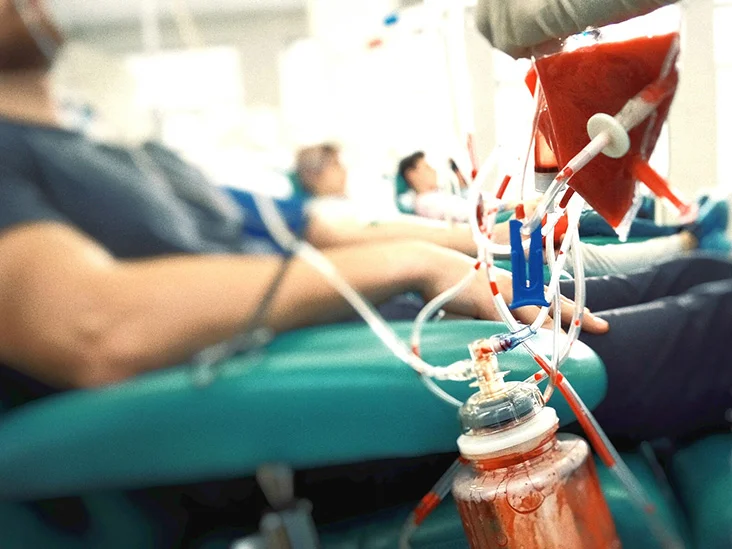
The process of gathering plasma is formally termed plasmapheresis. Each donation visits entails a health assessment. Subsequently, donors will undergo a private physical examination at least once annually to ensure their continued good health. Following approval, the staff at the plasma center will set up donors at a plasmapheresis machine, a specialized medical apparatus that extracts whole blood from a vein in the arm. It effectively segregates the plasma and reintroduces the remaining blood components into the donor’s body, including red and white blood cells, as well as platelets.

Conclusion

For the initial plasma orem utah donation, a trained medical professional will conduct a concise physical examination. The plasma donors are connected to a device that extracts blood, isolates the plasma, and reintroduces the blood into the body. However, there is no need to panic because, during this procedure, donors have the opportunity to watch television, engage in reading, and relax. Upon arrival at a plasma center, individuals will be required to present a valid photo ID, proof of address, and documentation verifying their social security.

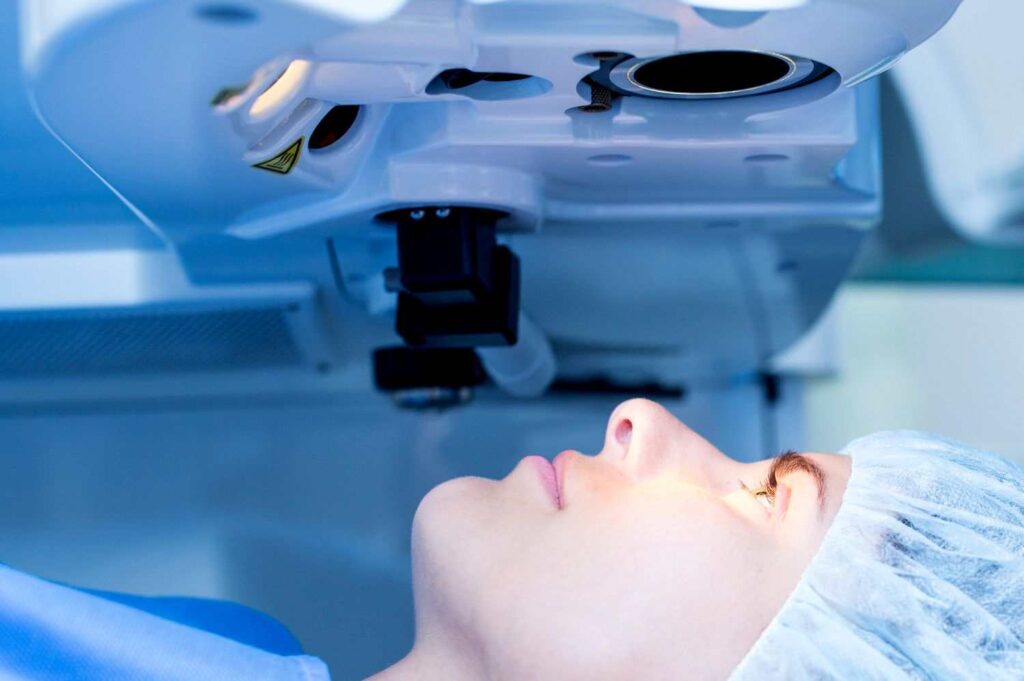
A type of laser eye surgery called LASIK, also known as “laser-assisted in situ keratomileuses,” is used to treat a variety of vision issues. Nearsightedness, farsightedness, astigmatism, or presbyopia are common moderate degrees of refractive error among candidates for LASIK surgery. Similar to other laser eye surgery procedures, the LASIK Miami procedure reshapes the cornea of the eye, enabling light to enter the eye and focus on the retina without the need for glasses or contact lenses.

An ophthalmologist from Kraff Eye Institute will conduct LASIK in a brief procedure in a specialized clinic or eye center. Although there are obvious hazards with any operation, LASIK is widely used and has a high percentage of success. The cornea, a translucent dome-shaped tissue located in the front of the eye, can be precisely reshaped during LASIK surgery to enhance vision.

Why is it carried out?

LASIK is an option for the majority of people who wear glasses or contacts to see. With variable degrees of correction for each, LASIK can treat astigmatism, nearsightedness, and farsightedness.

  • Nearsightedness: If your eyeball gets a little bit longer than normal or when the cornea curves very sharply, light rays concentrate before the retina and reduce your ability to see distant objects. Nearby objects can be seen reasonably well, but far away objects cannot.
  • Farsightedness: Farsightedness results from an abnormally short eyeball or an excessively flat cornea, which causes light to focus behind the retina rather than on it. Close-up and occasionally distant vision becomes foggy as a result.
  • Astigmatism: Astigmatism affects both near and far vision by causing the cornea to bend or flatten unevenly.

Different types of LASIK surgery

  • IntraLASIK

With IntraLASIK, the corneal flap is created using a femtosecond laser rather than a microkeratome. One quadrillionth of a second is the pulse width of the femtosecond laser beam. This treatment offers patients a safer computer-controlled alternative for creating the corneal flap because it gives the surgeon greater precision and accuracy.

Many individuals who were previously deemed unfit due to their thin corneas can now undergo intraLASIK surgery. Doctors can perform IntraLASIK on patients with thinner or flatter corneas because the femtosecond laser can generate thinner, more precise cuts in the corneal flap.

  • Custom LASIK

A laser vision correction procedure called custom lasik surgery makes adjustments to your care based on your unique visual characteristics. Custom LASIK gives more accurate information about your optical needs because to wavefront technology. The path taken by light through your eye is compared to the path taken by light through an eye with perfect vision using a wavefront analyzer.

Lower-order aberrations, also referred to as refractive errors, include farsightedness, nearsightedness, and astigmatism. Traditional LASIK procedures are used to address lower-order aberrations. Higher-order aberrations, which deviate from refractive errors, cause visual problems include glare, poor night vision, halos, and low contrast sensitivity. By using personalized LASIK, these higher-order aberrations can be fixed.

Chicago as a city is referred to as a modern locality. Anshoo Sethi in Chicago emerges as a philanthropic force devoted to making influential and massive impacts on everyone’s lives. The charitable endeavors span various initiatives, ranging from education and healthcare to environmental conservation. This article delves into the remarkable journey of visionaries and philanthropists like Sethi and many more, highlighting the transformative projects that are leaving an indelible mark on the Chicago community.

  • Empowering Education: The Scholarships Initiative

The commitment shown by Anshoo Sethi and many other famous personalities to education is exemplified through the initiatives of providing Scholarships, a program designed to provide financial support to underprivileged students in Chicago. By granting scholarships, this empowers young minds to pursue their dreams and unlock their full potential. This initiative not only fosters academic excellence but also cultivates a culture of empowerment and opportunity within the community.

  • Healing Hands: The Health Clinics Network

Recognizing the critical need for accessible healthcare, Anshoo Sethi, along with others, established a network of health clinics across Chicago. These clinics offer quality medical services to individuals who may otherwise face barriers to healthcare. Through multiple Health Clinics, people have been able to catalyze positive health outcomes and ensure that everyone in the community has access to essential medical care.

  • Greening the Urban Jungle: Environmental Conservation Efforts

These prominent personalities are staunch advocates for environmental conservation, leading initiatives to enhance green spaces and promote sustainability in Chicago. From tree planting drives to community clean-up projects, and are actively engaged in initiatives that contribute to a cleaner, greener urban environment. The environmental efforts of Anshoo Sethi in Chicago inspire a sense of stewardship and responsibility towards the natural world.

  • Nurturing Entrepreneurship: The Business Incubator Program

In a bid to foster economic growth and innovation, Sethi and others have established the Business Incubator Programs. This initiative provides aspiring entrepreneurs with the resources, mentorship, and infrastructure needed to turn their business ideas into reality. By nurturing a culture of entrepreneurship, Sethi and others are driving economic empowerment and creating avenues for sustainable livelihoods within the community.

  • Feeding Hope: Community Food Distribution Network

Anshoo Sethi in Chicago understands the fundamental importance of food security for a thriving community. The community food distribution network ensures that vulnerable populations have access to nutritious meals. Through this initiative, they have addressed immediate needs while also working towards a more food-secure future for Chicago.

Conclusion

The philanthropic endeavors of  Anshoo Sethi exemplify the power of dedicated individuals to effect positive change on a community scale. Through initiatives like providing Scholarships, setting up the Health Clinics Network, environmental conservation efforts, the Business Incubator Programs, and the Community Food Distribution Network, it is leaving an enduring legacy of empowerment, opportunity, and well-being. The vision and unwavering commitment serve as an inspiration for individuals and communities alike, demonstrating that with compassion and purpose, transformative change is not only possible but inevitable. In the city of Chicago, these efforts and commitments stand as a beacon of hope and a catalyst for a brighter, more inclusive future.