
Author

Elizabeth M. Deberry

Browsing

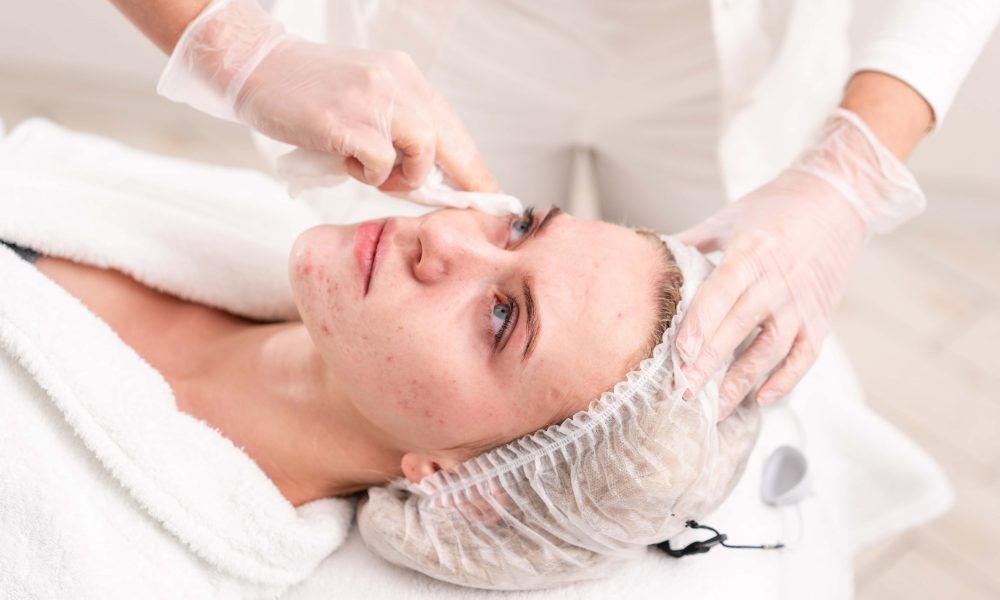
Acne surgery is a specialized dermatological procedure aimed at treating persistent and severe acne. While many people are familiar with topical treatments and medications, acne surgery offers an alternative approach to tackling stubborn acne that doesn’t respond to conventional methods. This article delves into the essentials of acne surgery, including what it involves, its benefits, the types of procedures like cryotherapy, and factors to consider.

The Basics of Acne Surgery

Acne surgery is a procedure used to physically remove or treat acne lesions, often performed by dermatologists for those who have not found success with other treatments. It is typically recommended for individuals with severe acne types, including nodules and cysts, that can lead to long-term skin damage and scarring if untreated. While the term “surgery” might sound intimidating, acne surgery is often minimally invasive and focuses on specific areas of the skin, reducing the risk of widespread damage.

Types of Acne Surgery

Acne surgery isn’t a one-size-fits-all approach; it encompasses various methods tailored to different types of acne. Here are the primary techniques used:

  1. Extraction: In extraction, a dermatologist uses a small, sterile tool to remove blackheads, whiteheads, and other blockages from the pores. This process can be useful for individuals who struggle with recurring blockages. While some people attempt extractions at home, it’s essential to have a professional handle it to prevent skin irritation and scarring.
  2. Incision and Drainage: This procedure is used for larger, painful acne cysts. The dermatologist creates a small incision to drain the fluid, relieving discomfort and helping the area heal faster. This method is especially helpful for cystic acne, as it prevents the cysts from expanding and worsening.
  3. Cryotherapy: Cryotherapy, also referred to as “cold therapy,” is a procedure that uses liquid nitrogen to freeze and treat acne lesions. This process can help in reducing inflammation and shrinking the size of cystic acne. Cryotherapy works well for specific types of acne and is known for its quick application and effectiveness in reducing both the size and pain associated with cysts. However, it is best suited for certain cases, as it may cause temporary redness or skin sensitivity.
  4. Laser Treatment: In some cases, laser therapy is incorporated into acne surgery to reduce bacteria and inflammation. Different types of laser treatments target the root causes of acne, often killing bacteria and shrinking oil-producing glands. Laser treatments can be effective but usually require multiple sessions to achieve optimal results.

Benefits of Acne Surgery

For individuals who have exhausted other treatments, acne surgery can offer significant benefits. Here are a few advantages:

  • Targeted Treatment: Acne surgery allows dermatologists to focus directly on problematic areas, which can result in faster healing and less inflammation.
  • Reduced Scarring: Severe acne can lead to deep scars, which are often difficult to treat. Acne surgery can mitigate this risk by addressing cysts and nodules before they scar the skin.
  • Pain Relief: For those with large, painful cysts, procedures like incision and drainage can relieve discomfort, making it easier to manage the condition on a day-to-day basis.
  • Improved Skin Texture: Cryotherapy and laser treatments are beneficial for improving skin texture, particularly after treating larger lesions. Over time, these methods can lead to smoother, clearer skin.

Cryotherapy: A Closer Look

Cryotherapy is a distinctive method within acne surgery, offering a unique approach to treating acne lesions, particularly cystic acne. During the procedure, a dermatologist uses liquid nitrogen to freeze the acne-affected area. The freezing process effectively reduces inflammation, helping the lesion to diminish in size and reducing the risk of future breakouts in the same area.

Benefits of Cryotherapy for Acne

Cryotherapy is valued for its quick results and minimal invasiveness. It’s also an efficient option for treating stubborn cysts that don’t respond to typical treatments. By freezing the cyst, cryotherapy reduces its size and pain within a short period, often requiring only one session. Another notable benefit of cryotherapy is its ability to reduce pigmentation and redness associated with acne, contributing to an overall clearer complexion. However, while cryotherapy can be highly effective, it’s generally not suitable for all acne types, making a consultation with a dermatologist essential before opting for this treatment.

Considerations Before Opting for Acne Surgery

Before undergoing any form of acne surgery, it’s essential to understand that it may not be suitable for everyone. Here are some factors to consider:

  • Skin Type and Sensitivity: Certain skin types may respond better to some treatments than others. For example, sensitive skin may experience temporary redness or irritation after cryotherapy.
  • Type of Acne: Acne surgery is often more effective for severe acne, such as cysts and nodules. Mild acne may not require surgery and could benefit more from less invasive treatments.
  • Post-Procedure Care: Following acne surgery, patients need to follow specific aftercare instructions, including avoiding sun exposure, using gentle skincare products, and following up with their dermatologist as advised. Post-procedure care is critical for ensuring the treated area heals without complications.
  • Possible Side Effects: While acne surgery is generally safe, there are potential side effects to consider. Cryotherapy, for instance, may cause mild discomfort, temporary discoloration, or redness in the treated area.

Is Acne Surgery Right for You?

Acne surgery offers a promising solution for those struggling with severe or treatment-resistant acne. By addressing cysts, nodules, and other stubborn lesions, acne surgery helps reduce inflammation, scarring, and discomfort. Procedures like cryotherapy are ideal for individuals seeking a targeted approach that can provide relief from persistent acne. If you’re considering acne surgery, it’s important to consult with a dermatologist to discuss which methods align best with your skin type and acne severity.

By understanding the various options, benefits, and potential risks, individuals dealing with severe acne can make informed choices to achieve clearer, healthier skin.


CBD, derived from hemp, contains less than 0.3% Delta-9 THC by weight and is legal under specific Florida regulations. This blog provides an overview of Florida’s CBD legislation, helping you understand where to buy and what to look for when choosing CBD products.

Florida’s CBD Legislation

The 2018 Farm Bill significantly impacted the national landscape for CBD and other hemp-derived products. This legislation legalized the hemp plant and its derivatives, setting the stage for state-level regulations like those in Florida.

Key Points About CBD in Florida

In Florida, CBD products are legal under Rule 5B-57.01 F.A.C. and Rule 581.217(7), F.S. Rule 5B-57.01 F.A.C. These rules outline the regulations for hemp cultivation and distribution. Only licensed producers are allowed to grow hemp on marked lots, and registered growers can cultivate hemp for private or residential use.

Producers in Florida are required by the Florida Department of Agriculture and Consumer Services (FDACS) to test their products. Samples must be collected 15 days before harvest to test THC levels, and a Certificate of Analysis is needed for transported cannabis, along with a detailed invoice.

According to Rule 581.217(7), F.S., CBD products must meet specific requirements to be sold legally. For example, CBD inhalants can only be purchased by individuals over 21 years of age.

Retailers selling CBD-infused food products must have a Hemp Food Establishment License. Labels must include lab test results, THC levels, and confirmation that the product is free from contaminants. Packaging should feature a scannable barcode, batch number, and product information.

Is CBD Legal in Florida by 2024?

The 2018 Agricultural Improvement Act, or Farm Bill, prompted Florida to legalize hemp in 2019. Senate Bill 1020, also known as the “State Hemp Program,” went into effect on July 1, 2019, classifying hemp as an agricultural product. This bill aligned with federal guidelines, allowing cannabis sativa with Delta-9 THC levels of 0.3% or less by weight, and removed hemp from the criminal definition. However, smokable hemp is restricted to individuals 21 years of age or older.

In 2019, House Bill 7107 reclassified FDA-approved products containing less than 1% THC as Schedule 5 substances.

Is CBD Oil Legal in Florida?

CBD oil is legal in Florida under certain conditions. Senate Bill 1020, passed in 2019, allows hemp-derived CBD with less than 0.3% Delta-9 THC. CBD products with THC levels exceeding 0.3% Delta-9 are not legal in the state.

This post was written by a professional at Utoya Organics. Utoya Organics is a producer, developer and manufacturer of hemp-derived products. Buy Delta 8 THC, Delta 9 THC, THCP, HHC, THC-O, CBD, CBG, CBN, and more! We formulate our own products and distribute them all over the United States with over 400 locations nationwide. Utoya specializes in cannabinoid products such as edibles, flowers, tinctures, vapes, amanita mushroom chocolate and more! All of our oil blends are Nano-Amplified to absorb faster (maximum bioavailability). All of our vaping products and hemp flowers are free of any solvents. No MCT, no alcohol, no vitamin E, no VG. Our cannabinoid distillates are never isolates, so it’s always golden in color and very effective. All third-party tested to meet compliance.


Back pain is a prevalent issue that affects millions of people worldwide, impacting their daily lives and overall well-being. From mild discomfort to debilitating agony, back pain can vary widely in its severity and manifestations. Understanding its causes, symptoms, and treatment options is crucial for effectively managing this common ailment.

Causes of Back Pain

  1. Muscle Strain: One of the most common causes of back pain is muscle strain or injury, often resulting from sudden movements, lifting heavy objects improperly, or poor posture.
  2. Herniated Discs: When the soft inner material of a spinal disc protrudes through its tough exterior, it can irritate nearby nerves, leading to back pain.
  3. Degenerative Conditions: Conditions such as osteoarthritis and degenerative disc disease can cause the breakdown of spinal discs and joints, contributing to chronic back pain.
  4. Spinal Stenosis: Narrowing of the spinal canal can put pressure on the spinal cord and nerves, causing pain, numbness, and weakness in the back and legs.
  5. Traumatic Injuries: Accidents, falls, or trauma to the spine can result in fractures, dislocations, or other injuries leading to back pain.

Symptoms of Back Pain

  • Dull Aching: Persistent, dull aching in the back region, which may worsen with movement or certain activities.
  • Sharp or Shooting Pain: Intense, shooting pain that radiates from the back to the buttocks, legs, or feet, often indicative of nerve compression or irritation.
  • Muscle Stiffness: Tightness or stiffness in the muscles of the back, making it difficult to move or bend comfortably.
  • Limited Mobility: Reduced range of motion in the back, accompanied by difficulty in performing daily tasks or activities.
  • Numbness or Tingling: Sensations of numbness, tingling, or weakness in the back or extremities, suggesting nerve involvement.

Treatment Options

Medications

Over-the-counter pain relievers such as ibuprofen or acetaminophen can help alleviate mild to moderate back pain. In cases of severe pain, prescription medications or muscle relaxants may be prescribed.

Physical Therapy

Targeted exercises, stretching routines, and manual therapy techniques can strengthen the muscles, improve flexibility, and alleviate back pain.

Heat and Cold Therapy

Applying heat packs or cold compresses to the affected area can help reduce inflammation, soothe sore muscles, and relieve pain.

Lifestyle Modifications

Maintaining a healthy weight, practicing good posture, and avoiding prolonged sitting or standing can help prevent back pain or reduce its severity.

Surgical Intervention

In cases where conservative treatments fail to provide relief, surgical procedures such as spinal decompression, fusion, or disc replacement may be recommended.

The Role of Knee Replacement in Back Pain

While knee replacement surgery primarily addresses issues related to knee joint degeneration and arthritis, its impact on back pain should not be underestimated. Oftentimes, individuals with knee problems compensate for their discomfort by altering their gait or posture, which can place added stress on the back and contribute to back pain. By restoring proper function and mobility to the knee joint through replacement surgery, patients may experience improved overall biomechanics, leading to reduced strain on the back and decreased back pain.

Conclusion

Back pain can significantly diminish one’s quality of life, but with proper understanding and management, its impact can be minimized. By addressing underlying causes, adopting healthy lifestyle habits, and exploring various treatment modalities, individuals can find relief from back pain and regain control over their daily activities. Whether through conservative measures or surgical intervention, seeking timely medical attention is key to effectively managing back pain and promoting long-term spinal health.