
Author

Elizabeth M. Deberry

Browsing

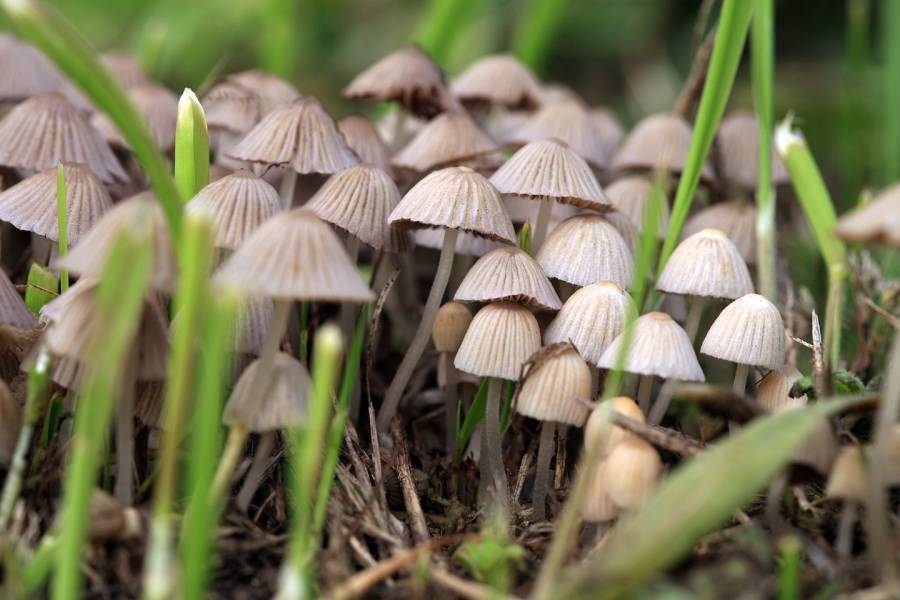
Edibles have gained popularity as a creative and flavorful way to consume cannabis. While common culinary mushrooms are often used in edibles, there is a subset of adventurous individuals who have experimented with incorporating Amanita mushrooms into their edible creations. Amanita mushrooms, also known as fly agaric or Amanita muscaria, possess psychoactive properties and have historical significance in various cultural traditions. This article will explore the practice of using Amanita mushrooms as edibles, discussing the potential risks, proper preparation methods, dosage considerations, and responsible consumption. Through valuable insights, this article aims to provide a comprehensive guide for those interested in exploring the use of Amanita mushrooms in edibles. For those looking to embark on a culinary journey with Amanita mushroom-infused gummies, websites like https://herb.co/products/edibles/galaxy-treats-mango-amanita-mushroom-gummies/ offer an enticing option to explore this unique and adventurous culinary experience.

Historical Significance and Psychoactive Properties

Amanita mushrooms have a rich history and hold cultural significance in various traditions. They contain psychoactive compounds such as muscimol and ibotenic acid, which can induce hallucinogenic effects when consumed. However, it is important to note that the psychoactive properties of Amanita mushrooms can vary, making it essential to approach their use with caution.

Proper Preparation By Reducing Toxins and Potency

To make Amanita mushrooms suitable for consumption, proper preparation methods are necessary. This typically involves drying and heating the mushrooms to convert the ibotenic acid into muscimol, a milder compound. Proper preparation helps reduce potential toxins and decreases the potency of the psychoactive effects.

Dosage Consideration So Start Low and Go Slow

When using Amanita mushrooms as edibles, dosage is of utmost importance. Beginners should start with extremely small amounts and gradually increase if desired. This cautious approach allows individuals to gauge their tolerance levels and ensure a safe and enjoyable experience. It is crucial to understand that the effects of Amanita mushrooms can vary widely among individuals.

Pairing Flavors To Enhance the Culinary Experience

Amanita mushrooms possess a distinct earthy and nutty flavor profile. When incorporating them into edibles, it is important to consider complementary flavors that can enhance the overall taste experience. Aromatic spices, herbs, or natural sweeteners can be used to balance and harmonize the unique flavor of Amanita mushrooms.

Responsible Consumption By Education and Awareness

Responsible consumption is paramount when using Amanita mushrooms as edibles. Education and awareness about the potential risks, proper dosage, and local regulations are crucial. It is recommended to seek guidance from experienced foragers or mycologists to ensure accurate identification and safe usage of Amanita mushrooms.

Risk Mitigation Using Precautions and Expert Advice

To mitigate the potential risks associated with using Amanita mushrooms as edibles, several precautions should be taken. This includes proper identification of Amanita mushroom species, consulting experts for guidance, and following safe preparation techniques. Understanding the distinction between edible and toxic mushrooms is essential to ensure a safe culinary experience.

Cultural and Historical Significance:

Amanita mushrooms hold cultural and historical significance in different parts of the world. They have been used ceremonially and spiritually in certain cultures for their perceived mystical properties and connection to nature. Exploring the use of Amanita mushrooms in edibles can provide an opportunity to learn about and appreciate the cultural heritage associated with these mushrooms.

Artistic Expression and Culinary Innovation:

Incorporating Amanita mushrooms into edibles allows for artistic expression and culinary innovation. The unique appearance and flavor of Amanita mushrooms can inspire creativity in the kitchen, encouraging individuals to experiment with new recipes and presentation techniques. The process of crafting Amanita mushroom-infused edibles can be seen as an art form, blending the worlds of culinary expertise and psychedelic exploration.

Conclusion:

Using Amanita mushrooms as edibles can be an adventurous and unique culinary exploration. However, it is crucial to approach their use with caution and responsibility. Understanding the historical significance, psychoactive properties, proper preparation methods, dosage considerations, and responsible consumption practices are key to a safe and enjoyable experience. Seek expert advice, prioritize personal well-being, and adhere to legal regulations when considering the use of Amanita mushrooms as edibles. With careful attention and respect for the potential risks, individuals can embark on a culinary journey that combines creativity, exploration, and responsible consumption.

Fertility treatment Singapore

In the quest for parenthood, many couples face challenges when it comes to conceiving. Fertility issues can be emotionally and physically draining, leading individuals to explore various options for treatment. Singapore, known for its advanced medical facilities, offers a wide range of fertility treatments. In the quest to unlock the gift of parenthood, a growing number of couples are embracing the power of traditional Chinese medicine (TCM) as a natural and holistic path to enhance fertility.TCM’s potential in Singapore has gained attention due to its long-standing history and effectiveness in promoting overall well-being. Let’s delve into the world of TCM and its role in fertility treatment.

Understanding Fertility Treatment in Singapore

Fertility treatment in Singapore has advanced significantly over the years, providing couples with numerous options to address infertility. In-vitro fertilisation (IVF) and intrauterine insemination (IUI), hailed as modern marvels of fertility treatment, have become trusted allies on the path to parenthood, unlocking the cherished dream of conception for countless couples. However, these treatments can be invasive, costly, and come with potential side effects. As a result, individuals are seeking alternative approaches that focus on natural healing and improving the body’s reproductive health.

Exploring TCM for Fertility

Traditional Chinese medicine, rooted in ancient Chinese practices, takes a holistic approach to healthcare. TCM views fertility as a reflection of overall health and well-being, emphasising balance and harmony within the body. By addressing underlying imbalances and restoring the body’s natural energy flow, TCM aims to enhance fertility naturally. In Singapore, TCM practitioners offer a range of treatments tailored to individual needs, including acupuncture, herbal medicine, dietary therapy, and lifestyle modifications.

Fertility Naturally

Acupuncture: Balancing the Body

Acupuncture, a cornerstone of TCM, involves the insertion of thin needles into specific points along the body’s meridians. This practice is believed to restore the flow of Qi (pronounced “chee”), the body’s vital energy, and promote overall well-being. When it comes to fertility, acupuncture can be beneficial in several ways. It helps regulate hormone levels, improve blood circulation to the reproductive organs, reduce stress and anxiety, and enhance the chances of successful conception.

Herbal Medicine: Nurturing Fertility

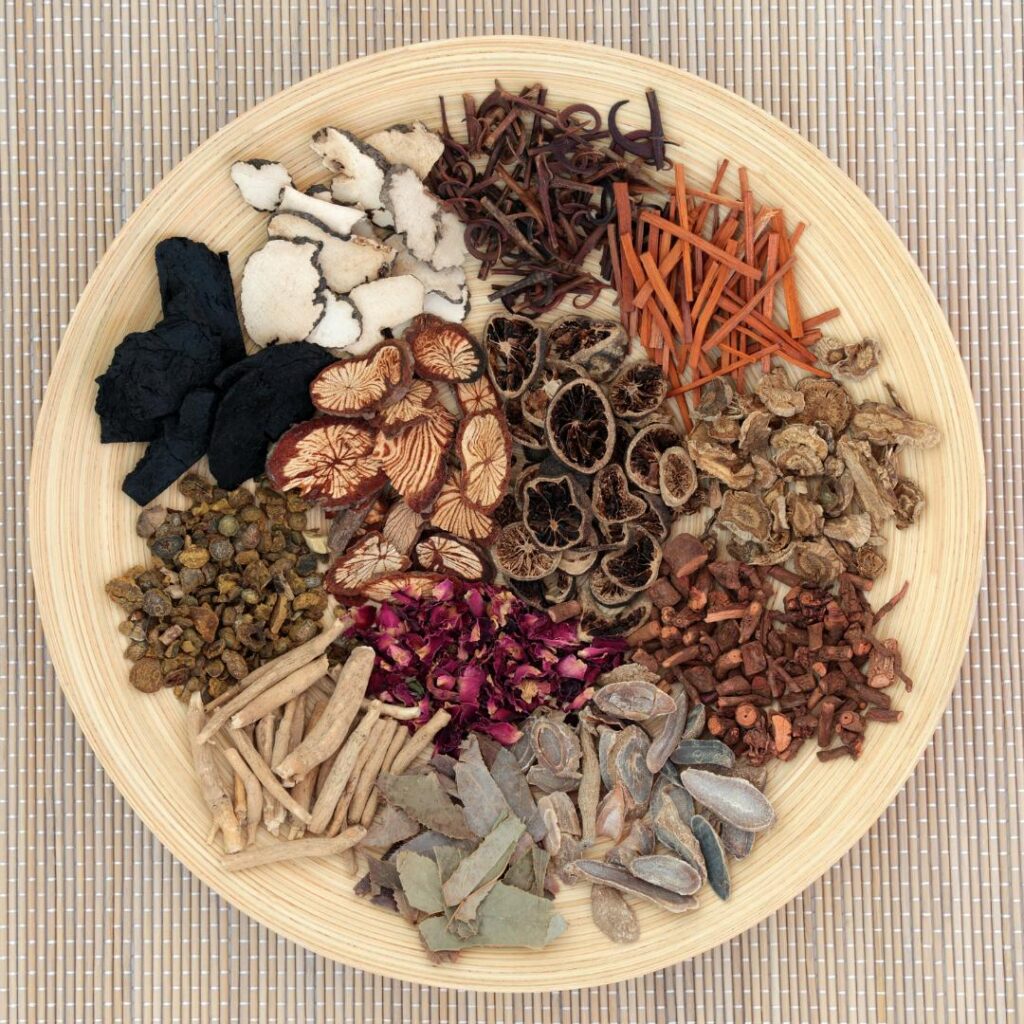
TCM’s herbal medicine plays a crucial role in fertility treatment. TCM practitioners prescribe herbal remedies tailored to each individual’s unique needs, aiming to rebalance the body and support reproductive health. These remarkable herbs have a profound effect, skillfully regulating menstrual cycles, promoting optimal ovulation, enhancing sperm quality, and ultimately boosting overall fertility. It is essential to consult a qualified TCM practitioner who can prescribe the appropriate herbal formula and monitor its effects.

Dietary Therapy: Nourishing the Body

Dietary therapy in TCM emphasises the importance of nourishing the body with the right foods to enhance fertility. TCM practitioners guide individuals on adopting a balanced diet that supports reproductive health. They encourage embracing a nourishing array of nutrient-rich foods, including vibrant fruits, crisp vegetables, wholesome whole grains, lean proteins, and nourishing healthy fats, while steering clear of processed foods, excessive sugar, and caffeine. A healthy diet can positively impact hormone balance, egg quality, sperm production, and overall reproductive function.

Lifestyle Modifications: Creating Optimal Conditions

In addition to acupuncture, herbal medicine, and dietary therapy, TCM emphasises the significance of lifestyle modifications for fertility enhancement. This includes managing stress levels, engaging in regular exercise, getting sufficient sleep, and avoiding harmful habits such as smoking and excessive alcohol consumption. TCM views these lifestyle factors as essential components for promoting overall well-being and increasing the chances of successful conception.

TCM’s Potential in Enhancing Fertility: A Natural Alternative

Traditional Chinese medicine’s potential in enhancing fertility naturally is gaining recognition in Singapore. As an alternative to conventional fertility treatments, TCM offers a holistic approach that addresses imbalances within the body, promotes overall well-being and aims to enhance fertility naturally. With practices such as acupuncture, herbal medicine, dietary therapy, and lifestyle modifications, TCM focuses on restoring balance and harmony within the body, ultimately supporting reproductive health.

Seeking TCM for Fertility: Finding a Qualified Practitioner

The growing interest in Traditional Chinese Medicine’s potential in enhancing fertility naturally has sparked a new wave of hope for couples struggling with infertility through the Infertility treatment in Singapore. TCM’s holistic approach, focusing on rebalancing the body, improving overall well-being, and supporting reproductive health, provides an alternative pathway for those seeking a natural and personalised approach to fertility enhancement.

Embracing Hope: TCM as a Complementary Approach to Conventional Care

If you are considering TCM for fertility, take the time to research and find a qualified TCM practitioner who specialises in reproductive health. Remember to approach TCM as a complementary therapy and work in partnership with your conventional healthcare provider to ensure a comprehensive and integrated approach to your fertility journey.

Don’t let fertility challenges dampen your hopes of starting or expanding your family. Explore the potential of traditional Chinese medicine in Singapore and take a step towards enhancing your fertility naturally. Visit Oriental Remedies Group’s website today!

In the digital age, having a solid online presence is crucial for healthcare providers to effectively connect with their target audience. With the ever-increasing online competition, optimizing your online presence through search engine optimization (SEO) techniques is essential. The purpose of this blog is to provide you with valuable information on improving your online presence in healthcare marketing. We will focus on SEO strategies that can help increase your visibility and attract the right audience.

Understand the Basics of SEO:

To optimize your online presence, it’s vital to understand the fundamentals of SEO. SEO involves various techniques and practices to improve your website’s visibility in search engine results. By aligning your website’s content, structure, and technical elements with search engine algorithms, you increase the chances of ranking higher in relevant searches, driving organic traffic to your site.

Perform Keyword Research:

Keyword research is the cornerstone of SEO. When creating healthcare content, you must recognize the specific keywords and phrases your intended audience uses when seeking information or services. Incorporate these keywords strategically throughout your website’s content, including headings, meta descriptions, and body text. This optimization helps search engines understand the relevance of your content to specific search queries.

Create High-Quality and Relevant Content:

High-quality and relevant content is critical for both SEO and healthcare marketing. Develop informative and engaging content that addresses the needs and concerns of your target audience. This can include blog articles, patient education materials, videos, and infographics. You establish credibility and expertise by providing valuable information, making your website more attractive to search engines and users.

Optimize Website Structure and Navigation:

A well-structured website with user-friendly navigation is vital for effective SEO. Ensure your website is user-friendly by providing clear menu options and organizing pages logically. Utilize internal linking to guide users and search engine crawlers through your site. Additionally, optimize page load speed and ensure mobile responsiveness to provide a seamless user experience, positively impacting your search engine rankings.

Build Quality Backlinks:

Backlinks, or external links from other websites to yours, play a crucial role in SEO. To establish your website’s credibility and reliability, it’s important to have quality backlinks. Consider reaching out to trustworthy healthcare websites and industry directories and collaborating with influencers or experts in your industry to build these links. These efforts will signal to search engines that your website is reputable and trustworthy. Focus on acquiring backlinks from relevant sources to enhance your website’s authority and visibility in search results.

Conclusion:

Optimizing your online presence through SEO is paramount in healthcare marketing. By understanding SEO fundamentals, performing comprehensive keyword research, creating high-quality and relevant content, optimizing website structure and navigation, and building quality backlinks, you can enhance your visibility and attract the right audience. It is important to remember that SEO is not a one-time task but rather an ongoing process that requires consistent monitoring, analysis, and adaptation. This is necessary to stay ahead of the competition and meet the evolving needs of your audience.

FAQs:

Q1: How long does it take to see results from SEO efforts in healthcare marketing?

A1: The timeline for SEO results varies depending on factors such as keyword competitiveness, the quality of content, and website optimization. It usually takes a few months to see notable progress in search engine rankings and organic traffic. Staying patient and consistent is crucial for successful SEO.

Q2: Can SEO benefit hospital marketing specifically?

A2: Absolutely. SEO is crucial for hospital marketing as it helps hospitals improve their online visibility, attract potential patients, and establish their authority in the healthcare industry. By optimizing website content and structure, hospitals can target relevant keywords and increase their chances of appearing in search results.

Q3: Is content creation important for healthcare SEO?

A3: Yes, content creation is crucial for healthcare SEO. Creating high-quality and relevant content helps hospitals provide valuable information to their target audience, establish expertise, and increase visibility in search results. Regularly updating and expanding content can improve search engine rankings and attract organic traffic.

Q4: How can healthcare providers build quality backlinks?

A4: Healthcare providers can build quality backlinks by collaborating with other reputable healthcare websites, industry experts, and influencers. Creating valuable content, participating in industry discussions, and seeking opportunities for guest posting or media coverage can help attract backlinks from relevant and authoritative sources.