
Author

Dionne C. McCampbell

Browsing

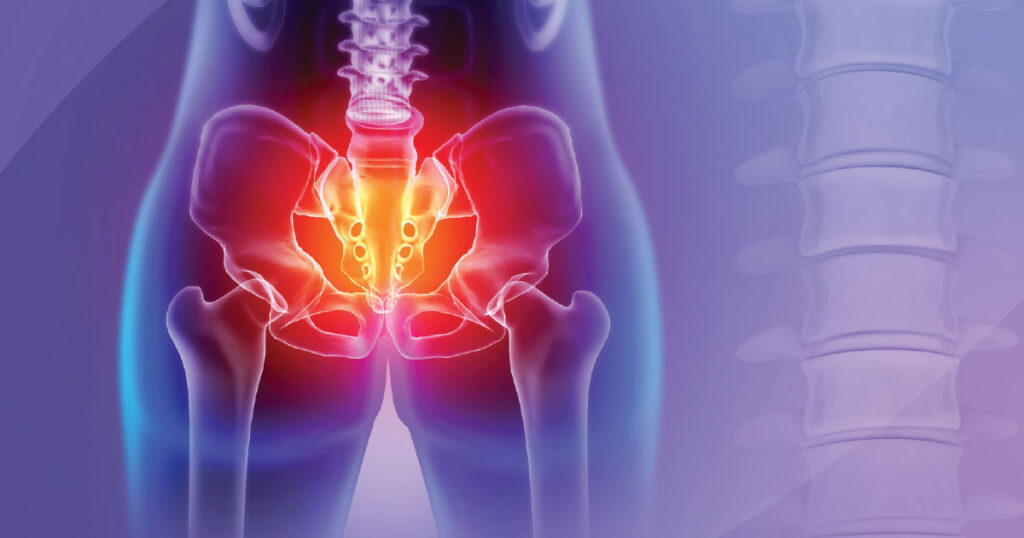
If you have chronic pelvic pain, which is an ache or discomfort that will not go away in your lower belly, it can be frustrating and make you feel alone. It affects millions of people around the world, makes daily life difficult, and is bad for mental health. 

This article goes into great detail about chronic pelvic pain, including what causes it, how to diagnose it, and the different ways it can be treated.

Chronic pelvic pain lasts for at least six months, while occasional cramps only last a few days. The pain, which can be anything from a dull ache to a sharp burning feeling, can be steady or come and go. It can even show up during a sexual encounter. 

In some cases, the cause of chronic pelvic pain is still unknown, but there are a number of things that can make it worse. To learn more, consult an expert for pelvic pain Colonia today. 

Figuring out what causes chronic pelvic pain.

There are a lot of muscles, tendons, nerves, organs, and bones in a woman’s pelvic area. Any of these organs that are not working right or are irritated can cause ongoing pelvic pain. Some common causes are:

  • Endometriosis

Tissue from the uterus grows outside the uterus, causing pain and inflammation.

  • Pelvic inflammatory disease (PID) 

An illness of the reproductive system that is often caused by sexually transmitted infections (STIs) is called pelvic inflammatory disease (PID).

  • Problems with muscles

Pain during urination, bowel movements, or sexual activity can be caused by pelvic floor muscles that are too tight or stressed.

  • Ovarian cysts 

Ovarian cysts are sacs that can form on the ovaries and are filled with fluid. They can be painful.

  • Uterine fibroids

They are growths on the uterus that are not dangerous and can cause pain and pressure in the pelvis.

  • Pelvic organ prolapse

When the pelvic floor gets weak, organs can fall and put pressure on nerves. This is called pelvic organ collapse.

  • Psychological factors

Anxiety, stress, and sadness can make chronic pelvic pain worse or even cause it to start in the first place. 

Pelvic Pain: What Can it Mean? – Precision Spine Care

Figure out where your pelvic pain is coming from.

Pelvic pain that does not go away can be hard to diagnose. Your medical background, such as surgeries, childbirths, and sexual activities, will probably be asked about by the doctor. The doctor needs to know exactly where the pain is, how bad it is, and how often it happens. 

A pelvic check can help find any problems with the organs in the pelvis. Imaging tests, such as ultrasounds or MRI studies, may be needed to see what the problem might be.

How to stop your chronic pelvic pain cycle?

The good news is that you can get help for ongoing pelvic pain. A mix of treatments that are each aimed at the root reason is often the most effective way to treat a problem. Here is a list of some popular ways to treat the problem:

  • Medication.

Depending on the cause, painkillers, hormone treatment, or medicines may be the ideal solution to manage chronic pelvic pain.

  • Physical therapy.

In physical therapy, movements for the pelvic floor muscles can help you get stronger and more flexible.

  • Surgery. 

In some cases, surgery is the only way to get rid of endometriosis, tumors, or other troublesome tissue.

  • Mind-body treatment.

Cognitive behavioral therapy (CBT) and other techniques can help people deal with worry and anxiety, which can make pain worse. 

Living a fulfilling life with chronic pelvic pain.

If you have chronic pelvic pain, it can really lower your quality of life. You can control the condition and take back control of your health, though, if you get the right evaluation and treatment. 

Do not forget that you have friends and family. To get better and live a full life, it is important to be honest with your doctor and look into all of your treatment choices. 

The National Disability Insurance Scheme (NDIS) has significantly transformed access to healthcare services for individuals with disabilities across Australia. In Werribee, a suburb of Melbourne, NDIS participants can access a range of allied health services tailored to their specific needs. This article explores the various allied health services available by NDIS provider in Werribee, aiming to provide clarity and guidance for those seeking support.

Accessing Essential Support Services

Accessing essential support services is the cornerstone of effective NDIS planning for participants in Werribee. From occupational therapy to speech pathology, these services cater to a wide range of needs, ensuring holistic care and support.

In Werribee, NDIS participants can access:

  • Occupational Therapy: Occupational therapists assist individuals in developing skills for daily living, promoting independence and participation in meaningful activities.
  • Speech Pathology: Speech pathologists offer assessment and intervention for communication and swallowing difficulties, enhancing quality of life and social engagement.
  • Physiotherapy: Physiotherapists provide tailored exercise programs and interventions to improve mobility, manage pain, and enhance physical function.

Maximizing Your NDIS Plan

Maximizing your NDIS plan involves harnessing the full spectrum of available supports to achieve your goals. By leveraging allied health services in Werribee, NDIS participants can optimize their plan and enhance their overall well-being.

  • NDIS Plan Review: Regular reviews of your NDIS plan enable adjustments to ensure alignment with your evolving needs and goals. Allied health professionals play a vital role in these reviews, providing valuable insights and recommendations.
  • Goal-Oriented Interventions: Allied health services are tailored to individual goals, whether it’s improving communication skills, increasing mobility, or enhancing independence. Collaborate with your allied health providers to set meaningful goals and track progress over time.

Empowering Individuals Through Allied Health

Allied health services empower individuals to overcome barriers, maximize their potential, and lead fulfilling lives. In Werribee, a holistic approach to care ensures that NDIS participants receive comprehensive support across various domains of health and well-being.

  • Holistic Assessment: Allied health professionals conduct comprehensive assessments to identify strengths, challenges, and areas for growth. This person-centered approach informs the development of tailored interventions and support strategies.
  • Collaborative Care: Collaboration between allied health professionals, participants, carers, and support coordinators is key to achieving optimal outcomes. By working together, stakeholders can leverage their expertise and resources to address complex needs effectively.

Frequently Asked Questions

Are allied health services covered by the NDIS? 

Yes, allied health services are funded under the NDIS if they are deemed reasonable and necessary to support your goals and needs outlined in your plan.

How do I access allied health services in Werribee through the NDIS? 

To access allied health services, discuss your needs with your support coordinator or NDIS planner, who can assist in identifying suitable providers and incorporating them into your plan.

What should I expect during an allied health assessment? 

During an assessment, the allied health professional will gather information about your current abilities, challenges, and goals to tailor interventions and support strategies to your specific needs.

Can I choose my allied health provider in Werribee? 

Yes, NDIS participants have the freedom to choose their allied health providers, ensuring compatibility and alignment with their individual goals and preferences.

How often can I access allied health services through the NDIS? 

The frequency of accessing allied health services depends on your individual needs and goals outlined in your NDIS plan. Regular reviews ensure that services are aligned with your evolving needs.

Are there any out-of-pocket expenses for allied health services under the NDIS? 

While many allied health services are covered by the NDIS, some providers may charge a gap fee. Discuss any potential costs with your chosen provider before commencing services.

Conclusion

In Werribee, NDIS participants have access to a diverse range of allied health services tailored to their unique needs and goals. By leveraging these services, individuals can maximize their NDIS plan, enhance their well-being, and work towards achieving their full potential.

Polycystic ovary syndrome (PCOS) & menopause are two distinct stages in a woman’s life, each presenting its own set of challenges. However, these experiences can overlap for some women, creating a unique set of concerns. Fortunately, telemedicine offers a convenient and effective way to manage both PCOS and menopause symptoms with the support of qualified healthcare professionals.

Understanding the Overlap

Polycystic ovary syndrome (PCOS) disrupts hormone balance, leading to elevated levels of male hormones (androgens), irregular periods, and cyst development in the ovaries. In contrast, menopause signifies the conclusion of a woman’s reproductive years, characterized by a decrease in estrogen and progesterone production.

While seemingly opposite ends of the hormonal spectrum, PCOS and menopause can sometimes co-exist. Women with PCOS may experience a later or more gradual menopausal transition due to their underlying hormonal imbalances. Additionally, symptoms of both conditions, like irregular periods and mood swings, can overlap, making diagnosis and management even more crucial.

Benefits of Telemedicine for PCOS and Menopause

Telemedicine platforms like NowServing offer a range of advantages for women navigating PCOS and menopause:

  • Accessibility: Online consultations eliminate geographical barriers, allowing you to connect with qualified healthcare providers specializing in women’s health, regardless of location
  • Convenience: Schedule appointments that fit your busy life. Telemedicine offers a convenient solution for consultations. You can receive expert care directly from your home, saving you valuable time and energy.
  • Continuity of Care: Telemedicine facilitates the development of a longitudinal patient-provider relationship. This established connection allows your healthcare provider to gain a comprehensive understanding of your unique medical history. Consequently, symptom monitoring and treatment plan optimization become more streamlined.
  • Open Communication: The virtual environment can sometimes foster a more relaxed and open communication style, allowing you to discuss your concerns and questions more freely.

Addressing Specific Concerns

Through telemedicine consultations, you can discuss a variety of concerns related to PCOS and menopause, including:

  • PCOS management: Discuss managing irregular periods, hirsutism (excessive hair growth), and potential fertility concerns.
  • Menopausal symptoms: Receive guidance on managing hot flashes, night sweats, vaginal dryness, and mood swings.
  • Hormone replacement therapy (HRT): Explore the potential benefits and risks of HRT for managing menopausal symptoms while considering your PCOS diagnosis.
  • Lifestyle modifications: Discuss healthy habits that can positively impact both PCOS and menopause, such as diet, exercise, and stress management.

Conclusion

Whether you’re navigating PCOS, menopause, or the intersection of both, telemedicine empowers you to take charge of your health. By connecting with a qualified healthcare provider and creating a personalized treatment plan, you can effectively manage your symptoms, improve your quality of life, and feel confident throughout these transitional periods.

NowServing can be your partner in navigating PCOS and menopause. Schedule an online consultation today and embark on a journey towards a healthier, happier you. Visit their website at https://nowserving.ph/ to get started.