
Author

Roger Greene

Browsing

Irritable Bowel Syndrome (IBS) is a common gastrointestinal disorder affecting millions worldwide. If you’re seeking effective guidance for managing IBS, the expertise of gastroenterologists in Calicut can be invaluable. Here’s a comprehensive overview of IBS and the best strategies for treatment and relief.

Understanding Irritable Bowel Syndrome:

IBS is a chronic disorder that affects the large intestine, causing symptoms like abdominal pain, bloating, gas, and altered bowel habits. Its exact cause is unknown, but factors like diet, stress, and abnormalities in the gut microbiota can contribute.

Key Guidance from Gastroenterologists:

Accurate Diagnosis:

Gastroenterologists employ thorough diagnostic evaluations, including medical history, physical examination, and sometimes, imaging or laboratory tests, to confirm IBS and rule out other conditions.

Tailored Dietary Plans:

Gastroenterologists collaborate with nutritionists to create personalized dietary plans, emphasizing low-FODMAP (fermentable oligosaccharides, disaccharides, monosaccharides, and polyols) diets, which can alleviate symptoms.

Lifestyle Modifications:

Recommendations for lifestyle changes, including stress management techniques and regular exercise, play a crucial role in IBS management.

Medication Guidance:

Gastroenterologists prescribe medications based on symptoms. These may include antispasmodics, laxatives, or medications targeting specific aspects of IBS, such as diarrhea-predominant or constipation-predominant symptoms.

Probiotics and Gut Health:

Gastroenterologists often recommend probiotics to restore a healthy gut microbiota balance, contributing to symptom relief.

Psychological Support:

Addressing the psychological component of IBS is integral. Gastroenterologists may collaborate with mental health professionals to provide cognitive-behavioral therapy or other interventions.

Holistic Approach to Treatment:

Gastroenterologists adopt a holistic approach, recognizing that IBS is a multifactorial condition. This involves addressing physical, dietary, and psychological aspects to enhance overall well-being.

Ongoing Management:

Gastroenterologists work closely with patients for ongoing symptom management. Regular follow-ups allow for adjustments to treatment plans based on individual responses.

Patient Education:

Gastroenterologists empower patients with knowledge about IBS, its triggers, and effective self-management strategies. Education is a cornerstone for fostering long-term well-being.

Conclusion:

For those grappling with the challenges of irritable bowel syndrome, seeking guidance from experienced gastroenterologists in Calicut is a crucial step toward effective management. The personalized approach, encompassing diagnostics, lifestyle modifications, and targeted treatments, ensures that individuals can regain control over their digestive health. Remember, a collaborative effort between patients and gastroenterologists paves the way for a more comfortable and fulfilling life despite IBS.

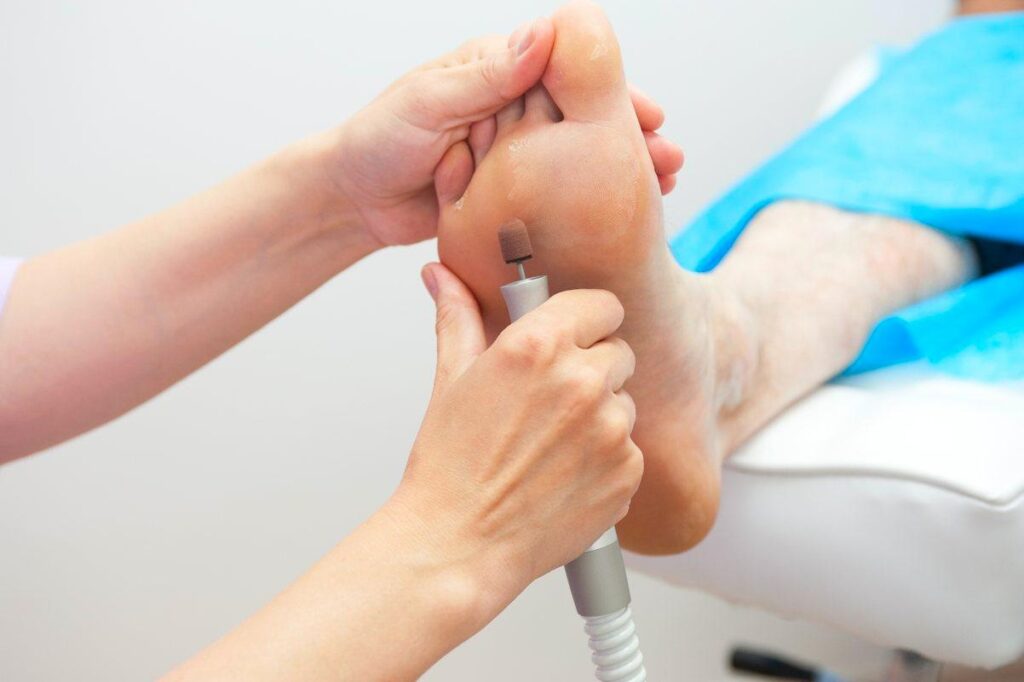
Blisters represent localized skin irritations filled with fluid buildup in bodies that naturally cushion or protect deeper tissues below from friction or trauma damage. Feet endure constant pressures making them susceptible to blister formation, especially around toes, heels, sides, or ball-of-foot regions through ill-fitting shoes rubbing repeatedly irritating epithelial layers as we walk.

While bothersome when new forming, proper home care usually resolves discomfort over days without incident. However, deeper skin layer penetration becoming infected through bacterial infiltration creates complications necessitating medical interventions protecting against heightened risks like cellulitis, swollen lymph nodes, blood poisoning, and deep tissue damage if left untreated.

What triggers infection escalations?

Several factors turn standard friction fluid-filled blisters into breeding grounds for dangerous bacterial bloom infections internally:

  • Puncture popping – Compromising protective skin layers allows external germ introduction into the wound.
  • Immunocompromised states – Certain health conditions like diabetes or medications suppress immune responses unable to fight infections once they take hold.
  • Poor hygiene practices – Failing proper blister skin sterilization before dressing changes or infrequent bandage replacement enables bacterial invasion into ideal warm, moist environments.
  • Tight footwear – Constricting shoes prevent drainage and oxygenation while applying pressures forcing bacteria particles deeper through compromised cracked skin barriers.

Symptoms differentiating infected blisters

infected blister on foot naturally fading away through home rest and care, escalated infections announced through amplified symptoms:

  • Intensified pain/sensitivity – Previously tender zones transform into an extremely hot, acute sensitivity to the touch indicating swelling inflammation below.
  • Expanding redness/heat – Skin reddening and hot-to-the-touch skin spreading beyond the blister borders signals the underlying spread of bacterially infected regions.
  • Pus/discharge – Yellow/greenish viscous fluid seeping from pores surrounds the blister instead of clear plasma, indicating a high white blood cell response.
  • Foul odors – Distinct unpleasant smells emanate from foot signals cultivating bacterial bloom including aggressive types like streptococcus or staphylococcus organisms.

Rapid swelling, purulent discharge, or foul smells represent warning signs of infection taking hold necessitating antibiotic intervention to protect against heightened complications like cellulitis inflammation risks. Don’t hesitate to seek care by observing these acute symptoms.

Effective home care easing discomfort

Before infections advance seeking urgent care, proactive home steps minimize discomfort aiding recovery:

  • Sterile bandages – Apply new dressings at least once a day using clean, sterile gauze or adhesive bandages.
  • Warm soaks – Epsom salt foot soaks soften the skin, improve drainage and oxygenation, and fight infection bloom.
  • Topical antibiotic ointments – Over-the-counter topical antibiotics like Neosporin or Polysporin applied on dressing changes fight bacteria introduction and combat early-stage infection.
  • Limited walking – Avoid excessive walking to reduce friction and sweat accumulation that slows healing and promotes bacterial growth. Use crutches when moving.
  • Light stretching – Gentle flex motions improve circulation without over-compressing blisters speeding tissue repairs impeded through inactivity lowering immunity responses further.

Catching escalation early best sustains home healing trajectories avoiding requiring advanced interventions like oral prescription antibiotics or clinical debridement procedures used to remove infected tissues surgically. Don’t ignore acute pain or discomfort hoping problems fade without responsive action taken.


Feminine hygiene is a topic that often leads to various opinions and discussions. One of the ongoing debates is the choice between using specialized products like Vwash and traditional soap for feminine hygiene. 

In this comprehensive guide, we’ll delve into the pros and cons of each option, helping you make an informed decision based on your unique needs and preferences.

  • Understanding Vwash: Tailored for Feminine Care

What sets Vwash apart?

Vwash, a specially formulated intimate hygiene product, is designed to maintain the pH balance of the vaginal area. Unlike regular soaps, which can be harsh and disrupt the natural balance, Vwash aims to provide a gentle yet effective cleansing experience.

  • Pros of using Vwash:

Maintains pH balance: Vwash is carefully crafted to match the natural pH of the intimate area, 

preventing disruptions that may lead to discomfort or infections.

Gentle and soothing: The formula is often enriched with soothing ingredients, offering a gentle cleanse without causing irritation.

Specialized formulation: Vwash is created with the unique needs of the vaginal area in mind, ensuring optimal care and hygiene.

Odor control: Vwash may offer enhanced odor control, addressing a common concern for many women.

Reduced risk of irritation: The absence of harsh chemicals in Vwash minimizes the risk of skin irritation, making it suitable for those with sensitive skin.

  • Cons of using Vwash:

Cost: Vwash can be more expensive than traditional soaps, potentially affecting your budget for personal care products.

Availability: Depending on your location, finding Vwash may not be as convenient as picking up a regular soap at your local store.

Limited multipurpose use: Vwash is designed for specific use, and its application may be limited compared to multipurpose traditional soaps.

  • Traditional Soap: The Everyday Alternative

Why do some women prefer traditional soap?

Traditional soap has been a go-to for personal hygiene for generations. It’s readily available, familiar, and often more budget-friendly than specialized products.

  • Pros of using traditional soap:

Cost-effective: Regular soap is widely available at affordable prices, making it a cost-effective choice for many women.

Availability: You can find traditional soap in nearly every store, providing easy access for those who may not have specialty stores nearby.

Multipurpose use: Traditional soaps can serve multiple purposes, making them a versatile option for those who prefer simplicity in their personal care routine.

Variety of options: With a plethora of scents and formulations, traditional soaps allow for personalization based on individual preferences.

Familiarity: Many women prefer traditional soaps due to their familiarity and the sense of trust associated with time-tested products.

  • Cons of using traditional soap:

pH imbalance risk: Many traditional soaps are alkaline, which can disrupt the natural pH of the vaginal area, potentially leading to irritation or infections.

Harsh ingredients: Some soaps contain harsh chemicals and fragrances that may be irritating, especially for those with sensitive skin.


Potential for dryness: The alkaline nature of traditional soaps can strip the skin of natural oils, leading to dryness, which may be uncomfortable for some women.

  • Making the Right Choice

In the Vwash vs. traditional soap debate, there is no one-size-fits-all answer. The decision ultimately comes down to personal preferences, sensitivities, and budget considerations.

  • Consider the following factors when making your choice:

Individual Sensitivities: If you have sensitive skin or a history of infections, the gentle formulation of Vwash may be a better fit.

Budget: Traditional soap is a more economical choice, making it suitable for those looking to maintain personal care without breaking the bank.

Convenience: While Vwash may offer specialized care, consider how easy it is to access in your location.

Preference for scents: If you enjoy a variety of scents and formulations, traditional soap might cater more to your personal preferences.

Long-term effects: Consider the long-term effects on your skin and overall well-being, as each option may have different impacts over time.

Conclusion: Finding Your Ideal Balance

In the Vwash vs. traditional soap dilemma, the key is to strike a balance that aligns with your preferences and individual needs. Both options have their merits, and choosing the right one involves considering your budget, sensitivities, the convenience of acquiring the product, preference for scents, and the potential long-term effects on your skin. Ultimately, maintaining feminine hygiene is a personal journey, and finding the right product enhances your comfort and well-being. Though alot of women prefer to buy vwash products for maintaining their intimate hygiene.