
Author

Roger Greene

Browsing

Combat-Related Injuries and Their Long-Term Impact

Veterans often face complex health issues stemming from combat-related injuries. These can range from amputations and burns to traumatic brain injuries (TBI) and spinal cord injuries. The long-term impact of such injuries necessitates a multifaceted approach to rehabilitation, one that addresses both physical and psychological aspects of recovery.

Psychological Trauma and Physical Recovery

The intersection of psychological trauma and physical recovery is a critical area of focus in veteran rehabilitation. Conditions such as PTSD can significantly hinder the rehabilitation process, making it essential to integrate mental health support within physical therapy regimens.

Tailoring Rehabilitation Programs to Veteran Populations

Rehabilitation programs for veterans must be tailored to meet their specific needs. This includes considering factors such as age, type of service, and the nature of their injuries. Programs may incorporate VA-provided services like glasses, hearing aids, caregiver benefits, TBI treatment, dental care, and Agent Orange support. A comprehensive military health care topics and benefits directory is available to assist in navigating these options.

Innovations in Physical Rehabilitation for Veterans

The landscape of physical rehabilitation for veterans is rapidly evolving, with cutting-edge technologies and approaches enhancing the quality and effectiveness of care. These innovations are not only improving functional outcomes but also enriching the rehabilitation experience for those who have served.

Advancements in Prosthetic Technology

Prosthetic technology has seen remarkable progress, with the development of more sophisticated and user-friendly devices. Key advancements include:

  • Bionic limbs that mimic natural movement through advanced sensors and motors.
  • 3D printing of prosthetics, allowing for personalized and cost-effective solutions.
  • Integration of machine learning to adapt prosthetics to the user’s behavior and environment.

Virtual Reality and Gamification in Therapy

The use of virtual reality (VR) and gamification introduces an engaging element to therapy, which can lead to increased motivation and adherence to rehabilitation programs. This approach includes:

  • VR simulations that provide safe, controlled environments for veterans to practice physical and cognitive skills.
  • Gamified exercises that transform rehabilitation tasks into interactive games, making therapy more enjoyable.

Integrative and Holistic Approaches to Veteran Care

An integrative and holistic approach to rehabilitation addresses the multifaceted needs of veterans. This includes:

  • Combining traditional physical therapy with complementary practices such as yoga and acupuncture.
  • Emphasizing the importance of mental health support alongside physical recovery.
  • Encouraging community involvement and social support as part of the rehabilitation process.

These innovations are crucial in providing comprehensive care that supports veterans in their journey to recovery and beyond.

Barriers to Accessing Quality Rehabilitation for Veterans

Navigating the Veterans Health Administration

The Veterans Health Administration (VHA) is a massive entity, and veterans often find themselves lost in a maze of bureaucracy when seeking rehabilitation services. The complexity of the system can lead to delays in receiving care, confusion over eligibility and benefits, and a general sense of frustration. Veterans need clear guidance and support to effectively navigate the VHA.

Economic and Geographic Challenges

Access to quality rehabilitation is not uniform across the country. Veterans living in rural or economically disadvantaged areas may face significant hurdles. Transportation to facilities, the availability of specialized services, and the cost of care can all impede a veteran’s recovery journey. Affordable and local services are crucial for equitable rehabilitation access.

Stigma and Mental Health: Seeking Help

Despite increased awareness, there remains a stigma associated with seeking help for mental health issues, which are often intertwined with physical rehabilitation. Veterans may feel reluctant to pursue treatment due to perceived weakness or fear of judgment. This can prevent them from accessing the comprehensive care they need. Encouraging a culture of openness and support is essential to overcome these barriers.

Collaborative Efforts to Improve Veteran Rehabilitation Services

The landscape of veteran rehabilitation is being reshaped through strategic collaborations that aim to enhance the quality and accessibility of services. These partnerships are crucial in addressing the complex needs of veterans as they transition back into civilian life.

Partnerships Between Military and Civilian Medical Centers

Military and civilian medical centers are increasingly joining forces to provide comprehensive care. These partnerships often result in the sharing of best practices, research collaborations, and the development of specialized programs tailored to the unique needs of veterans. By leveraging the strengths of both military precision and civilian innovation, these alliances are setting new standards in rehabilitative care.

Role of Nonprofits and Community Organizations

Nonprofits and community organizations play a pivotal role in supporting veterans beyond the scope of government programs. They provide essential services such as counseling, job training, and social reintegration programs. Often, these organizations act as a bridge, connecting veterans to resources and support networks that facilitate their rehabilitation journey.

Policy Initiatives and Legislative Support for Veteran Health

Policy initiatives and legislative support are fundamental in ensuring that veterans receive the rehabilitation services they deserve. Lawmakers are working to pass legislation that improves funding, access, and the quality of care. Advocacy by various stakeholders, including Maryland VA disability law firms, is instrumental in driving these changes, ensuring that veterans’ voices are heard and their needs are met in the legislative arena.

Measuring Success in Veteran Rehabilitation Outcomes

Defining and Tracking Rehabilitation Milestones

In the realm of veteran rehabilitation, clearly defining and meticulously tracking milestones is crucial for assessing progress. These milestones may include improvements in mobility, pain reduction, and the ability to perform daily activities. Establishing these benchmarks allows for a structured approach to therapy and provides veterans with tangible goals to strive for.

Veteran Satisfaction and Quality of Life Indicators

The subjective experience of veterans undergoing rehabilitation is a vital component of success. Satisfaction surveys and quality of life assessments offer insights into the personal impact of rehabilitation services. These indicators help to ensure that the programs not only address physical needs but also enhance the overall well-being of veterans.

Long-Term Studies and Follow-Up Care Strategies

To truly measure the efficacy of rehabilitation programs, long-term studies and consistent follow-up care are essential. These studies can reveal the durability of rehabilitation outcomes and identify any ongoing or emerging needs of veterans. Follow-up care strategies, including regular check-ins and support services, contribute to sustained health and recovery.

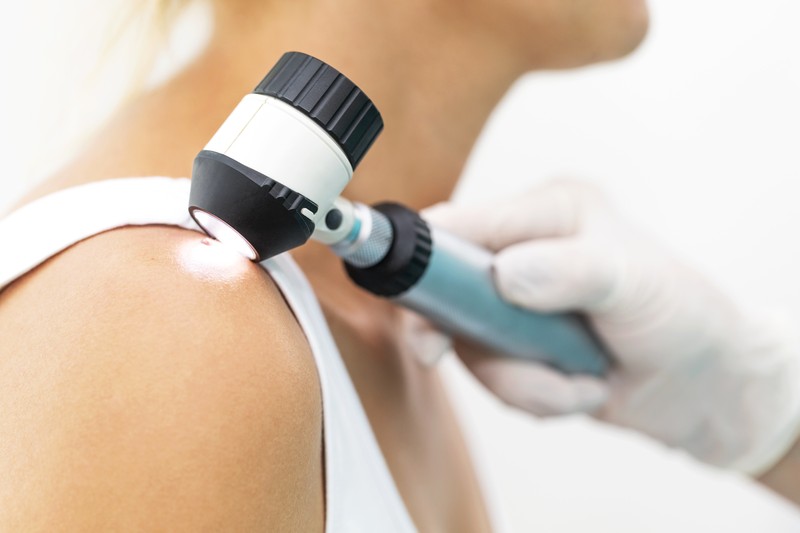
Underarm whitening is a topic of increasing interest among individuals seeking to enhance the appearance of their underarms. This desire stems from various factors, including the pursuit of an even skin tone, the elimination of dark patches, and the boost in self-confidence that comes with having brighter, smoother underarms. In this comprehensive guide, we will delve into the world of underarm whitening treatments, focusing on clinical options that promise to deliver remarkable results without the need for surgical intervention.

Understanding the Basics of Underarm Whitening

Underarm whitening treatments are designed to lighten the skin in the underarm area, targeting pigmentation issues that can lead to a darker appearance. These treatments work by reducing the production of melanin, the pigment responsible for skin color, thereby achieving a lighter skin tone. With advancements in dermatological science, a variety of clinical treatments have emerged, offering safe and effective solutions for underarm whitening.

Top Clinical Treatments for Underarm Whitening

Chemical Peels for Underarm Whitening

Chemical peels are a popular choice for underarm whitening. This treatment involves the application of a chemical solution to the underarm area, which exfoliates the top layers of skin, removing dead skin cells and promoting the growth of new, lighter skin. Different types of chemical peels are available, ranging from mild to deep peels, depending on the intensity of treatment required. It is crucial to consult with a dermatologist to determine the most suitable type of chemical peel for your skin type and underarm whitening goals.

Laser Therapy for Underarm Brightening

Laser therapy is another highly effective clinical treatment for underarm whitening. This advanced technique uses focused light energy to target and break down melanin clusters in the skin, leading to a reduction in pigmentation. Laser therapy not only aids in lightening the skin but also promotes collagen production, resulting in smoother, rejuvenated underarms. Multiple sessions may be required to achieve optimal results, and a consultation with a skin care specialist will provide guidance on the expected outcomes and number of treatments needed.

Intense Pulsed Light (IPL) Treatment

Intense Pulsed Light (IPL) treatment is a versatile option for those looking to lighten their underarms. IPL uses a broad spectrum of light to target pigmented cells, effectively reducing dark spots and evening out the skin tone. Unlike laser therapy, which uses a single wavelength, IPL encompasses a range of wavelengths, allowing it to address various skin concerns simultaneously. IPL is particularly beneficial for individuals with uneven skin tone and texture, offering a non-invasive solution for underarm whitening.

Microdermabrasion for Underarm Skin Renewal

Microdermabrasion is a gentle yet effective treatment for underarm whitening. This procedure involves the use of a specialized device to exfoliate the skin, removing the outermost layer of dead skin cells. By stimulating skin renewal, microdermabrasion helps to lighten the underarm area, reduce the appearance of dark spots, and improve overall skin texture. It is a safe and painless treatment, suitable for all skin types, and can be performed in a clinical setting with minimal downtime.

Topical Treatments for Underarm Lightening

In addition to clinical procedures, topical treatments play a significant role in the underarm whitening process. Dermatologists often recommend the use of creams and serums containing ingredients such as kojic acid, glycolic acid, and vitamin C, known for their skin-lightening properties. These topical solutions work by inhibiting melanin production and accelerating cell turnover, gradually lightening the skin tone. Consistent use, as directed by a skin care professional, is essential for achieving noticeable results.

Maintaining Bright, Smooth Underarms

Achieving brighter, smoother underarms through clinical treatments is just the beginning. To maintain the results, it is important to adopt a comprehensive skincare routine that includes gentle cleansing, moisturizing, and the application of sunscreen to protect the treated area from UV damage. Avoiding harsh deodorants and opting for natural or hypoallergenic alternatives can also prevent irritation and contribute to the overall health of your underarms.

Conclusion

Underarm whitening treatments offer a safe and effective way to achieve brighter, smoother underarms, boosting confidence and enhancing the overall appearance. Whether you opt for chemical peels, laser therapy, IPL treatment, microdermabrasion, or topical solutions, consulting with a dermatologist is crucial to select the most appropriate treatment for your skin type and whitening goals. Remember, the journey to lighter underarms requires patience, dedication, and proper skin care maintenance to ensure lasting results.

Erectile Dysfunction (ED) is a common issue that affects many men, often leading to feelings of frustration and embarrassment. While various factors contribute to this condition, one significant yet frequently overlooked contributor to this condition is smoking. 

The harmful substances in cigarettes can have profound effects on various aspects of health, particularly sexual function. Research has established a clear link between smoking and Erectile Dysfunction, highlighting how it impacts blood flow, hormone levels, and overall vascular health. Understanding this connection is crucial for those experiencing erectile difficulties, as it opens the door to effective solutions. 

By recognizing the role smoking plays in sexual health, individuals can take proactive steps toward improving their well-being, including quitting smoking. These measures can lead to enhanced erectile function and a more satisfying intimate life.

The link between smoking and Erectile Dysfunction

Research reveals a strong connection between smoking and Erectile Dysfunction. Studies show that men who smoke are significantly more likely to experience difficulties with erections compared to non-smokers. 

While quitting smoking can significantly improve Erectile Dysfunction, you can also take medicines to aid erection rapidly. Buy Cenforce 100 mg and Vidalista 60 mg from GoodRx and embrace a fulfilled sexual life!

For instance, a comprehensive review found that smokers are about 1.5 times more likely to have Erectile Dysfunction. This statistic covers the importance of understanding how smoking affects sexual health.

How does smoking affect sexual health?

Smoking and Erectile Dysfunction have a connection that can exacerbate the erection problems if left untreated. Smoking affects your sexual health in the following ways:

  • Vascular health: One of the main ways smoking leads to ED is through its harmful effects on blood vessels. Smoking contributes to Atherosclerosis, a condition where arteries become narrowed and hardened. This restriction in blood flow can make it challenging to achieve or maintain an erection since erections rely heavily on healthy blood circulation
  • Hormonal changes: Smoking also disrupts hormone levels, particularly Testosterone. Low Testosterone can lead to less sexual desire and contribute to Erectile Dysfunction. Research suggests that smoking can disrupt the body’s hormonal balance, complicating sexual health
  • Neurological effects: The nervous system plays a crucial role in achieving an erection. Unfortunately, smoking can have neurotoxic effects that impair these essential neural pathways. Nicotine and other chemicals in cigarettes can damage nerves, making it harder for the body to respond to sexual stimuli
  • Psychological factors: Beyond physical impacts, smoking can affect mental health, leading to Anxiety and Depression. These issues can further complicate ED, creating a cycle of distress. The stigma surrounding smoking may also add to feelings of shame regarding sexual performance, exacerbating the problem

The benefits of quitting smoking

Quitting smoking can improve erections. Many studies highlight the positive changes in sexual health that follow smoking cessation:

  • Improved blood flow: After quitting, the body begins to repair itself. Blood circulation often improves within weeks, enhances blood influx to the penis, and makes it easier for you  to achieve and maintain an erection
  • Hormonal balance: Stopping smoking can help restore Testosterone levels. Higher Testosterone can boost libido and enhance overall sexual function
  • Enhanced mental well-being: Quitting smoking can improve mental health, alleviating Anxiety and Depression. A more positive mindset can boost confidence and easier to engage in sexual activity without the burden of stress
  • Long-term benefits: Men who quit smoking see a reduced risk of developing ED over time. Research indicates that those who remain smoke-free can enjoy a healthier sexual life compared to those who continue to smoke

Additional risk factors

While smoking is a major contributor to ED, other lifestyle and health factors should also be considered:

  • Obesity: Carrying excess weight can lead to hormonal changes and increase the risk of vascular disease, both linked to ED
  • Diabetes: High blood sugar levels can also cause damage to blood vessels and nerves. Therefore, it can elevate the risks of Erectile Dysfunction
  • Alcohol and drug abuse: Excessive drinking and drug use can impair sexual function, leading to ED
  • Age: While aging naturally increases the risk of ED, lifestyle choices like smoking can speed up this process

Steps toward recovery

If you or someone you know is facing smoking-related Erectile Dysfunction, consider these steps:

  • Seek professional help: Doctors can offer guidance on quitting smoking. They might recommend counseling, Nicotine Replacement Therapies, or medications to ease the process
  • Adopt a healthy lifestyle: Eat a balanced diet, do regular exercise, and get adequate sleep can improve overall health and support recovery from smoking-related Erectile Dysfunction
  • Engage in counseling: Therapy or support groups can help address psychological barriers, boost confidence, and improve sexual performance
  • Be patient: Recovery takes time. Improvements in erectile function may not be immediate, but many individuals see significant progress with sustained effort and lifestyle changes.

Conclusion

The relationship between smoking and Erectile Dysfunction is crucial to understand, especially for those affected by ED. Quitting smoking not only enhances overall health but can also lead to improved sexual function and a more fulfilling intimate life. 

Individuals can regain their sexual health and well-being by recognizing this connection and taking proactive steps toward cessation and healthier living. If you or someone you know is facing these challenges, consider seeking support and making changes for a healthier, more satisfying future. Remember, it’s never too late to prioritize your health and happiness.