
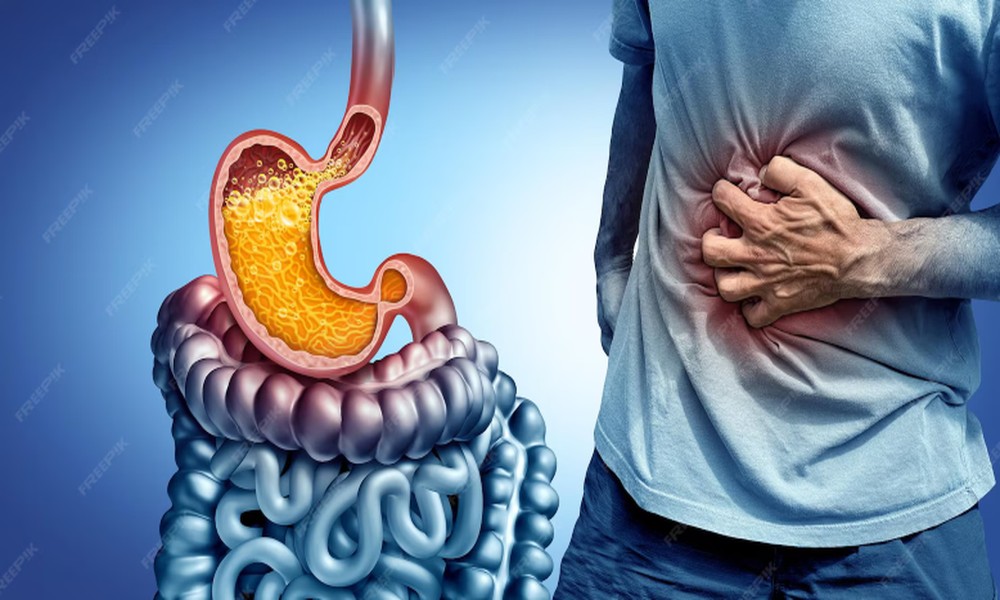
Digestive discomfort is a common health concern that affects many people at some point in their lives. Two conditions that are often confused are gastric pain and gastroesophageal reflux disease (GERD). While both may involve upper abdominal discomfort and digestive symptoms, they are not the same condition.
Understanding the difference between gastric discomfort and GERD may help individuals recognize symptoms early and seek appropriate medical care. Although the symptoms may overlap, the causes, triggers, and treatment approaches can vary significantly.
What Is Gastric Pain?
Gastric ache refers to discomfort or pain originating from the stomach area, usually located in the upper abdomen. The pain may feel sharp, burning, dull, cramping, or bloated depending on the underlying cause.
Several digestive conditions may lead to gastric pain, including gastritis, stomach ulcers, indigestion, food intolerance, infections, or excessive stomach acid production. In some cases, stress and irregular eating habits may also contribute to stomach discomfort.
People experiencing gastric pain may notice symptoms such as nausea, bloating, loss of appetite, fullness after meals, or stomach tenderness.
What Is GERD?
GERD, or gastroesophageal reflux disease, is a chronic digestive condition where stomach acid repeatedly flows back into the esophagus. This acid reflux may irritate the lining of the esophagus and cause uncomfortable symptoms.
The most common symptom of GERD is heartburn, which is often described as a burning sensation in the chest. Some individuals may also experience regurgitation, sour taste in the mouth, chronic cough, throat irritation, or difficulty swallowing.
Unlike general gastric pain, GERD mainly involves problems related to acid reflux and dysfunction of the lower esophageal sphincter, which normally prevents stomach contents from flowing backward.
Key Differences Between Gastric Pain and GERD
Although both conditions affect the digestive system, several important differences help distinguish them.
Location of Discomfort
Gastric pain is usually felt in the upper abdomen or stomach area. The discomfort may worsen after eating certain foods or when the stomach lining becomes irritated.
GERD symptoms are commonly felt behind the breastbone or chest area due to acid reflux affecting the esophagus.
Main Cause
The causes of gastric pain vary widely and may include inflammation, ulcers, infections, overeating, or indigestion.
GERD is specifically caused by repeated acid reflux into the esophagus. Weakness of the lower esophageal sphincter is often a major contributing factor.
Common Symptoms
People with gastric pain may experience bloating, nausea, stomach cramps, and abdominal discomfort.
GERD is more strongly associated with heartburn, acid regurgitation, chronic throat irritation, and a sour taste in the mouth.
Symptom Triggers
Heavy meals, spicy foods, alcohol, stress, and prolonged fasting may trigger gastric pain in some individuals.
GERD symptoms are often worsened by lying down after meals, obesity, smoking, caffeine, and acidic foods.
Common Causes of Gastric Pain
There are many possible causes of gastric pain, ranging from mild digestive irritation to more serious gastrointestinal conditions.
Gastritis
Gastritis refers to inflammation of the stomach lining. It may occur due to bacterial infection, excessive alcohol intake, long-term use of nonsteroidal anti-inflammatory drugs (NSAIDs), or chronic stress.
Peptic Ulcers
Stomach ulcers are open sores that develop in the stomach lining or upper small intestine. They may cause burning abdominal discomfort, nausea, and bloating.
Indigestion
Indigestion may occur after overeating or consuming fatty, spicy, or greasy foods. Symptoms may include fullness, bloating, and upper abdominal discomfort.
Food Intolerance
Certain individuals may develop digestive symptoms after consuming dairy products, spicy foods, or other trigger foods that irritate the stomach.
Risk Factors for GERD
Several factors may increase the likelihood of developing GERD.
Obesity may place additional pressure on the stomach, increasing the chance of acid reflux. Pregnancy may also contribute due to hormonal changes and abdominal pressure.
Smoking, alcohol consumption, and frequent intake of caffeine or acidic foods may weaken the lower esophageal sphincter over time. Eating large meals late at night may also worsen reflux symptoms.
When to Seek Medical Attention
Occasional digestive discomfort may not always indicate a serious condition. However, persistent symptoms should not be ignored.
Individuals should seek medical evaluation if gastric pain becomes severe, recurrent, or associated with symptoms such as vomiting blood, black stools, unexplained weight loss, or persistent nausea.
Similarly, untreated GERD may lead to complications such as esophagitis, ulcers, narrowing of the esophagus, or Barrett’s esophagus over time.
Conclusion
Although gastric pain and GERD may share similar digestive symptoms, they are different conditions with distinct causes and treatment approaches. Gastric pain usually originates from the stomach itself, while GERD mainly involves acid reflux affecting the esophagus.
Recognizing the differences between these conditions may help individuals seek timely medical evaluation and proper treatment. Persistent digestive discomfort should never be ignored, especially when symptoms become severe, frequent, or interfere with daily activities.

Comments are closed.