

Archive

February 2024

Browsing

Physiotherapy sessions are not normal exercise sessions. It involves a deeper study of your body and medicines. There are plans (one of which is Integral Performance Physio Osteopath) to suit your requirement. Your doctor will recommend you to go for physiotherapy sessions based on your medical reports.

Let’s understand through the following points what a physiotherapist can help you with:

  1. Pain Management

You never know how your body responds to certain treatments. A physiotherapy plan can help you understand your body’s limitations and work upon them. Pain is of many types like chronic, recurring, accidental, muscle tear, sprain, surgery-related, etc. Your physiotherapist will first check your medical history and reports before suggesting a suitable plan for you. There are exercises, medicines and massage therapies suggested to cure your pain.

  1. Muscle Strengthening

Accident, surgery or injury may damage some muscles in your body. Your muscles also grow weak with time or lesser nutrients in your diet. Your physiotherapist can suggest you few muscle-related exercises to develop its core and help gain the strength back. He or she may also put you on certain supplements to recover the muscle loss. These supplements fill up for any food deficiency in your body.

  1. Posture And Balance Improvement

Long seating and standing hours may damage your spine. Any neurological disorder or surgery can, sometimes, make you lose your body balance due to long recovery or healing time. Physio sessions can help you understand what exactly can be done to improve your body posture, improve flexibility and maintain balance throughout.

Remember, physiotherapy is not the cure, but it can help you with many things to improve your current condition.

  1. Improves Blood Circulation

Physiotherapy cannot directly improve your blood circulation; there are few exercises that can help you with smooth circulation of blood to every part of your body including the heart and brain. People feel good after few days of program and have reported an active life. You really need to pick up with your diet too along with physio sessions as diet and exercise go hand in hand.

  1. Stretching And Restoring Body Movement

There are plans such as Integral Performance Physio Osteopath to cure the stiffness in your body and make movements regular and normal. Your physiotherapist may ask you to regularly attend the sessions in the beginning, so you can make the best of it within a stipulated time period.
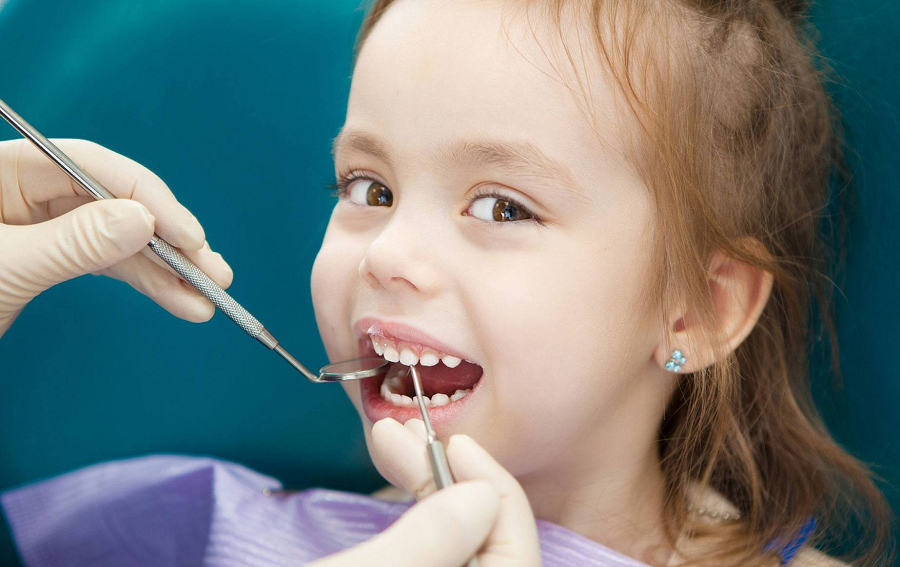
Cavities are areas of teeth that are permanently damaged and are also known as tooth decay. They may appear in a child’s baby or primary teeth; in which case you may brush them off because your youngster will soon lose these teeth. However, you shouldn’t disregard a cavity. 

What leads to childhood cavities? 

Cavities arise from the erosion of tooth enamel by dental plaque accumulation, which results in a hole. Plaque is a sticky material that coats teeth and is created when saliva, food, acid, and oral bacteria come together. Since frequent brushing and flossing can stop plaque from building up, cavities frequently occur in youngsters who do not brush their teeth properly. 

Kids should clean their teeth twice a day for at least two minutes. Some kids, however, only brush once a day. Or even worse, they completely neglect to brush. Up until they are about six years old, children cannot brush properly on their own. Furthermore, some kids either floss their teeth wrongly or not at all. In-between-tooth cavities can also occur from failure to eliminate food particles and plaque. 

Additionally, keep in mind that routine dental exams are part of proper oral hygiene. As infant teeth sprout at about six months of age, make an appointment for your child’s first dental checkup as soon as their first tooth reveals itself. 

Naturally, food also contributes to cavities; poor oral hygiene is not the only cause of them. Therefore, if your child consumes a lot of starchy, sugary foods that are high in carbs (ice cream, cakes, candies, crackers, chips, etc.); they are at a higher risk of developing dental decay. 

If your child has a cavity, how should you proceed? 

It can be challenging to diagnose a cavity in your child because tooth decay does not always hurt. Symptoms of a potential cavity include: 

White spots or dark spots on the teeth 

Fussiness or crying 

Sensitivity to cold beverages or food 

Lip swelling 

Avoiding meals 

Sluggishness 

Schedule a visit with a pediatric dentist if you think your child may have a cavity. Based on the degree of tooth decay, they can make treatment recommendations.

How can cavities in children be avoided? 

Instilling good dental hygiene in your child is the best approach to prevent cavities. It is crucial to keep a tight eye on your child when they wash and floss their teeth. Verify that they are using the right technique and brushing for the prescribed duration of time. 

They ought to floss at least once a day and brush their teeth twice a day. It is more efficient to floss first and then brush. Additionally, remember to book dentist visits every six months who might choose specific products like toothpaste or mouthwash with fluoride (เคลือบฟลูออไรด์, term in Thai). While this ingredient does not heal existing cavities, it creates a protective layer to provide better protection.

Remember to take good care of your infant’s teeth. Your baby’s mouth still harbors bacteria even if they do not have teeth. Therefore, gently brush their teeth twice a day with a pea-sized amount of kid-friendly toothpaste and wipe their gums with a soft towel after each meal. 

The most common health issues affecting dogs today. With so many tasty treats and unhealthy table scraps, it’s easy for dogs to pack on extra pounds. This excess weight puts them at risk for many health problems like arthritis, diabetes, heart disease, and cancer. As a dog owner, you want to keep your best friend happy and healthy. THC, the psychoactive compound in marijuana, CBD is non-intoxicating and has many potential therapeutic uses. When it comes to canine weight management, CBD shows promise in regulating appetite, managing pain, reducing anxiety, and boosting metabolism.

Appetite regulation

The major challenges with canine weight loss are portion control and appetite regulation. It’s hard to restrict food for dogs when they give you those pleading eyes or follow you around begging. But being overweight is unhealthy for them. This is where CBD may help.  Research shows CBD interacts with appetite-regulating hormones and neurotransmitters in the endocannabinoid system (ECS). The ECS plays a role in hunger, satiety, and digestion. Early studies in rats found lower food intake and less weight gain when given CBD. 

This data suggests best cbd oil for dogs may help suppress appetite and control overeating behaviors in dogs. Giving CBD oil before meals may help your dog feel more full and satisfied with smaller portions. Consult with your veterinarian on safe and appropriate CBD dosing for your pet. Start with low doses and monitor your dog’s appetite and weight. Adjust the dosage as needed.

Pain management

The excess weight causes inflammation that deteriorates cartilage and bone. Dogs are less active and mobile when dealing with chronic pain. And getting adequate exercise is key for successful weight loss and maintaining an ideal body condition. CBD has natural pain-relieving and anti-inflammatory properties in overweight dogs. 

It works by interacting with the ECS receptors in the brain and immune system involved with pain processing. Multiple studies show CBD reduces pain and improves mobility in dogs with osteoarthritis. Give your dog CBD oil to get up and move more comfortably. When they exercise sufficiently again, the pounds will start to come off. CBD is much safer than prescription pain medications and won’t cause gastrointestinal, liver, or kidney damage with long-term use. Talk to your vet about using CBD to manage your dog’s arthritis pain and increase activity levels.

CBD dosage for dogs

Dosage is key when using CBD oil. Factors like your dog’s weight, health issues, and individual body chemistry affect how much CBD is appropriate. Too low of a dose may not provide results too high of a dose cause side effects like drowsiness.  Most CBD oils have a dosing chart with general guidelines based on your dog’s weight. But it doesn’t factor in your dog’s sensitivity and metabolism. That’s why it’s best to start with the lowest suggested amount and gradually increase every few days watching for results or side effects. 

Tracking progress and any reactions you dial in the optimal dosage. Monitoring your dog’s appetite, pain levels, anxiety, and weight weekly if adjustments should be made vet to find the safest, most effective CBD regimen for your dog.