

Archive

October 2023

Browsing

When dealing with lower back pain, it becomes crucial to identify the most comfortable and healthy sleeping positions since the way one sleeps directly affects the well-being and functioning of the spine. Different sleep positions have varying impacts on one’s spine and can either alleviate or worsen back pain. Let’s dive into the best sleeping positions for people suffering from lower back pain and how they can potentially improve their quality of life.

1. Sleeping on the Back with a Pillow Under the Knees

Sleeping on your back is considered to be the best position for spinal health. Placing a pillow under the knees provides additional support to the natural curve of the spine, distributing body weight evenly and maintaining spinal alignment. By minimizing strain on the lower back, this position has proven effective in reducing pain and discomfort for those suffering from back pain. If you experience persistent pain, consult a qualified healthcare professional for back pain in Omaha who can provide customized advice tailored to your needs.

2. Sleeping in a Fetal Position

Sleeping on the side with the knees tucked in towards the chest, also known as the fetal position, can be beneficial for individuals experiencing lower back pain. This sleeping position is beneficial in cases of lower back pain induced by herniated discs and issues related to spinal stenosis. By curling up with knees bent in a fetal position, the spaces between the vertebrae widen, thus reducing the pressure exerted on the spine.

3. Sleeping on the Side with a Pillow Between the Knees

For those who prefer sleeping on their side, it’s important to maintain proper alignment of the neck, shoulders, and spine. Placing a pillow between the knees can achieve this alignment and provide support to both the upper leg and the spine. This helps in preventing unnecessary strain on the lower back while ensuring a more comfortable night’s sleep.

4. Reclined Sleeping Position

Reclined sleeping positions, either with the help of a bed that’s adjustable or on a recliner, can also help those with lower back pain. By angling the upper body, the pressure on the lower back is relieved, reducing pain and discomfort associated with conditions like degenerative disc disease and spinal stenosis.

Knowing the difference between lower back pain and sciatica is crucial when looking for the right strategy to manage pain. To better understand the underlying causes and determine the most appropriate sleeping position for your specific needs, consider consulting with professionals specializing in lower back pain and sciatica.

To Conclude

Incorporating these sleeping positions into your bedtime routine can improve your spinal health and reduce lower back pain. Besides, it is equally essential to maintain a healthy lifestyle, including regular exercise and proper body mechanics at work and home. The common forms of back pain can be managed and treated with the right habits, sleeping positions, and professional guidance, ensuring a better quality of life for those affected. By understanding the impact of sleeping positions on lower back pain and incorporating them into a healthy lifestyle, one can prevent exacerbating their condition and effectively manage their pain.
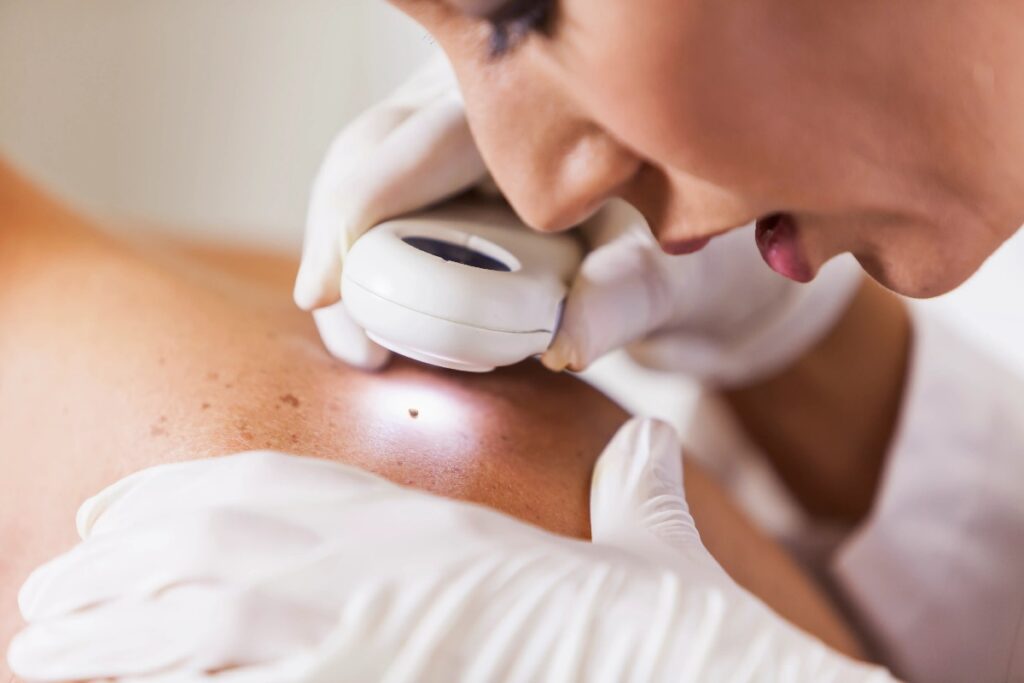
Skin tag is a small, benign growth of skin that often appears on various parts of the body. These soft, flesh-colored, or slightly darker outgrowths are typically painless but can be cosmetically bothersome or prone to irritation. While skin tags are generally harmless, many individuals opt for their removal for aesthetic reasons or to prevent discomfort.

Kemunto Mokaya says skin tag is more common among older adults and obese, diabetic people. Do check out: Skin care clinic in Bangalore

As these growths can be bothersome, here are some home remedies, over-the-counter products, and surgical options to remove skin tags.

Home remedies

Skin tags usually do not require to be treated by a doctor, as they can be treated at home. The treatments include drying out of the skin tag until it reduces in size and disappears.

Since these are natural therapies, they could take longer than surgical methods to show effects.

Tea Tree Oil

Tea tree oil is known for its antiseptic and antifungal properties. Dilute a few drops of tea tree oil with a carrier oil and apply the mixture to the skin tag using a cotton ball. Repeat this process several times a day. After few days, the skin tag may shrink and fall off.

Banana Peel

Cut a piece of banana peel and place it over the skin tag. Secure it in place with a bandage or tape. Let the product stay the whole night, and repeat this process for a few days. The enzymes in the banana peel may help soften the skin tag and encourage it to come off.

Apple Cider Vinegar

Soak a cotton bud in apple cider vinegar and apply it on the skin tag. Use a bandage to hold it in place, leaving it overnight. The acidity of the vinegar may cause the skin tag to fall off. Be consistent with this method for a few weeks.

Vitamin E

Open a vitamin E capsule and apply it on the skin tag. Gently massage it into the area and cover it with a bandage. Repeat the process until the skin tag disappears. Vitamin E oil helps moisturize the skin and may aid in removing skin tags.

Garlic

Crush a garlic clove into a paste and apply it on the skin tag, concealed with a bandage. Leave it on overnight and wash it in the morning. Garlic contains natural enzymes that may help break down the skin tag tissue. Repeat this process until it falls off.

Over-The-Counter Remedies

Several OTC items from supermarkets and pharmacies may effectively remove a skin tag in addition to home methods.

It is best to opt for an OTC skin tag removal kit that will attain the lowest temperature when used correctly. Cryotherapy and removal creams can irritate the skin and lead to contact dermatitis, but they can still be effective in the short term.

Apply antibiotic cream and a bandage after the procedure to prevent infections. If the region bleeds or gets painful, consult a doctor.

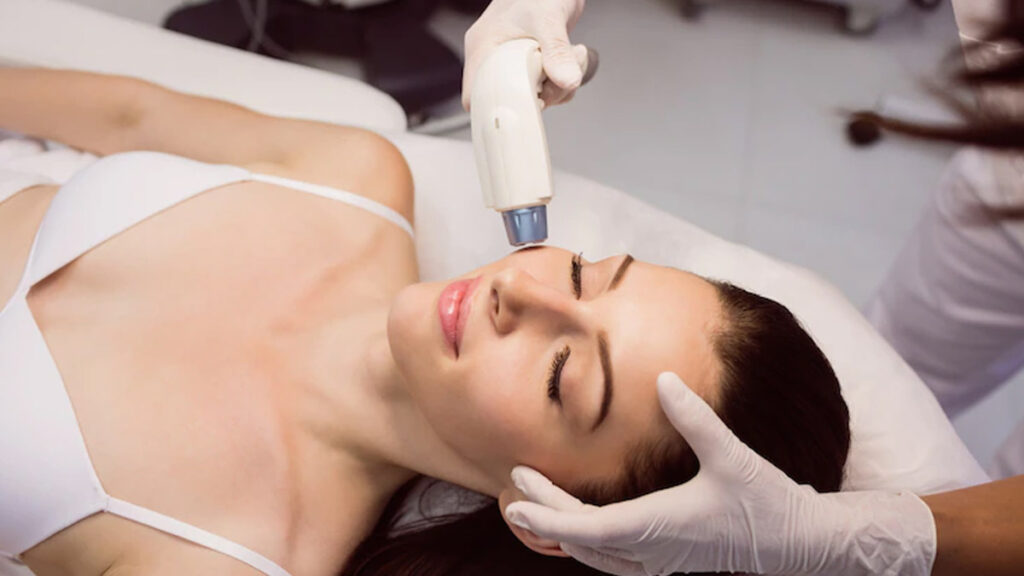
If you’re considering laser hair removal, you may wonder when the optimal time is to embark on treatments for smooth, stubble-free skin. While it’s a highly individual decision, some ideal windows for beginning the process exist. Many choose to start laser hair removal in their 20s or 30s as unwanted hair growth becomes more noticeable. Hormone changes in adulthood often cause darker, coarser hair to appear on the upper lip, chin, bikini line, and other areas. Catching this excess growth early keeps you stubble-free as you age. Treatments are also easiest on younger skin.

Before swimsuit season

Dreaming of fur-free skin for swimsuit season? Begin treatments in the winter, at least 2-3 months pre-beach weather. Multiple sessions spaced 3-6 weeks apart allow time to achieve the best results by summer. Just be sure to avoid tanning, which interferes with lasers. Having a hair-free bikini line and underarms in time for poolside fun is a great motivator. You may not be concerned about body hair until a big growth spurt occurs. The first signs of a dark, thick mustache, sudden nipple hair, or fast-spreading butt fur make the laser more appealing. Get ahead of rampant growth by starting treatments as soon as rapid changes happen. Removing existing hairs prevents proliferation.

Before a big event

Are you getting married or attending a major reunion soon? Use the months before to take care of embarrassing hair growth through laser removal. With time, you’ll be stubble-free and photo-ready. Being hairless for a special occasion is a common catalyst for beginning treatments. Just allow time for multiple sessions. A dermatologist may recommend Depilazione Laser Treviso for excessive growth called hirsutism. Abnormal hair patterns stem from polycystic ovary syndrome or other hormonal disorders. If traditional methods don’t adequately control bothersome hair, your doctor may refer you to try a laser for long-term reduction.

After an ineffective treatment

If you’ve tried other hair removal methods without success, the laser may be the solution. Waxing, threading, plucking, bleaching, or depilatory creams often don’t permanently eliminate thick, dark growth. Give laser a chance if you’re still constantly battling regrowth after temporary methods fail. Laser hair removal used to be exclusively for the wealthy. Now many clinics offer payment plans, discounted treatment packages, and specials to make it more accessible. If laser finally fits your budget, take advantage. Just be sure the clinic doesn’t cut corners or rush sessions despite lower costs.

Before starting a new job

Interviewing for a big career opportunity? Underarm stubble and neck fuzz detract from your most polished, confident self. Begin laser treatments with enough time to complete the process before starting a new job. If you’re simply tired of constant ingrown hairs or embarrassing hairline spots, let that drive your timeline. Shaving and waxing will always exist. Only begin laser when you’re fully ready to take the step. With vigilance and multiple treatments, laser hair removal frees you from irritating hair growth for years. Decide what factors matter most, then start your journey when the timing is right. Soon you’ll be enjoying soft, smooth skin.